The short answer
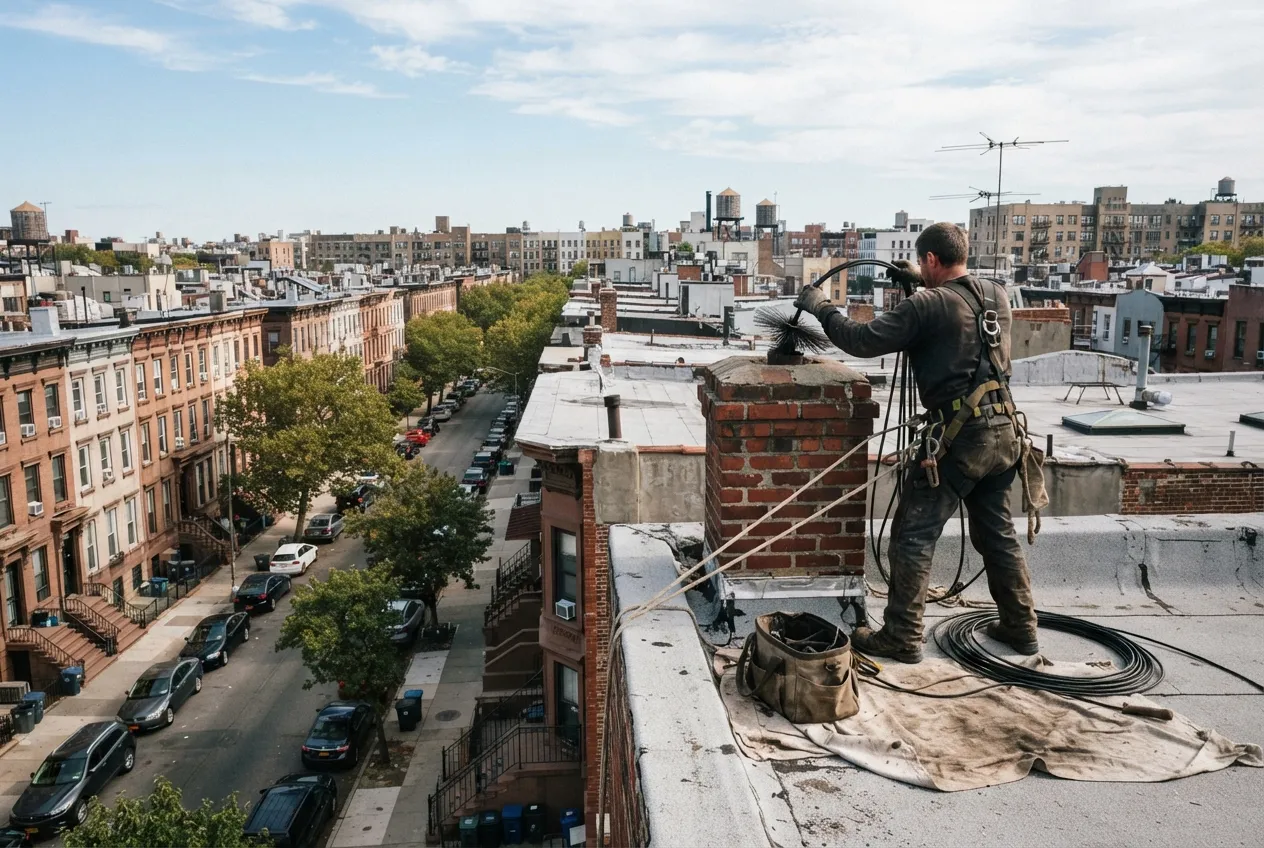
Yes, RoyalFlue serves Long Island City, Queens, including ZIP codes 11101 and 11109, from our office about a mile away in Greenpoint, Brooklyn. Our certified technicians sweep, inspect, repair and reline chimneys and clean dryer vents and air ducts in LIC rowhouses, pre-war apartment buildings and newer homes.
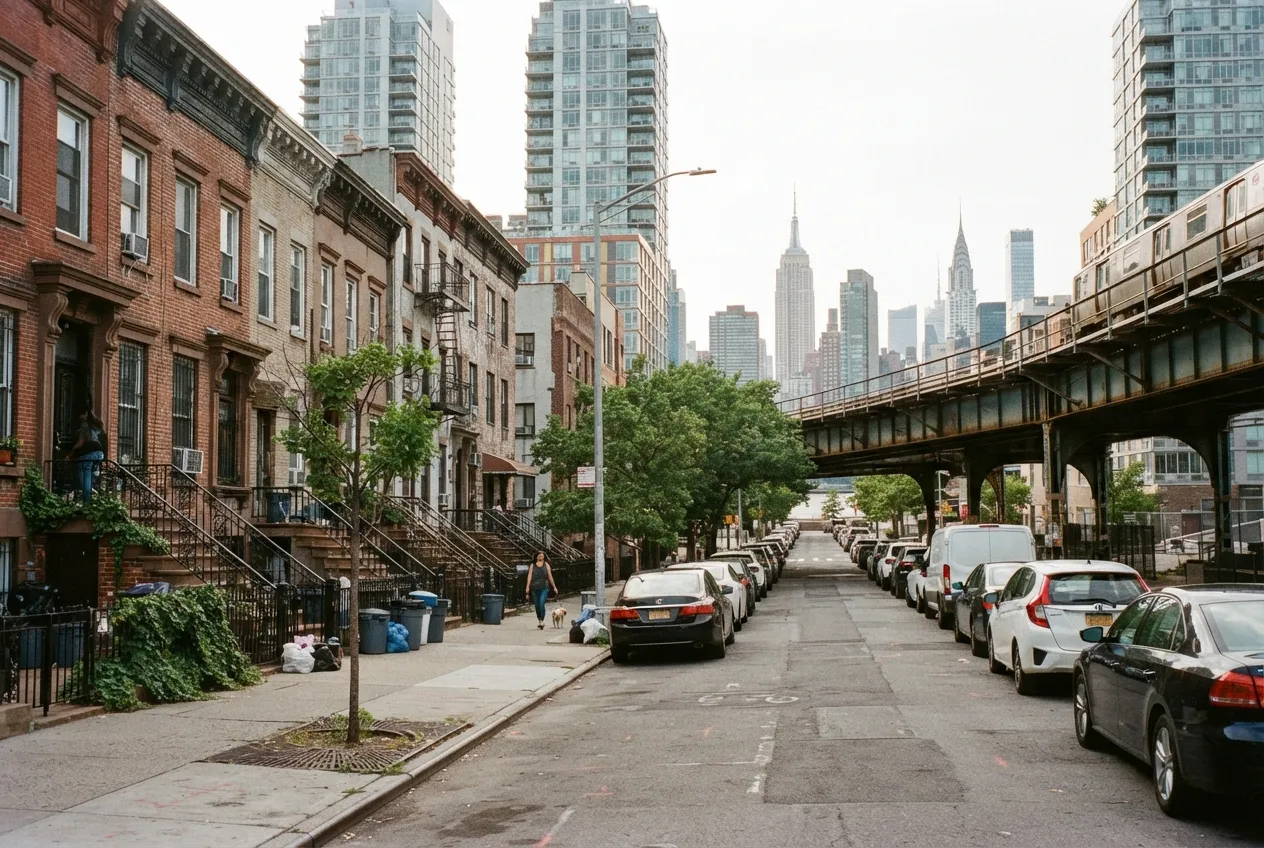
RoyalFlue Chimney Services cleans, inspects and repairs chimneys, fireplaces, dryer vents and air ducts in Long Island City, Queens. Our office in Greenpoint, Brooklyn, is about a mile south, so LIC is close to home for our crews. We work throughout ZIP codes 11101 and 11109 and in nearby neighborhoods, including Hunters Point and Sunnyside. You may own a rowhouse with an old masonry flue or manage a pre-war apartment building with a boiler chimney. Either way, our certified technicians will tell you what condition your system is in and what, if anything, it needs.
Chimneys and Vents in Long Island City Buildings
Long Island City has a mix of housing: older brick rowhouses, pre-war apartment buildings and newer multi-unit buildings. Each has different venting needs. In a rowhouse, a masonry chimney may serve a fireplace, a boiler or water heater, or a flue that hasn't been used in years. In an older apartment building, the chimney usually carries exhaust from a central boiler.
Many older buildings in New York City have switched from oil heat to gas. When a New York City building converts its boiler from oil to gas, the chimney has to be evaluated as part of the work. A new liner is often needed because gas exhaust produces acidic condensate that can corrode a masonry flue from the inside. If your building is planning a conversion, or finished one without a liner check, we can inspect the flue. If it needs a liner, we can install one sized for the appliance.
How the Local Climate Wears on a Chimney
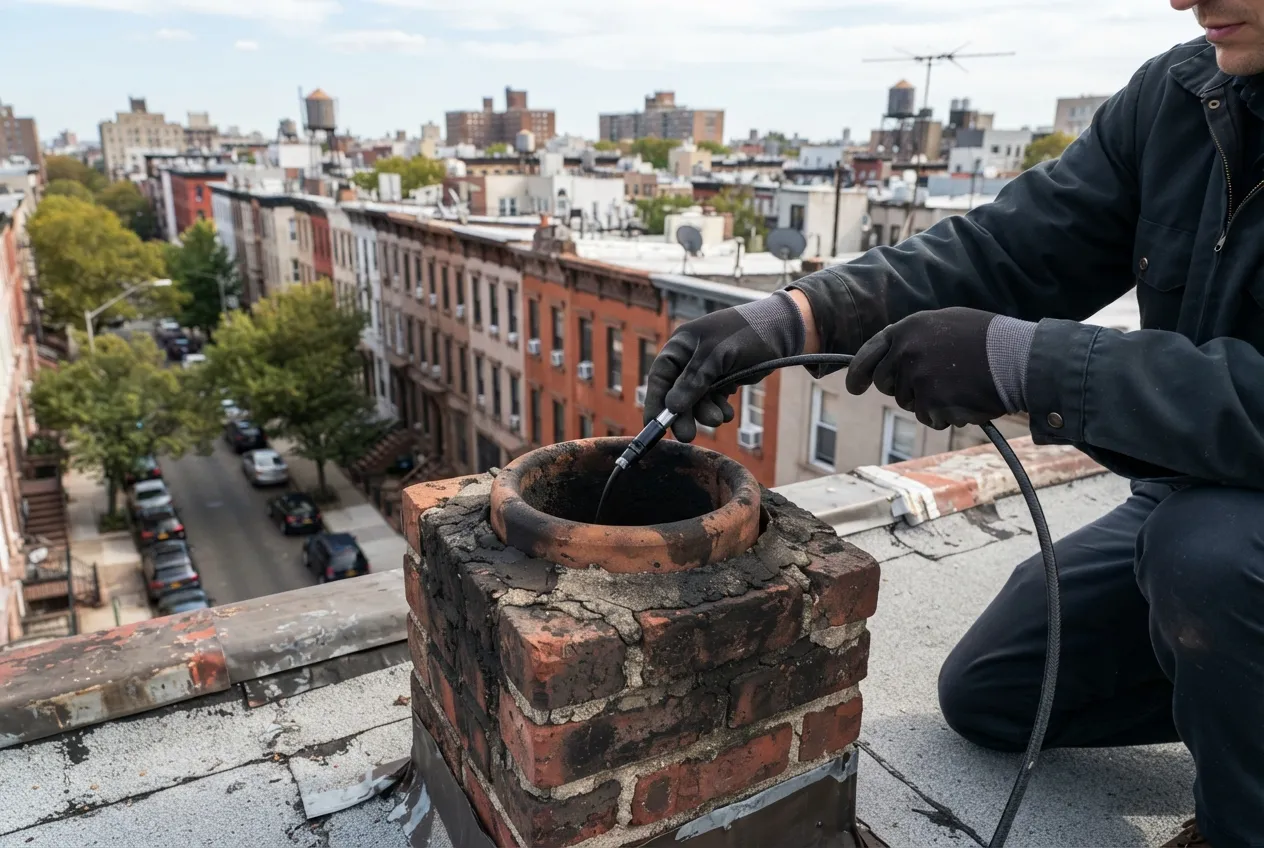
Queens winters bring repeated freezing and thawing, and coastal storms drive rain sideways into brick. Water that soaks into mortar joints expands when it freezes. Over a few seasons, that cracks crowns, loosens bricks and lets moisture reach the flue and the walls around it. Humid summers can also make a damp chimney smell, especially when the fireplace is closed up.
Most chimney damage starts with water. A sound cap and chase cover, a crown without cracks, and a breathable waterproofing treatment on the brick keep most of it out. Call us if you notice any of these signs:
- White staining or flaking on the outside brick
- Rust on the damper, firebox or chase cover
- Water stains on ceilings or walls near the chimney
- Pieces of brick or mortar falling into the fireplace
- A musty smell from the fireplace in warm, humid weather
Services We Offer in Long Island City
We handle the full range of chimney and vent work in 11101 and 11109:
- Chimney sweep: removing creosote and soot from fireplace and appliance flues
- Chimney inspection: Level 1, 2 and 3 inspections explained in plain terms
- Chimney repair and rebuilding: repointing, crown repair, and rebuilding chimneys too damaged to patch
- Chimney liner installation: for gas conversions and cracked or damaged flues
- Chimney cap and chase cover: keeping out rain, birds and animals
- Chimney waterproofing for brick and masonry
- Fireplace and damper repair
- Dryer vent cleaning and air duct cleaning
Time for your annual chimney check?
Inspections and Heat Season Timing
The NFPA 211 standard calls for chimneys, fireplaces and vents to be inspected once a year. A Level 1 inspection fits when nothing has changed. A Level 2 inspection is the right choice when you add a new appliance, switch fuels, or buy or sell a home. A Level 3 inspection is used when a hidden hazard can only be reached by opening part of the chimney or building.
Timing matters in New York City. Heat season runs from October 1 through May 31. During that time, building owners must keep apartments heated to the city's minimum temperatures. A boiler flue problem is harder to fix in January than in August. Book inspections and repairs in late spring or summer so the work is finished before the heat comes on.
Dryer Vents and Air Ducts
In many LIC apartments and newer buildings, the dryer vent needs more attention than any chimney. According to the U.S. Fire Administration, failure to clean is the leading factor contributing to clothes dryer fires in homes. Long vent runs through walls and ceilings collect lint quickly. If clothes take longer to dry or the laundry area runs hot, the vent likely needs cleaning.
For air ducts, we follow the EPA's guidance. Cleaning makes sense when there is substantial visible mold, signs of vermin, or excessive dust and debris. The EPA also notes that duct cleaning has not been shown to prevent health problems, so we won't claim it will. We look first and tell you honestly whether cleaning is worth doing, and we are careful about chemical treatments.
ZIP codes we serve
- 11101
- 11109
Services in Long Island City
- Chimney Sweep in Long Island CityLocal service & repairs
- Chimney Inspection in Long Island CityLocal service & repairs
- Chimney Repair in Long Island CityLocal service & repairs
- Air Duct Cleaning in Long Island CityLocal service & repairs
- Chimney Liner Installation in Long Island CityLocal service & repairs