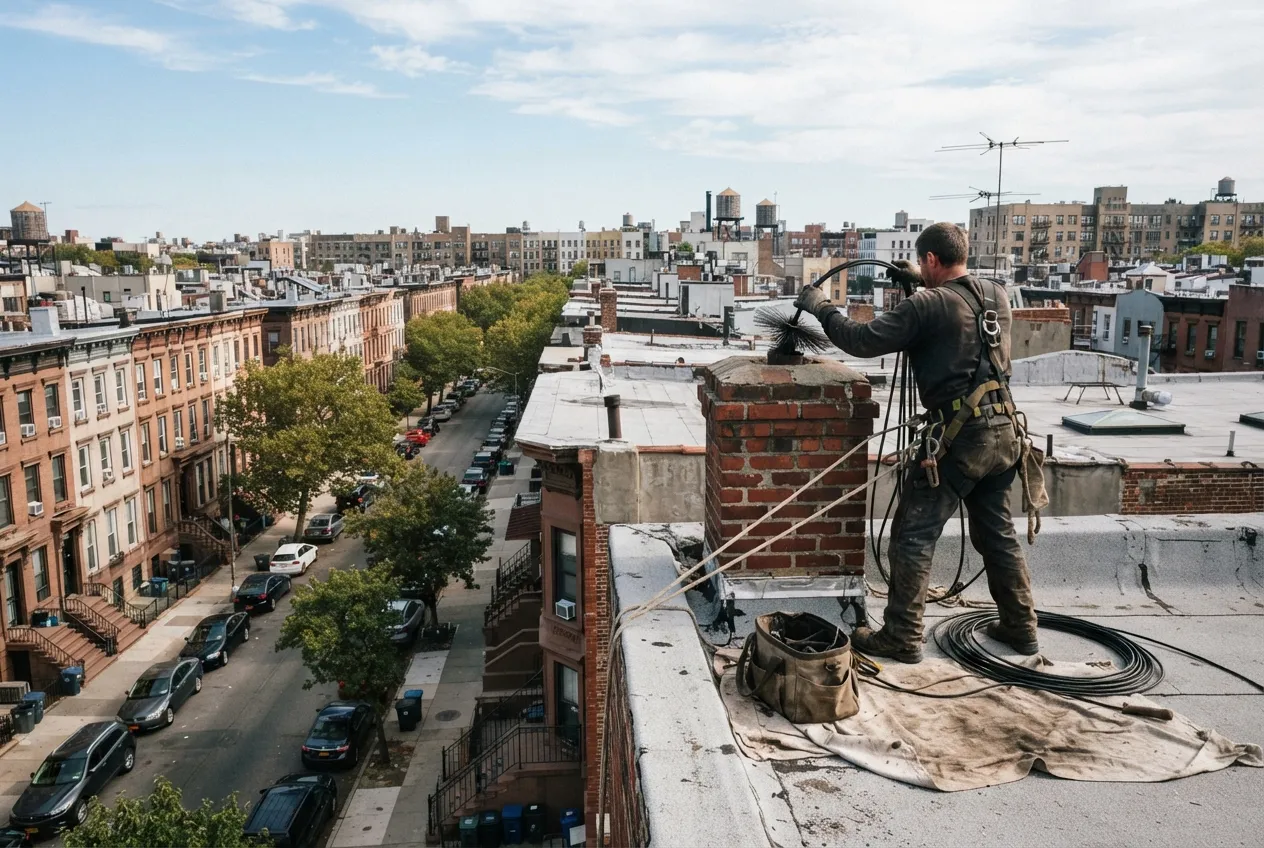
The short answer
Long Island City chimneys often need a new liner when the original clay tiles crack, when a boiler converts from oil to gas, or when a new appliance doesn't match the old flue size. Our certified technicians inspect the flue, recommend the right liner, and install it so exhaust leaves your home safely.
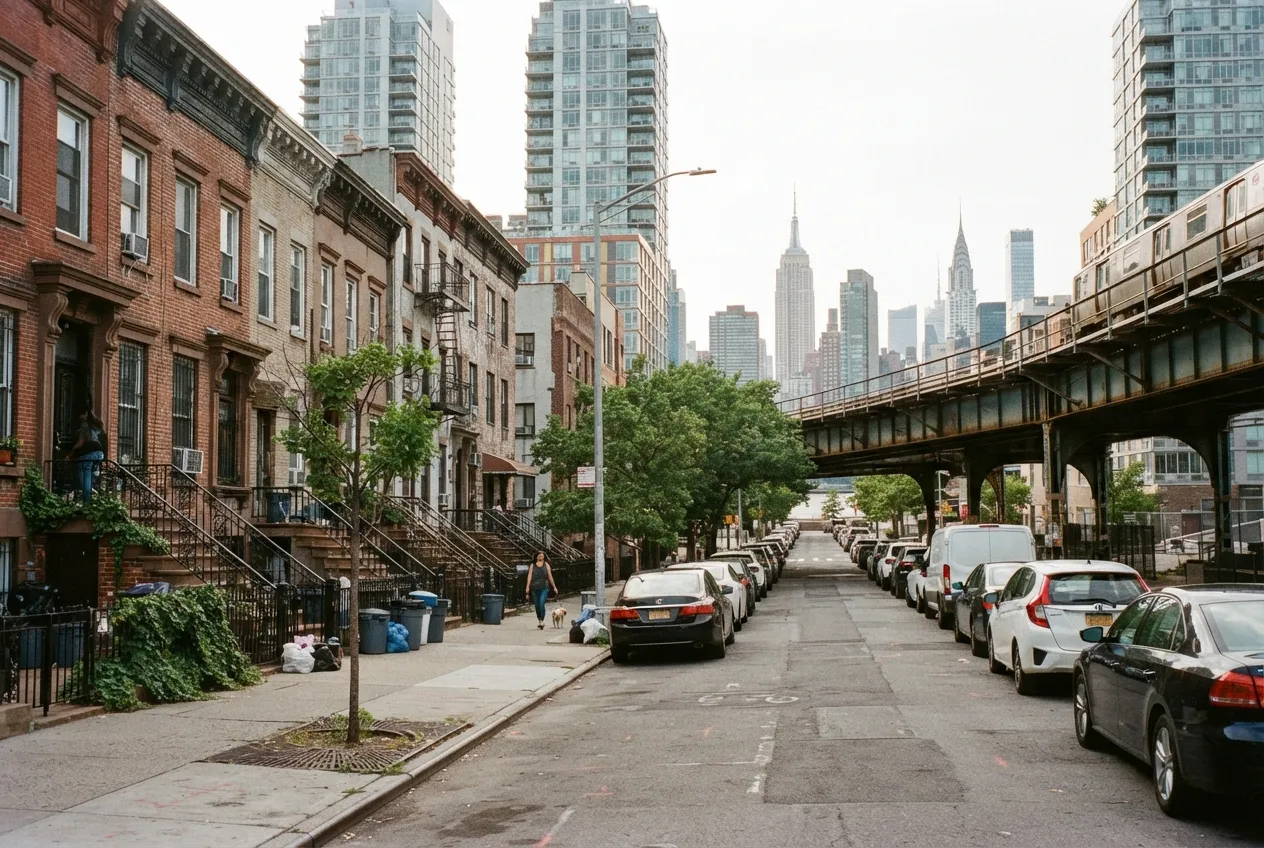
A chimney liner is the channel inside your chimney that carries smoke and exhaust gases up and out of your home. When old clay tiles crack, mortar joints wear away, or a new boiler or water heater needs a properly sized flue, the liner has to be repaired or replaced. RoyalFlue Chimney Services installs chimney liners for homes and buildings across Long Island City, in ZIP codes 11101 and 11109. Our office is in Greenpoint, about a mile south, so your building is a short trip from our base.
When a Long Island City Chimney Needs a New Liner
Long Island City has a wide mix of housing: older rowhouses and attached homes, pre-war apartment buildings, converted industrial spaces, and newer construction. Many of the older chimneys were built with clay tile liners, and some have little or no liner at all. Over decades, heat, moisture and normal settling can crack those tiles or open gaps between them. A damaged liner can let heat reach nearby wood framing and let exhaust gases, including carbon monoxide, seep into living space instead of rising out of the chimney.
These are the most common signs we see that a liner needs attention:
- Cracked, shifted or missing flue tiles found during an inspection
- A boiler being converted from oil to gas
- A new furnace, boiler or water heater whose exhaust doesn't match the existing flue size
- Damage after a chimney fire
- Pieces of tile or crumbling mortar collecting at the base of the chimney
- Water stains or damp spots on walls or ceilings near the chimney
Oil-to-Gas Conversions and Your Flue
Many older buildings in Long Island City heat with boilers, and a lot of owners are switching from oil to gas. When a New York City building converts its boiler from oil to gas, the chimney has to be evaluated as part of the work. A new liner is often needed because gas exhaust produces acidic condensate that can corrode a masonry flue over time.
A change of fuel is also one of the situations where chimney professionals perform a Level 2 inspection, which looks more closely at the flue than a routine check. We can inspect the chimney early in your conversion project so the liner work fits into the schedule with your boiler contractor instead of holding it up.
How We Install a Chimney Liner
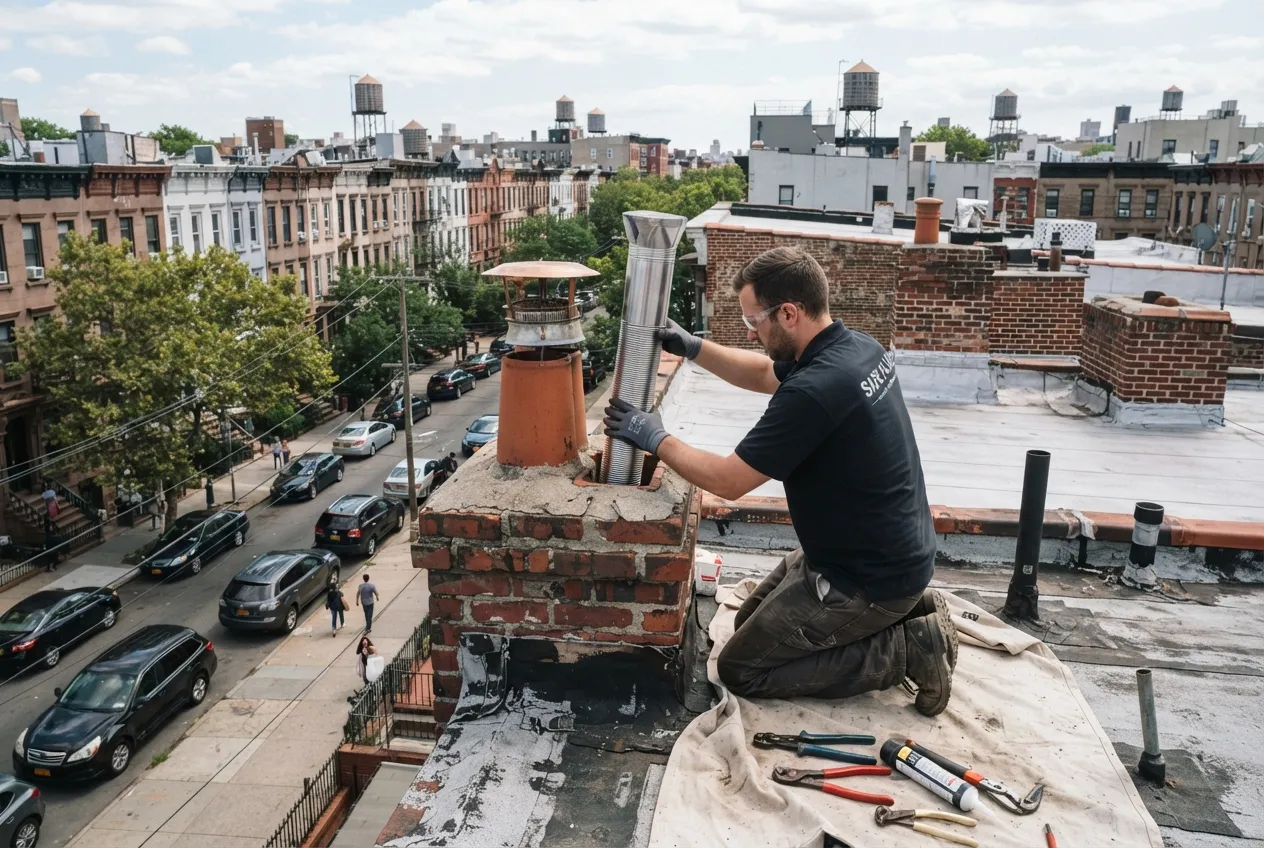
Every chimney is a little different, so we start by inspecting the flue, often with a camera, to see its condition, shape and size. We then measure the flue and match the liner to the appliance that will vent through it. A liner that is too large or too small can cause poor draft, more condensation and exhaust problems.
Before installation, we clean the flue and clear out loose debris. Once the liner is in place, we connect it to the appliance, seal the top, and check that the system drafts properly. Depending on the chimney and the appliance, we may recommend one of these options:
- Stainless steel liners, flexible or rigid, used often for gas and oil appliances and for wood-burning fireplaces
- Cast-in-place liners, which form a new smooth surface inside an older or irregular masonry flue
- Clay tile replacement, in situations where it suits the chimney and the building
Time for your annual chimney check?
Planning Around Heat Season
New York City's heat season runs from October 1 through May 31. During those months, building owners must keep apartments heated to the city's minimum temperatures. If your boiler vents through the chimney that needs a new liner, the work can mean shutting the heating system down for a period of time.
For apartment buildings and multi-family homes in Long Island City, it usually makes sense to schedule liner work in late spring or summer. If a problem turns up in the middle of winter, we'll explain what has to happen and help you plan the job to keep the heating system out of service for as little time as possible.
Inspections Before and After the Work
The NFPA 211 standard calls for chimneys, fireplaces and vents to be inspected once a year. A Level 1 inspection fits when nothing about the system has changed. A Level 2 inspection applies when the system changes or the home is sold. A Level 3 inspection is used when a hidden hazard can only be reached by opening part of the chimney or building.
After your new liner is installed, yearly inspections help confirm it stays in good shape. We also serve nearby Hunters Point, Sunnyside, Greenpoint, Murray Hill and Kips Bay.
More services in Long Island City
- Chimney Sweep in Long Island CityLocal service & repairs
- Chimney Inspection in Long Island CityLocal service & repairs
- Chimney Repair in Long Island CityLocal service & repairs
- Air Duct Cleaning in Long Island CityLocal service & repairs