The short answer
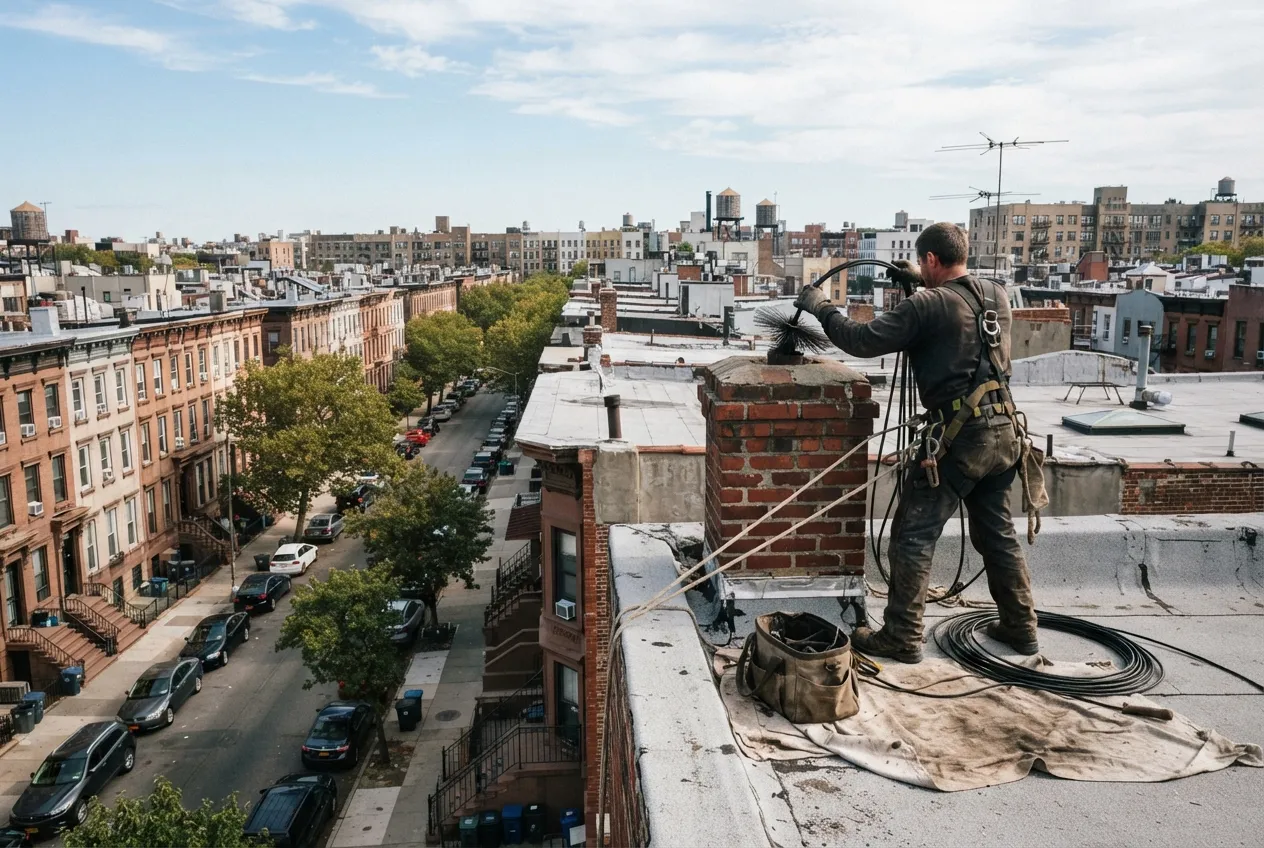
Under the NFPA 211 standard, chimneys, fireplaces and vents should be inspected once a year, and Long Island City homes are no exception. We inspect chimneys throughout ZIP codes 11101 and 11109 and tell you plainly what we found and what it means.
RoyalFlue Chimney Services inspects chimneys, fireplaces and vents for homes and buildings across Long Island City, in ZIP codes 11101 and 11109. Our office in Greenpoint, Brooklyn is about a mile south, so getting to your home is a short trip. Whether you burn wood in a rowhouse fireplace, vent a gas boiler through an older masonry flue, or just bought a place and want to know what you have, a chimney inspection tells you whether the system is safe to use and what, if anything, needs attention.
Which Inspection Level Your Long Island City Home Needs
The NFPA 211 standard calls for chimneys, fireplaces and vents to be inspected once a year. Chimney professionals use three levels of inspection, and the right one depends on what has happened with your system since it was last looked at.
We will recommend a level based on your situation, not upsell you to a deeper one. If a Level 1 turns up something that points to a hidden problem, we explain why a more involved inspection makes sense before doing anything further.
- Level 1: for a system that has not changed and is used the same way as before. We check the accessible parts of the chimney, firebox, damper and connections.
- Level 2: for when something changes, such as a new boiler, water heater or stove, or a switch from one fuel to another, and when the home is sold. This includes a camera look inside the flue.
- Level 3: for when a hazard is suspected in a place that can only be reached by opening part of the chimney or building.
Chimneys in Long Island City's Mix of Older and Newer Buildings
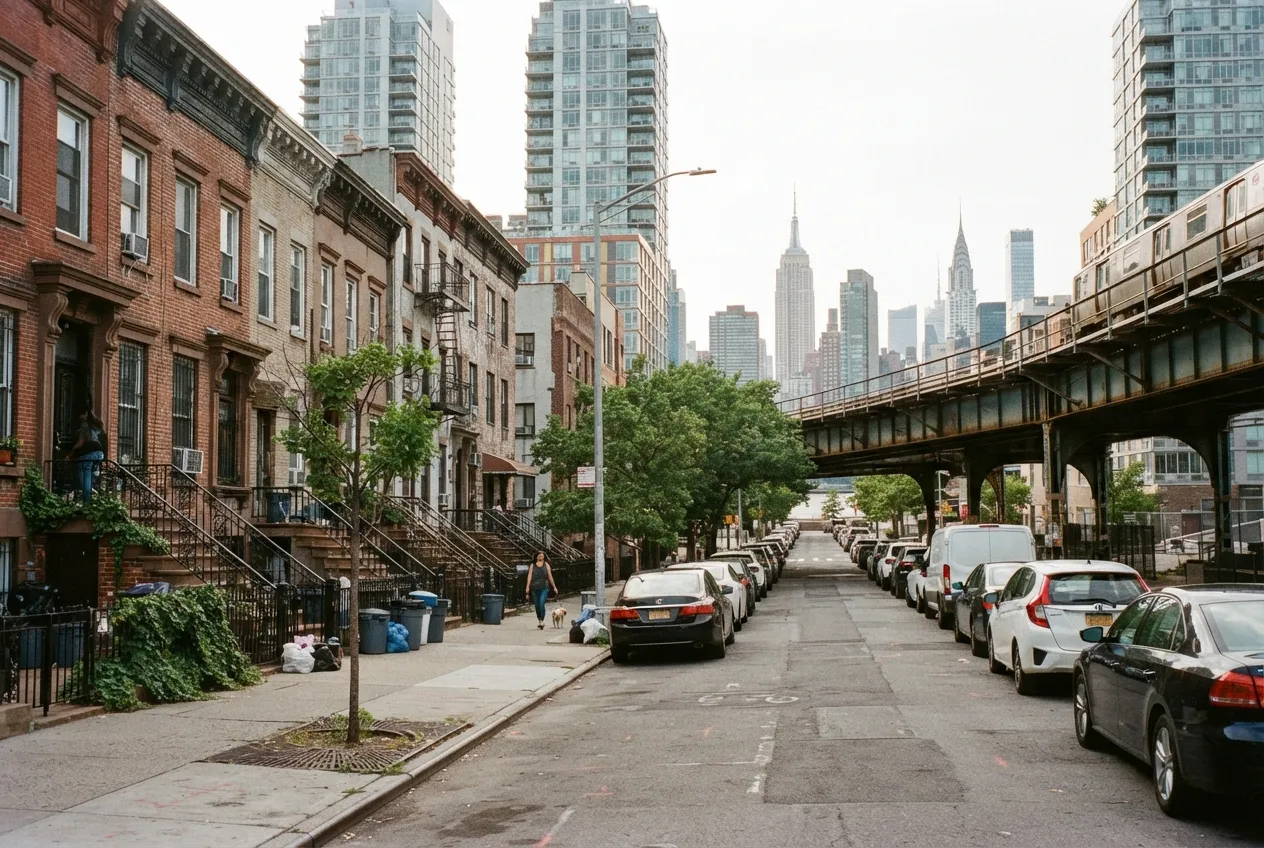
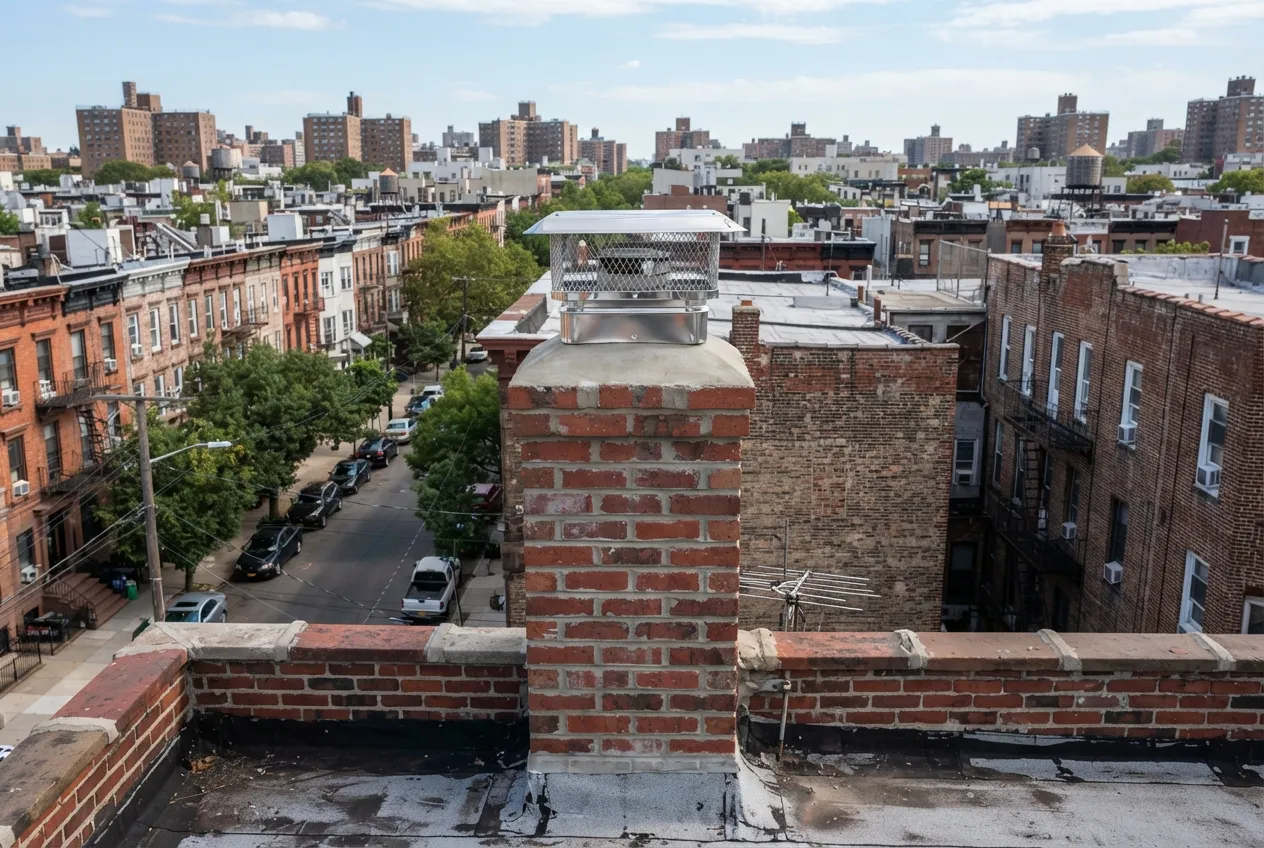
Long Island City has a wide range of housing: brick rowhouses and attached homes, small pre-war apartment buildings, converted older buildings, and newer construction. Each comes with its own kind of chimney. Older brick homes often have masonry flues that have been in service for many decades, some of them unlined or lined with clay tile that can crack over time. Multi-family buildings often run a boiler and water heater into a shared flue, so a problem there affects every unit.
During an inspection we look for the issues these older systems tend to develop: cracked or missing flue tiles, deteriorated mortar joints, loose bricks at the top of the chimney, damaged crowns and caps that let water in, creosote buildup in wood-burning flues, and debris or animal nests blocking airflow. We also check how appliances connect to the chimney, since a poorly fitted connector can leak exhaust into the home.
Converting From Oil to Gas? Have the Chimney Checked
Many older New York City buildings have moved, or are moving, from oil heat to gas. When a building converts its boiler from oil to gas, the chimney has to be evaluated as part of the work. A new liner is often needed, because gas exhaust produces acidic condensate that can corrode a masonry flue that was built for oil.
If you are planning a conversion in Long Island City, a Level 2 inspection gives you and your heating contractor a clear picture of the flue's condition and whether it can safely carry gas exhaust. If a liner is needed, we explain the options and why.
Time for your annual chimney check?
Scheduling Around Heat Season
New York City's heat season runs from October 1 through May 31. During those months, building owners must keep apartments heated to the city's minimum temperatures, which means the boiler and the chimney it vents into need to be working. Finding a blocked or damaged flue in the middle of winter can leave tenants without heat while repairs are made.
For that reason, late spring and summer are a good time to book an inspection in Long Island City. You have time to schedule any repairs before the boiler is needed again, and fireplace owners can have their chimney ready before the first cold night.
What to Expect During Your Inspection
Our certified technicians arrive, protect the area around the fireplace or appliance, and work through the system from the firebox or connection point to the top of the chimney where it can be safely reached. For Level 2 inspections, we run a camera through the flue so we can see joints and surfaces that are hidden from view.
When we finish, we walk you through what we found, show you photos or video where we have them, and give you a written summary. If everything looks good, we tell you so. If repairs or cleaning are needed, we explain what each one addresses so you can decide what to do next.
More services in Long Island City
- Chimney Sweep in Long Island CityLocal service & repairs
- Chimney Repair in Long Island CityLocal service & repairs
- Air Duct Cleaning in Long Island CityLocal service & repairs
- Chimney Liner Installation in Long Island CityLocal service & repairs