The short answer
A Hunters Point chimney usually needs a new liner when the existing flue is cracked or unlined, or when the heating system changes, especially in an oil-to-gas boiler conversion. We inspect the flue first, size a liner to the appliance, and install it from the roof down. Building owners should plan the work before New York City's heat season begins on October 1.
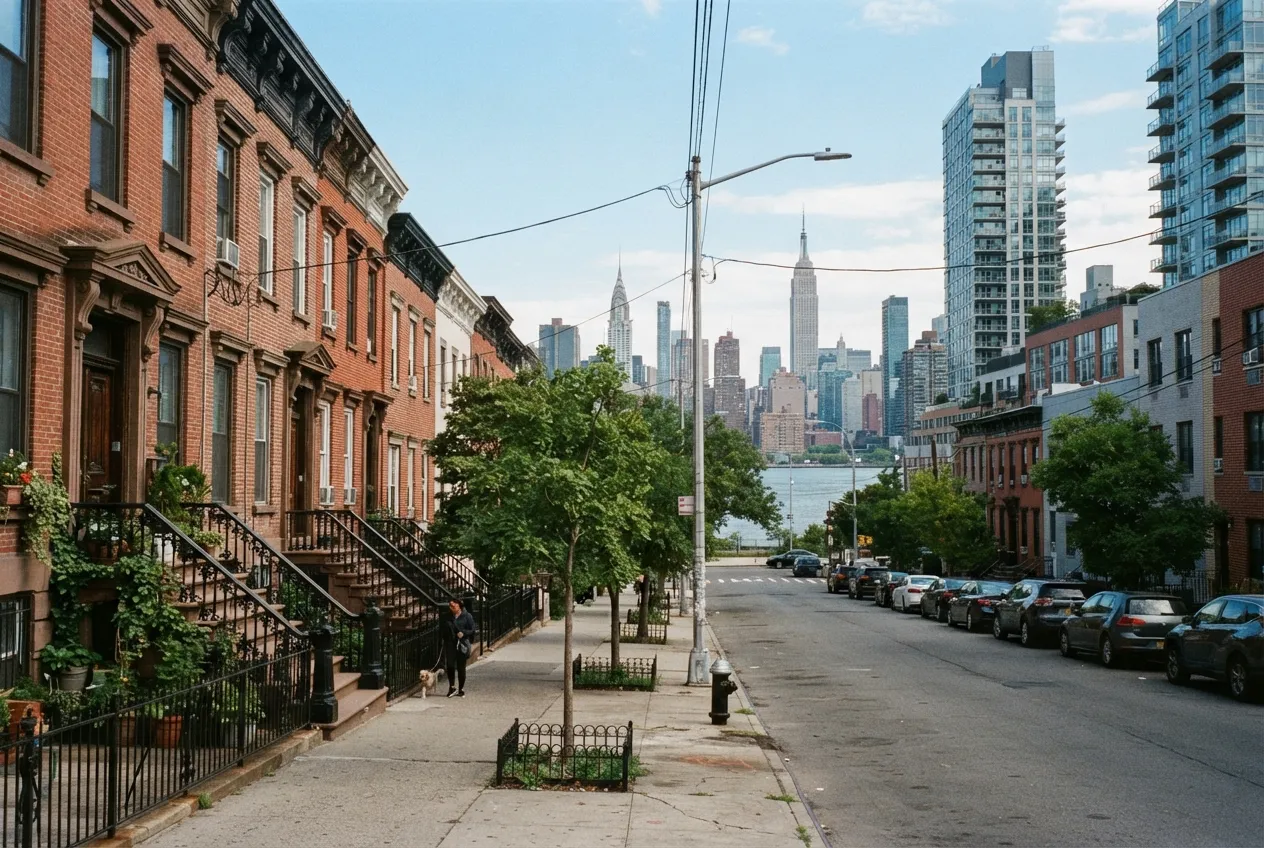
Hunters Point is about a mile north of our Greenpoint, Brooklyn office, so our crews reach homes in ZIP codes 11101 and 11109 quickly. The neighborhood mixes older rowhouses and pre-war apartment buildings with newer construction. Many of the older chimneys were built for coal or oil, not for the appliances they serve today. A properly sized liner keeps exhaust moving up and out, protects the masonry around it, and keeps heat away from the wood framing next to the chimney. This page explains when a liner is needed, what our certified technicians check, and how the installation works.
When a Hunters Point Chimney Needs a New Liner
Most liner jobs we see start with one of a few situations. Some flues never had a liner at all. Others have clay tiles that have cracked, shifted or lost mortar over decades of heating seasons. Many start with a change to the heating system.
- A boiler or furnace converting from oil to gas
- A new water heater, boiler or furnace that vents differently than the old one
- Cracked, missing or offset clay flue tiles found during an inspection
- Crumbling mortar, or stains on interior walls near the chimney
- Plans to reopen a fireplace that has sat unused for years
Oil-to-Gas Conversions and Your Flue
Conversions are one of the most common reasons buildings in this part of Queens need relining. When a New York City building converts its boiler from oil to gas, the chimney has to be evaluated as part of the work. A new liner is often needed because gas exhaust produces acidic condensate that can corrode a masonry flue.
An old flue sized for an oil burner is also often too large for the new gas appliance. That can lead to weak draft and more condensation inside the chimney. We size the liner to the new equipment so it vents as the manufacturer intends. We also coordinate timing with your heating contractor so the chimney work doesn't hold up the conversion.
What We Check Before Recommending a Liner
We start with an inspection, not a sales pitch. The NFPA 211 standard calls for chimneys, fireplaces and vents to be inspected once a year, and chimney professionals use three inspection levels. Level 1 applies when nothing has changed. Level 2 is the right step when the system changes, such as a new appliance or a switch of fuel, or when the home is sold. Level 3 is used when a hidden hazard has to be reached by opening part of the chimney or building.
For liner work, we typically run a camera through the flue, measure its size and height, and confirm every appliance that will vent into it. You'll see the footage or photos and get a plain explanation of what we found and what we recommend.
Time for your annual chimney check?
Liner Options for Rowhouses and Pre-War Buildings
The right material depends on the appliance and the shape of the existing flue. Here are the main options:
- Stainless steel: the most common choice for gas and oil boilers, furnaces and water heaters, and for many wood-burning fireplaces. Flexible stainless works well in older chimneys with bends or offsets.
- Aluminum: used in some gas-only applications where the appliance's venting requirements allow it.
- Cast-in-place: a mortar-like material poured around a form to reline and strengthen a deteriorated masonry flue.
- Insulation: added around the liner where clearances or draft call for it, which helps the flue stay warm and limits condensation.
How Installation Works and When to Schedule
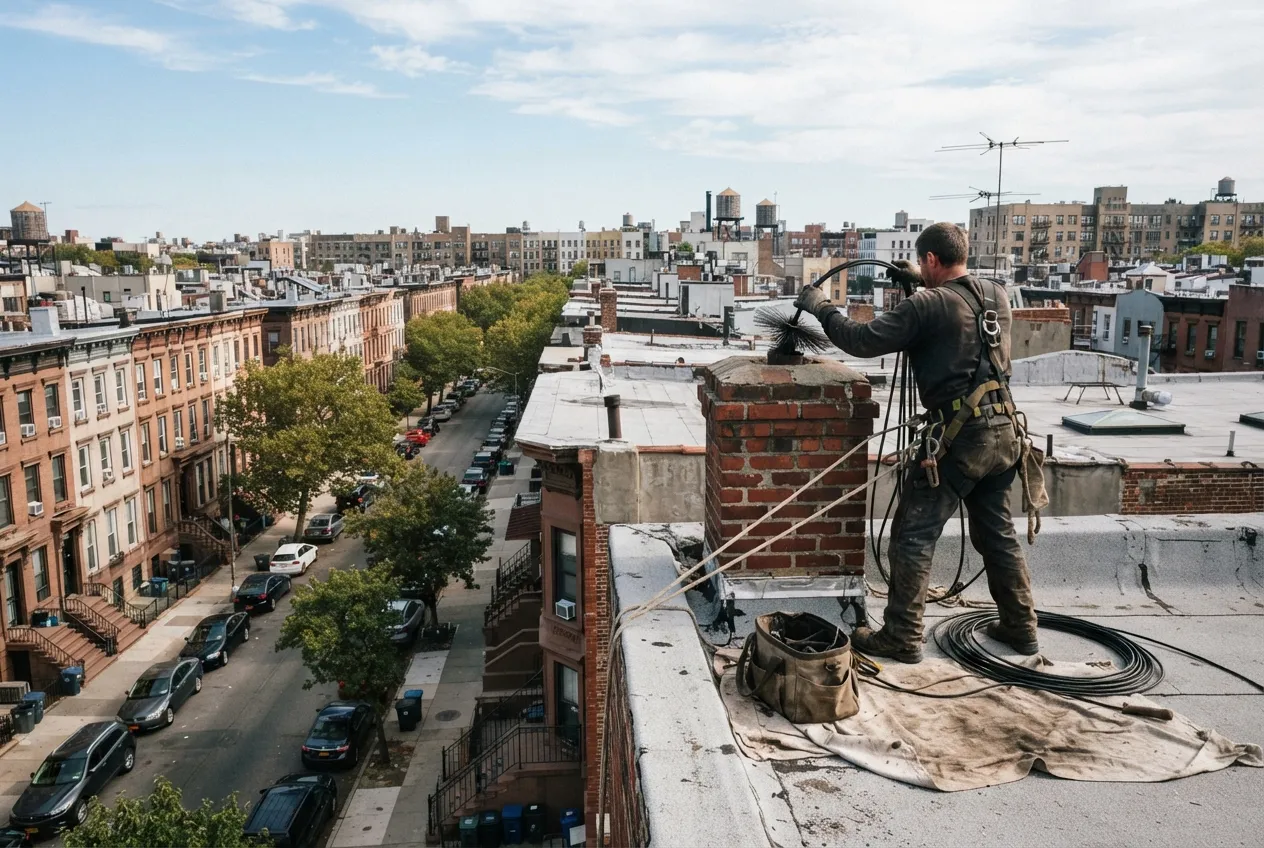
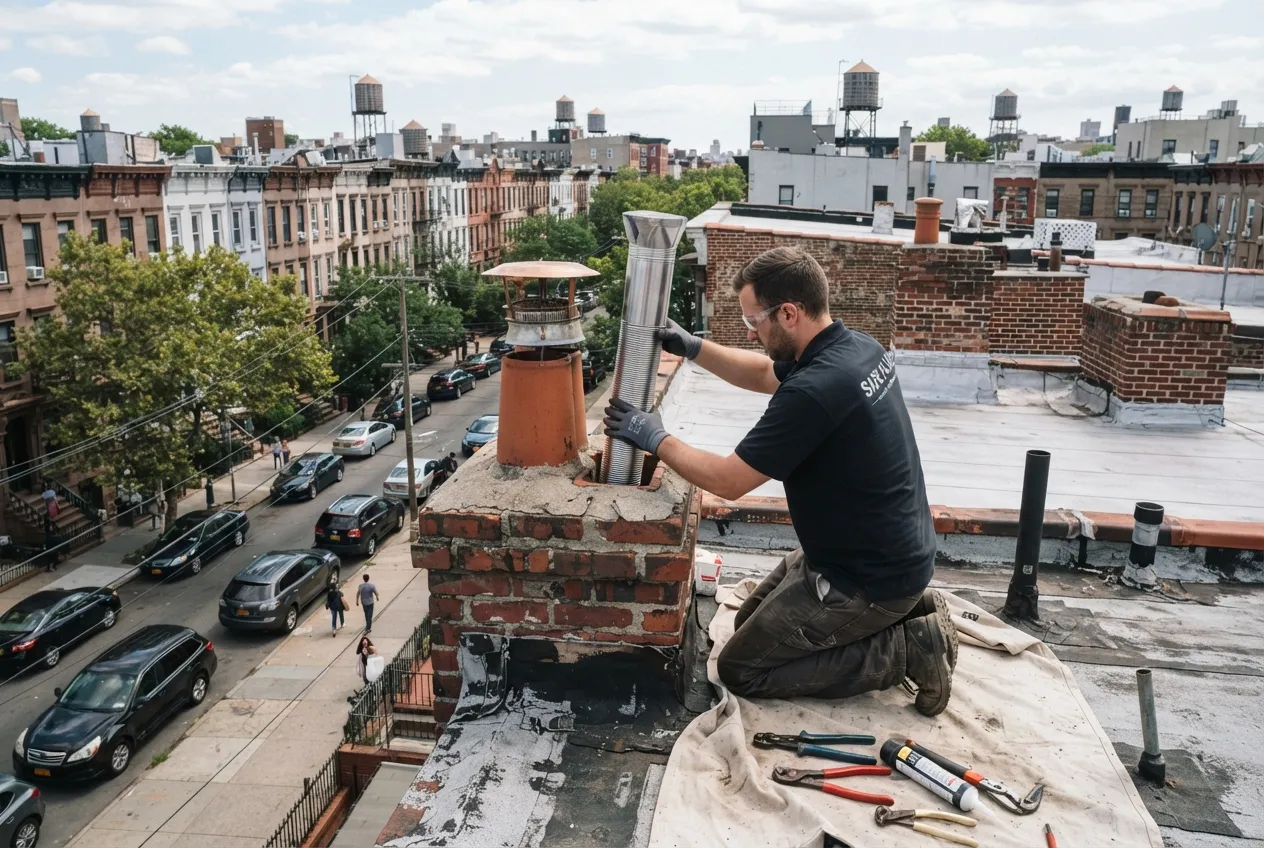
Most installations are done from the roof down. We clean the flue, run and secure the liner, connect it to the appliance at the base, and finish with a cap at the top to keep out rain and animals. Afterward, we check draft and walk you through what was done.
Timing matters in New York City. Heat season runs from October 1 through May 31, and building owners must keep apartments at the city's minimum temperatures during that period. If you own a building with tenants, plan liner work before fall, especially when it's part of a boiler conversion, so heat isn't interrupted. We also serve nearby Long Island City, Sunnyside, Greenpoint, Murray Hill and Kips Bay.
More services in Hunters Point
- Chimney Sweep in Hunters PointLocal service & repairs
- Chimney Inspection in Hunters PointLocal service & repairs
- Chimney Repair in Hunters PointLocal service & repairs
- Air Duct Cleaning in Hunters PointLocal service & repairs