The short answer
Hunters Point homes should have their chimneys inspected once a year, as the NFPA 211 standard calls for, even if the fireplace is never used. RoyalFlue's certified technicians choose the inspection level that fits your situation and explain the results in plain language.
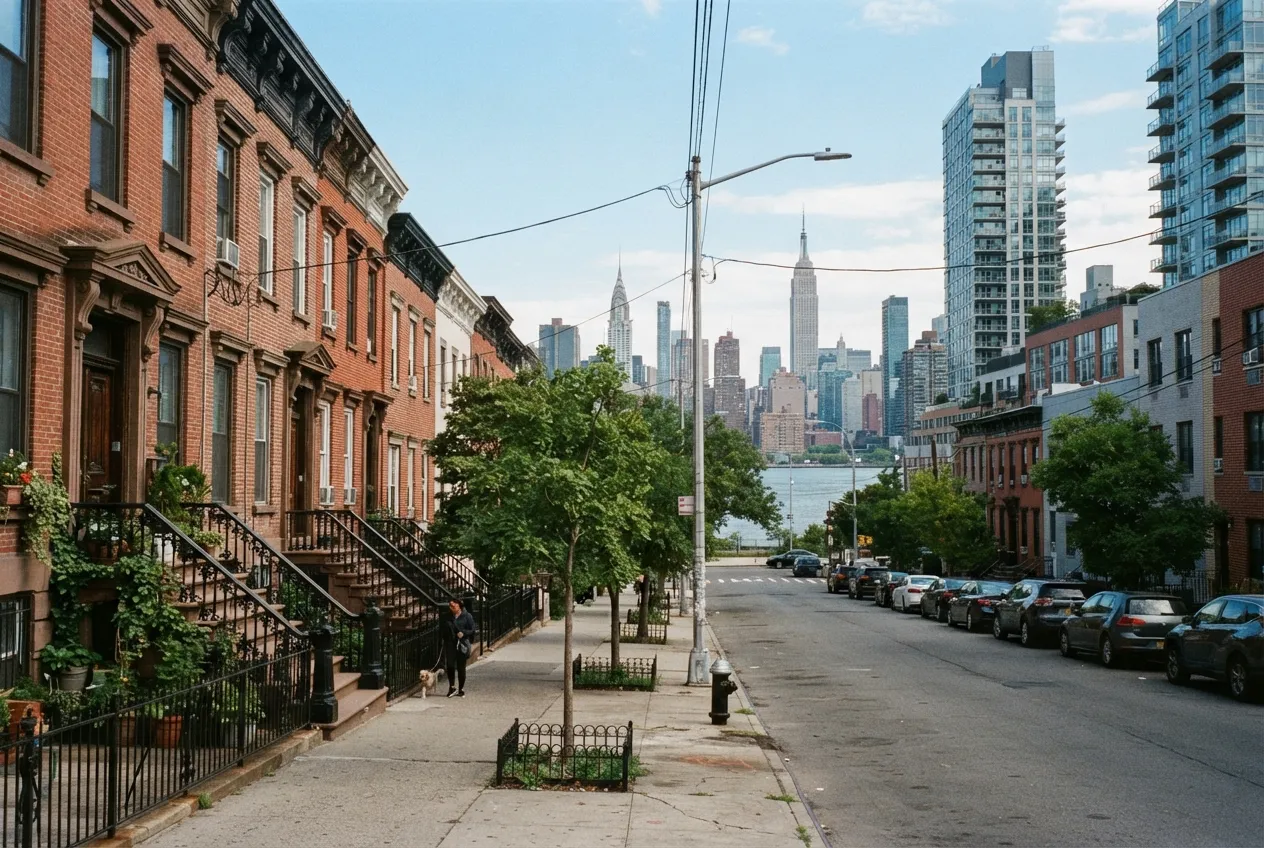
Whether you heat a rowhouse with a gas boiler, light a wood fire on cold nights, or manage a small apartment building, your chimney carries combustion gases safely out of your home. You rarely see that work happening. RoyalFlue Chimney Services inspects chimneys, fireplaces and appliance vents throughout Hunters Point, in ZIP codes 11101 and 11109. Our office in Greenpoint, Brooklyn, is about a mile south, so a visit to your neighborhood is a short trip. We also serve nearby Long Island City, Sunnyside, Murray Hill and Kips Bay.
What the Yearly Inspection Standard Calls For
The NFPA 211 standard calls for chimneys, fireplaces and vents to be inspected once a year. This applies whether you burn wood every weekend or only vent a gas boiler or water heater through the flue. Chimney professionals use three inspection levels. The right one depends on what has happened with your system since it was last checked.
Before we start, we'll tell you which level fits your home and why.
- Level 1: For a chimney with no changes since its last inspection. We check the accessible parts of the chimney and its connections for soundness, blockages and buildup.
- Level 2: For when something changes. Examples include a new boiler or water heater, a switch of fuel, or the sale of the home. This is a more detailed look at the flue and connected areas.
- Level 3: For when a suspected hidden hazard can only be reached by opening part of the chimney or the building.
Chimneys in Hunters Point Homes
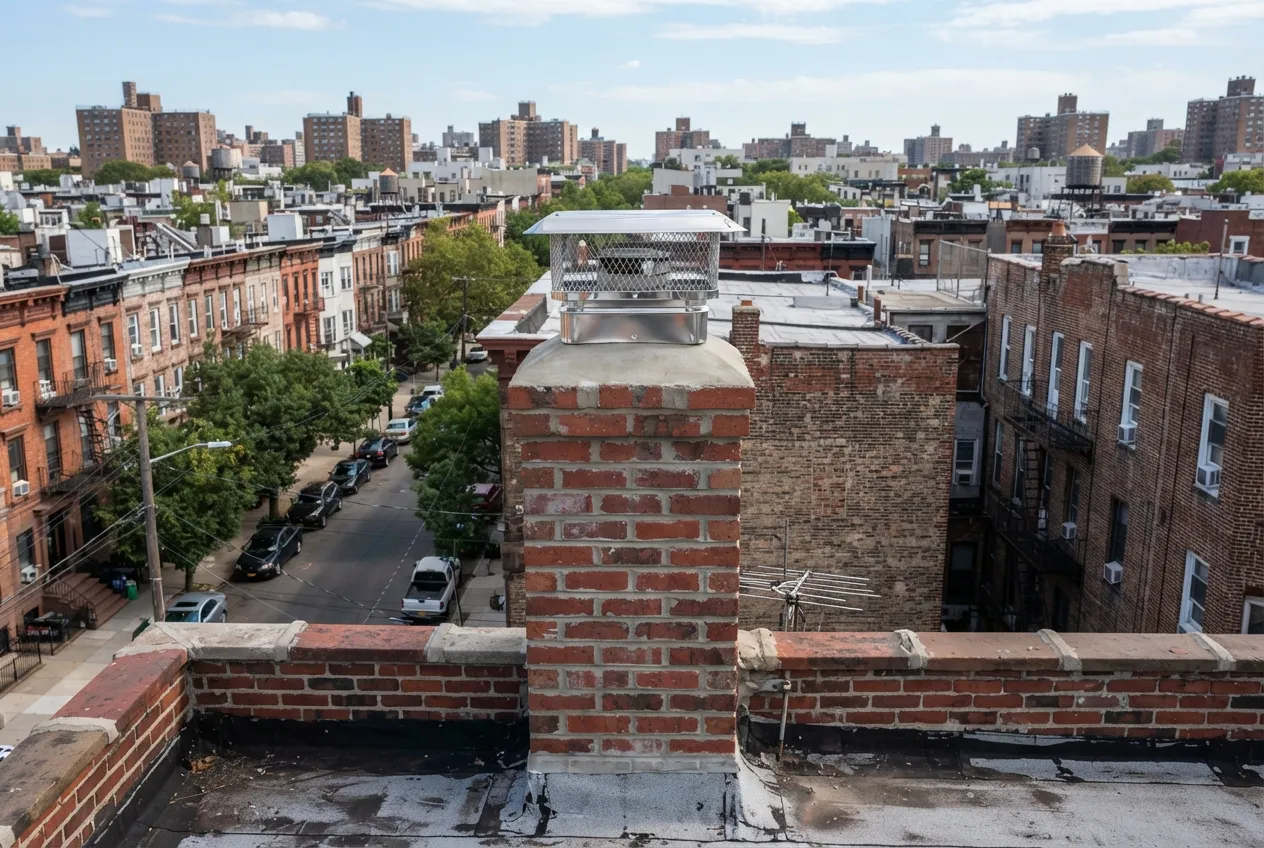
Hunters Point has older rowhouses and pre-war apartment buildings alongside much newer residential construction. Older masonry chimneys have often served more than one appliance over the years, and many have been altered along the way. Flue tiles, mortar joints and crowns wear down with moisture and repeated freezing and thawing. Newer buildings are more likely to have factory-built vents and prefabricated fireplaces, which have their own parts and clearances to check.
Depending on your home, our inspection looks at:
- Cracked, shifted or missing flue tiles and gaps in mortar joints
- Creosote and soot buildup from wood-burning fireplaces
- Blockages from debris, nests or loose masonry
- The crown, cap and flashing, where water most often gets in
- Connector pipes from boilers and water heaters, including their slope and joints
- Staining, moisture or odors inside the home near the chimney
Planning an Oil-to-Gas Conversion
Is your building switching its boiler from oil to gas? In New York City, the chimney has to be evaluated as part of that work. A new liner is often needed, because gas exhaust produces acidic condensate that can corrode a masonry flue that handled oil without trouble.
Having the chimney inspected before the conversion gives you and your heating contractor a clear picture of the flue's condition. That way, liner decisions are part of the plan from the start rather than a surprise partway through.
Time for your annual chimney check?
Schedule Around Heat Season
New York City's heat season runs from October 1 through May 31. During that time, building owners must keep apartments heated to the city's minimum temperatures. A chimney problem found in the middle of winter can force you to shut down a boiler while repairs are arranged. That is hard on tenants and on you.
Booking your yearly inspection in late spring or summer leaves time to handle any repairs before the heat comes back on in the fall. Some warning signs call for a call right away instead of waiting for your annual visit. Watch for smoke backing into a room, unusual odors, or soot around an appliance.
What Happens During and After the Visit
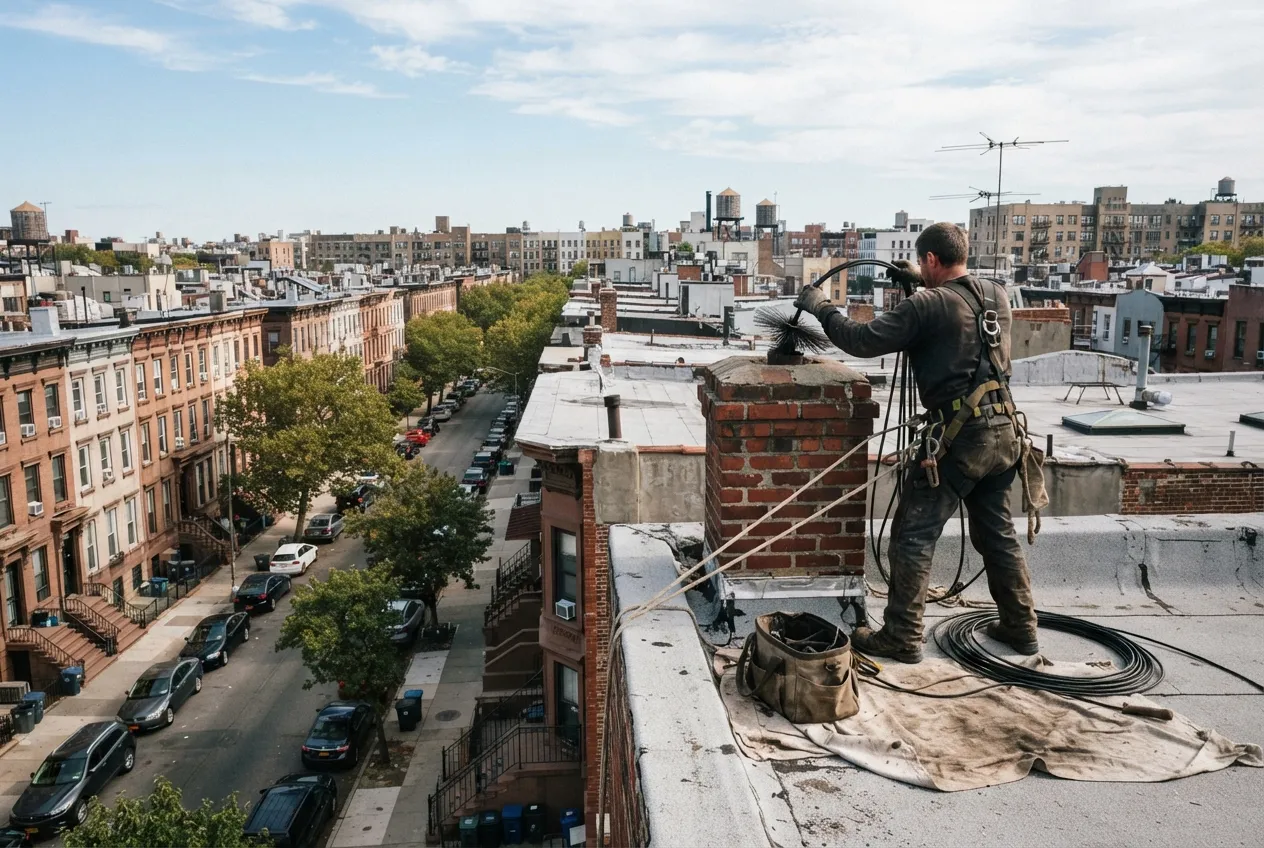
Your certified technician will first ask about your appliances, the fuel you use and any recent changes. Then they will inspect the chimney from inside the home and, where it is safely accessible, from the roof. We protect floors and the area around the fireplace while we work.
Afterward, you get a plain-language explanation of what we found. It sorts issues into three groups: what needs attention now, what can wait, and what is in good shape. If cleaning or repairs are needed, we'll walk you through the options. The decision is yours.
More services in Hunters Point
- Chimney Sweep in Hunters PointLocal service & repairs
- Chimney Repair in Hunters PointLocal service & repairs
- Air Duct Cleaning in Hunters PointLocal service & repairs
- Chimney Liner Installation in Hunters PointLocal service & repairs