The short answer
The NFPA 211 standard calls for chimneys, fireplaces and vents to be inspected once a year, even if you rarely or never light a fire. RoyalFlue's certified technicians inspect chimneys across East Williamsburg and recommend a Level 1, 2 or 3 inspection based on whether your system has changed.
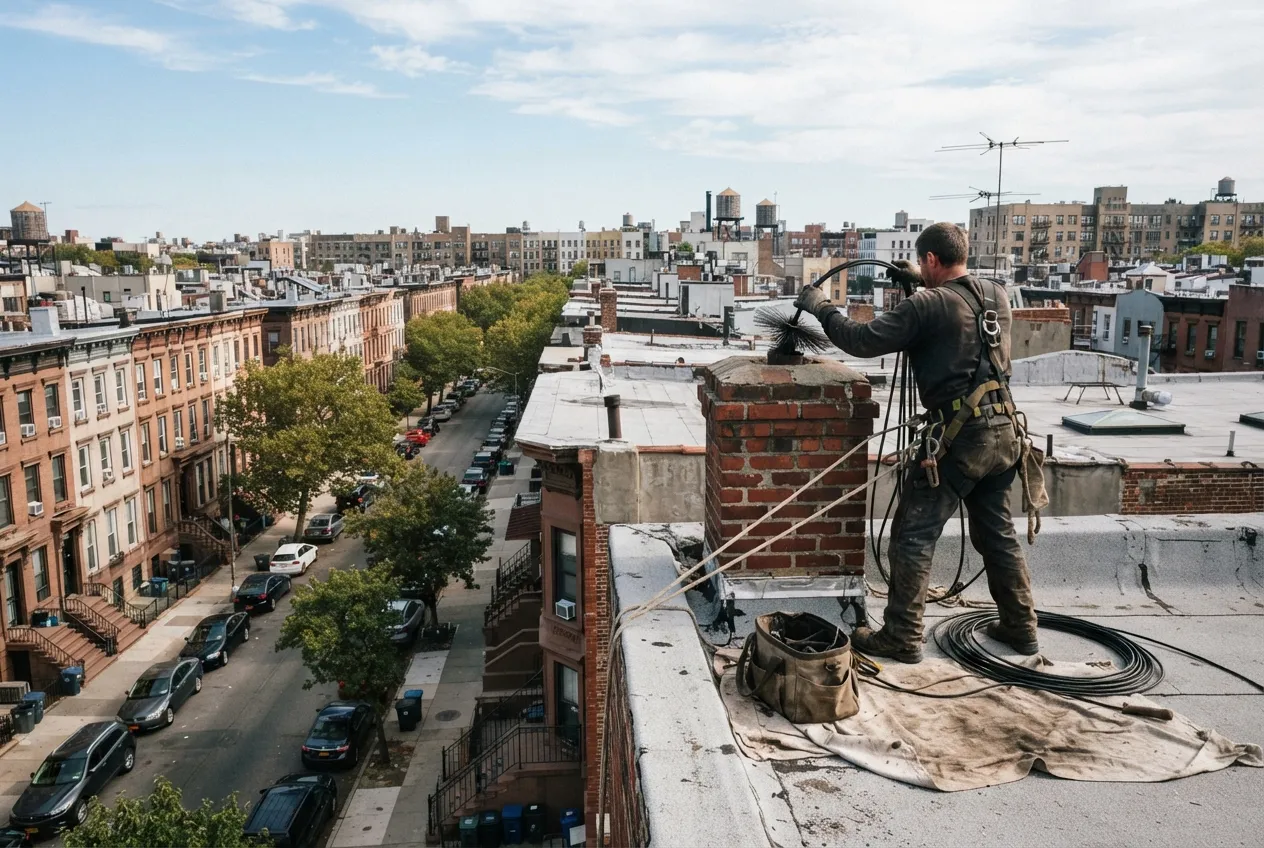
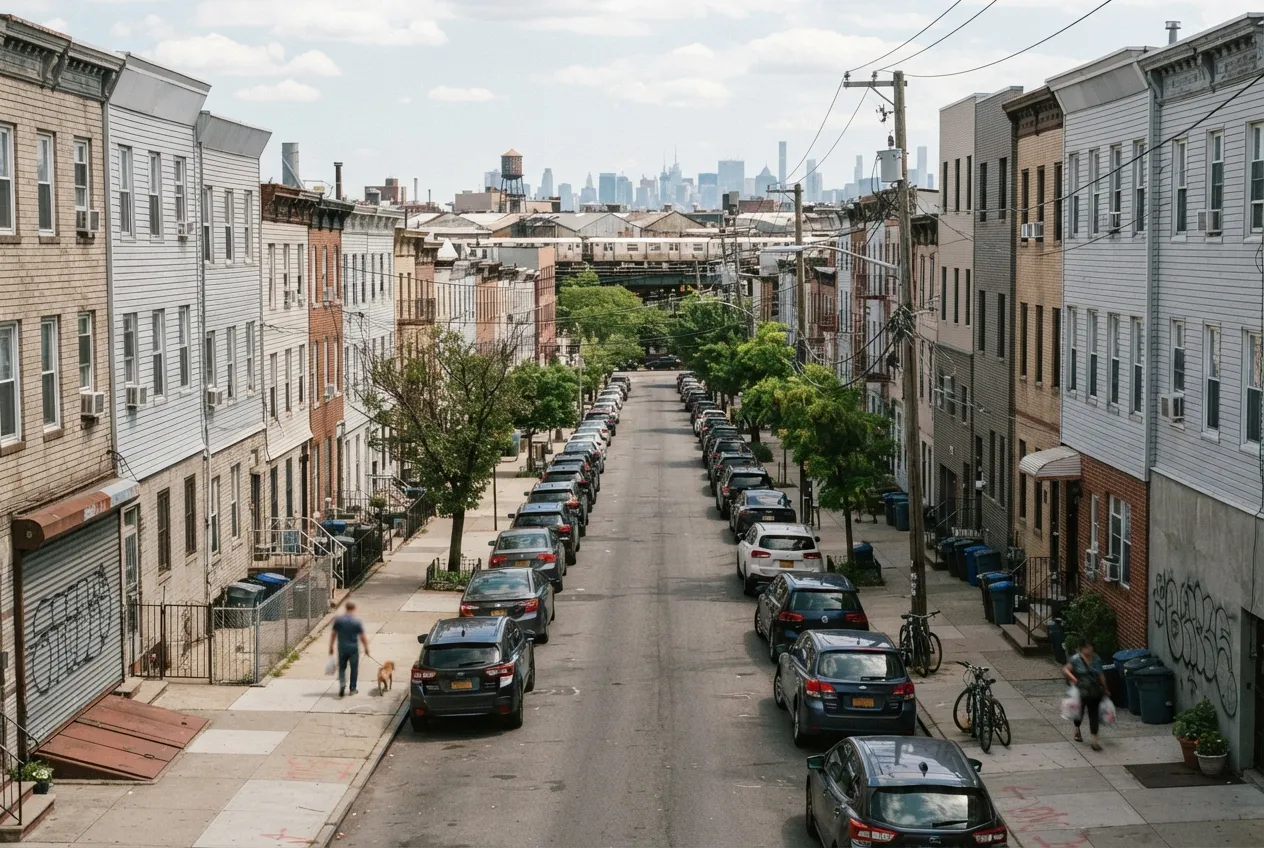
Many chimneys in East Williamsburg are older masonry chimneys serving rowhouses, multi-family frame houses and pre-war apartment buildings. Many of them vent boilers through flues built decades ago for a different fuel. RoyalFlue Chimney Services inspects chimneys, fireplaces and appliance vents throughout East Williamsburg (ZIP codes 11206 and 11211), about 2 miles southeast of our Greenpoint office. Our certified technicians look at the whole venting system, explain what they find in plain terms and tell you which level of inspection your situation actually calls for.
Why a Yearly Inspection Matters in East Williamsburg
The NFPA 211 standard calls for chimneys, fireplaces and vents to be inspected once a year. That applies whether you burn wood a few nights each winter or never use the fireplace but run a gas boiler or water heater into the same chimney. A flue that never sees a fire can still crack, shift, collect fallen debris or get blocked by nests.
Timing matters in New York City. Heat season runs from October 1 through May 31, and during those months building owners must keep apartments heated to the city's minimum temperatures. If an inspection turns up a problem in the middle of winter, any repair has to be worked around a boiler that needs to keep running. Scheduling in late spring or summer gives you time to fix things before the heat comes back on.
The Three Inspection Levels and Which One You Need
Chimney professionals use three levels of inspection. We recommend the level that fits your situation, and we don't push a deeper inspection when a basic one will do.
- Level 1: For a system that hasn't changed and that you plan to keep using the same way. We check the readily accessible parts of the chimney, the firebox or appliance connection, and the flue for obstructions and buildup.
- Level 2: For when something changes, such as a new boiler or water heater or a switch of fuel. A Level 2 is also called for when the home is sold. It is a more thorough look that usually includes a camera inspection of the flue's interior.
- Level 3: For when a hidden hazard has to be reached by opening part of the chimney or the building. This usually happens when a Level 2 finds something that can't be evaluated any other way.
Oil-to-Gas Conversions in Older Buildings
Many pre-war buildings and older rowhouses in the area were built to burn oil and have since converted to gas, or are planning to. When a New York City building converts its boiler from oil to gas, the chimney has to be evaluated as part of the work. A new liner is often needed, because gas exhaust produces acidic condensate that can corrode a masonry flue from the inside.
If you're planning a conversion, bring us in early. An inspection before the new boiler goes in tells you and your heating contractor what condition the flue is in and whether a liner belongs in the plan. That way you don't find out partway through the job.
Time for your annual chimney check?
What We Check During an Inspection
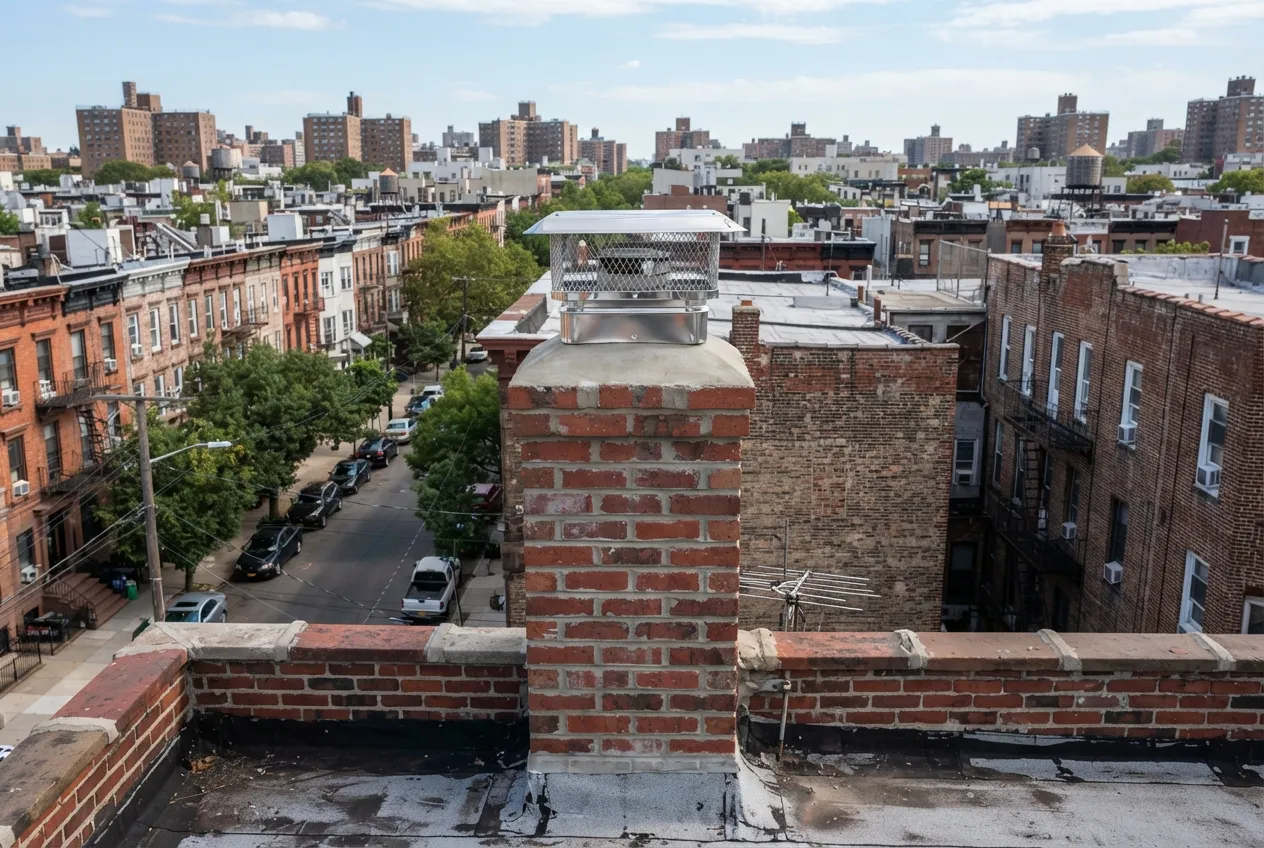
Our technicians check the chimney from the appliance or firebox up to the cap. Depending on the inspection level, that includes:
- Flue liner condition: cracks, gaps between tiles, missing mortar or corrosion from condensate
- Creosote and soot buildup in wood-burning fireplaces
- Obstructions such as nests, fallen debris or broken liner pieces
- Chimney crown, cap and flashing where the chimney meets the roof
- Exterior masonry: spalling brick, open joints or leaning sections
- Connector pipes from boilers, furnaces and water heaters
- Damper, smoke chamber and firebox
- Signs of water entry, such as staining or white mineral deposits
Clear Findings, No Guesswork
After the inspection you get a written summary of what we found, with photos where they help. If something needs repair, we explain what it is, why it matters and how urgent it is, so you can decide what to do and when. If everything checks out, we tell you that too.
We work throughout East Williamsburg and in nearby Williamsburg, Greenpoint, Sunnyside, Long Island City and Hunters Point. We can schedule an inspection whether you own a single rowhouse, manage a small multi-family building, or are buying a home and want the chimney checked before closing.
More services in East Williamsburg
- Chimney Sweep in East WilliamsburgLocal service & repairs
- Chimney Repair in East WilliamsburgLocal service & repairs
- Air Duct Cleaning in East WilliamsburgLocal service & repairs
- Chimney Liner Installation in East WilliamsburgLocal service & repairs