The short answer
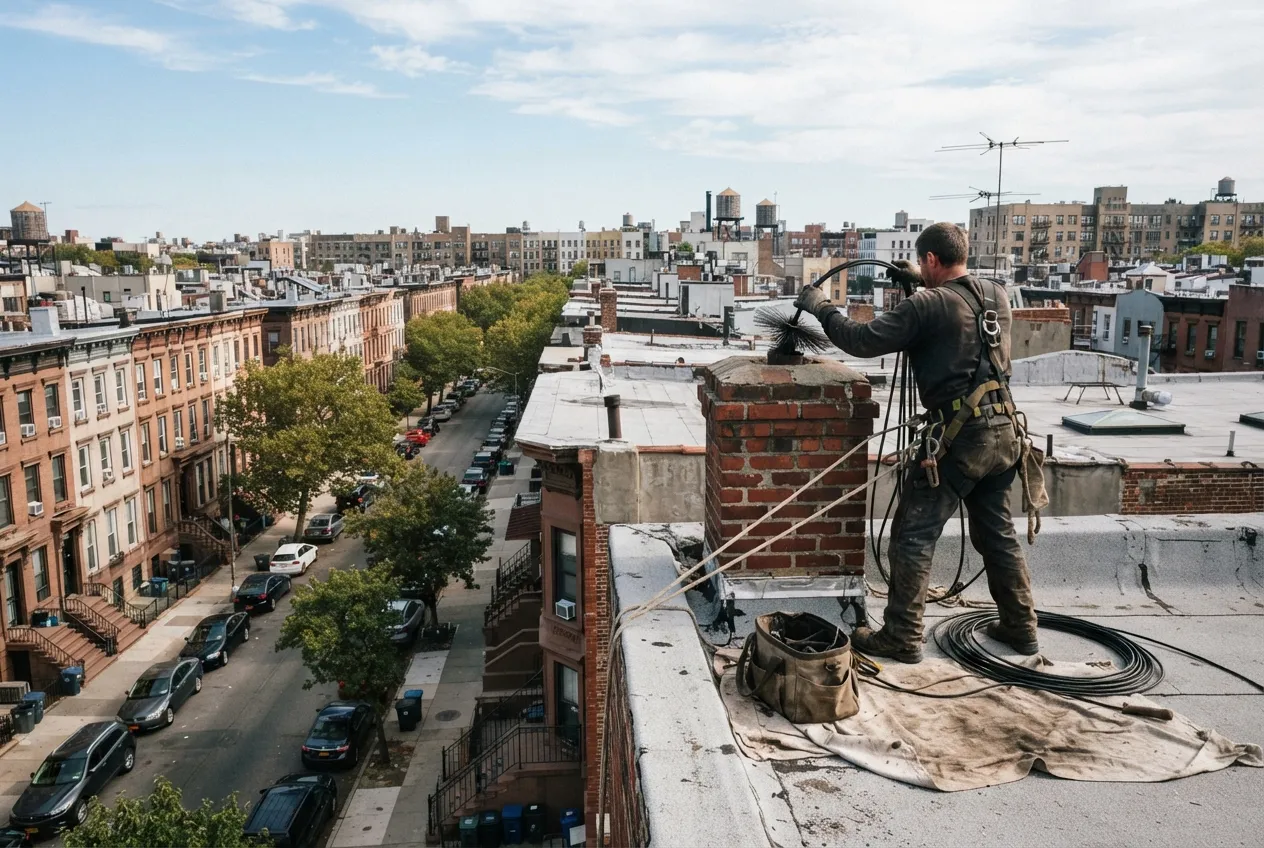
Many Murray Hill chimneys have cracked clay tiles, no liner at all, or a flue that no longer fits the appliance using it. RoyalFlue inspects the flue first, then installs a liner sized for your fireplace or appliance. A new liner is often needed when a building converts its boiler from oil to gas.
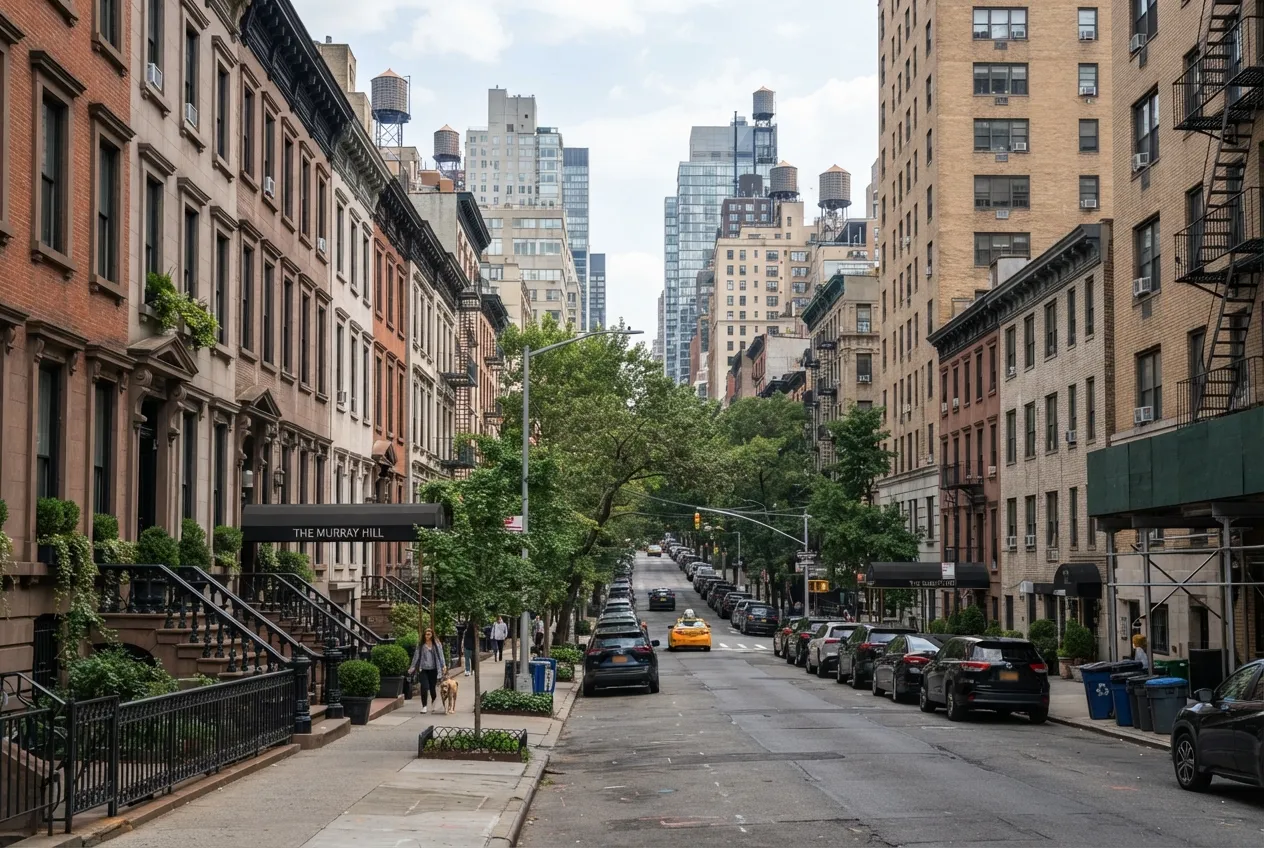
Murray Hill's brownstones, rowhouses and pre-war apartment buildings have chimneys that were built long before today's boilers, water heaters and gas appliances. When a flue is cracked, unlined, or no longer the right size for what vents into it, a new liner is often the fix. RoyalFlue's certified technicians install chimney liners for homes and buildings in ZIP codes 10016 and 10168. We come over from our office in Greenpoint, Brooklyn, about 2 miles away.
Why Chimneys in Murray Hill Often Need Relining
Many chimneys in the neighborhood's older townhouses and pre-war buildings were built with clay tile liners or no liner at all. Over decades, heat cycles, moisture and settling can crack tiles and wear away mortar joints. Once that happens, the flue can no longer reliably contain heat, smoke and combustion gases. Those gases can then find their way into walls or into neighboring rooms.
Heating changes are the other common reason. When a New York City building converts its boiler from oil to gas, the chimney has to be evaluated as part of the work. A new liner is often needed, because gas exhaust produces acidic condensate that can corrode a masonry flue. A similar question comes up when a smaller, more efficient boiler or water heater replaces an old one. The original flue may now be too large to vent the new appliance properly.
Signs Your Flue May Need a New Liner
An inspection usually confirms a liner problem. These are common warning signs:
- Pieces of clay tile or flaking masonry collecting at the base of the flue or in the cleanout
- Water stains, white mineral deposits or damp spots on walls near the chimney
- Smoke or odors drifting into the room when the fireplace or appliance is running
- A boiler or water heater that has been replaced or switched to a different fuel
- A camera inspection that shows cracks, gaps or missing mortar between tiles
- An older fireplace that hasn't been inspected since you moved in
Liner Options for Older Masonry Chimneys
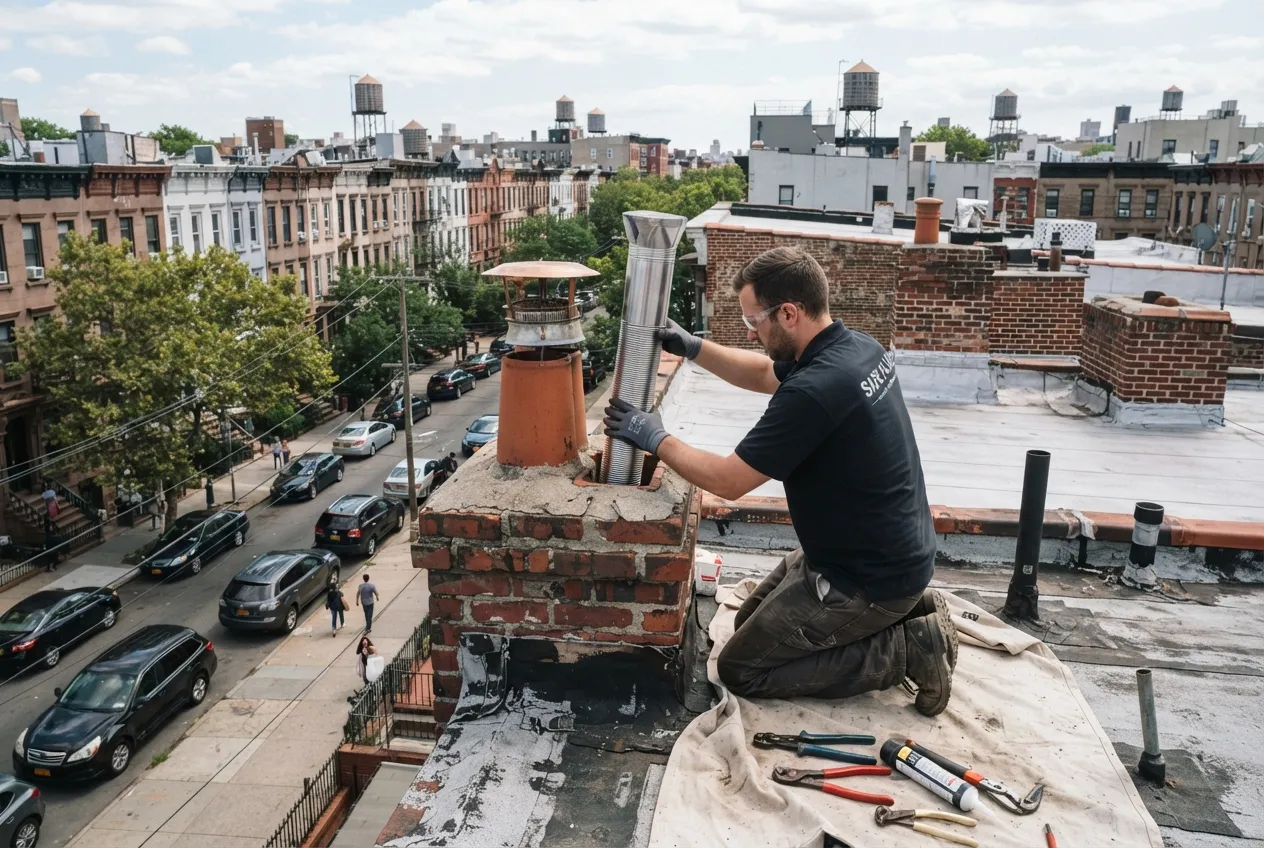
The right liner depends on what vents into the chimney. Stainless steel liners are a common choice for relining older masonry flues. They can be fed down an existing chimney, including one with bends or offsets, and they can be matched to gas, oil or wood-burning equipment. For wood-burning fireplaces, the liner may need insulation around it. Insulation keeps the liner hot enough for good draft and helps protect nearby framing.
Sizing matters as much as material. When a liner is too large for a modern appliance, exhaust cools too quickly, which causes condensation and poor draft. When a liner is too small, it can restrict venting. We size each liner to the appliance or fireplace it serves and to the height of the chimney.
Time for your annual chimney check?
How Installation Works in Townhouses and Apartment Buildings
Every job starts with an inspection. Under the NFPA 211 standard, a Level 2 inspection is used when a system changes, such as a new appliance or a switch of fuel. Most relining projects involve exactly that kind of change. We look at the full length of the flue with a camera and confirm what you need before any work begins.
Installation generally has five steps. We clean the flue, lower the liner from the roof, and connect it at the appliance or smoke chamber. Then we seal the top with a cap and check the draft once everything is in place. In pre-war apartment buildings, we work out roof access and timing with the superintendent or building management so residents are disturbed as little as possible.
Planning Around Heat Season
New York City's heat season runs from October 1 through May 31. During those months, building owners must keep apartments heated to the city's minimum temperatures. If your building relies on a boiler, relining its flue is easiest to schedule outside heat season. If the work can't wait, it should be planned so heat is off for as short a time as possible. Brownstone and rowhouse owners can book a liner inspection in spring or summer. That leaves time to fix problems before you need heat or want to light a fire.
After a new liner is installed, keep up with yearly inspections. NFPA 211 calls for chimneys, fireplaces and vents to be inspected once a year.
Serving Murray Hill and Nearby Neighborhoods
We install chimney liners throughout Murray Hill and in nearby Kips Bay, Gramercy, Stuyvesant Town, Peter Cooper Village and the East Village. If you aren't sure whether your chimney needs a new liner, we can start with an inspection and explain what we find in plain terms.
More services in Murray Hill
- Chimney Sweep in Murray HillLocal service & repairs
- Chimney Inspection in Murray HillLocal service & repairs
- Chimney Repair in Murray HillLocal service & repairs
- Air Duct Cleaning in Murray HillLocal service & repairs