The short answer
Murray Hill homeowners should have chimneys, fireplaces and vents inspected once a year, as the NFPA 211 standard calls for. RoyalFlue's certified technicians perform Level 1, 2 and 3 inspections and evaluate flues for oil-to-gas boiler conversions in 10016 and 10168.
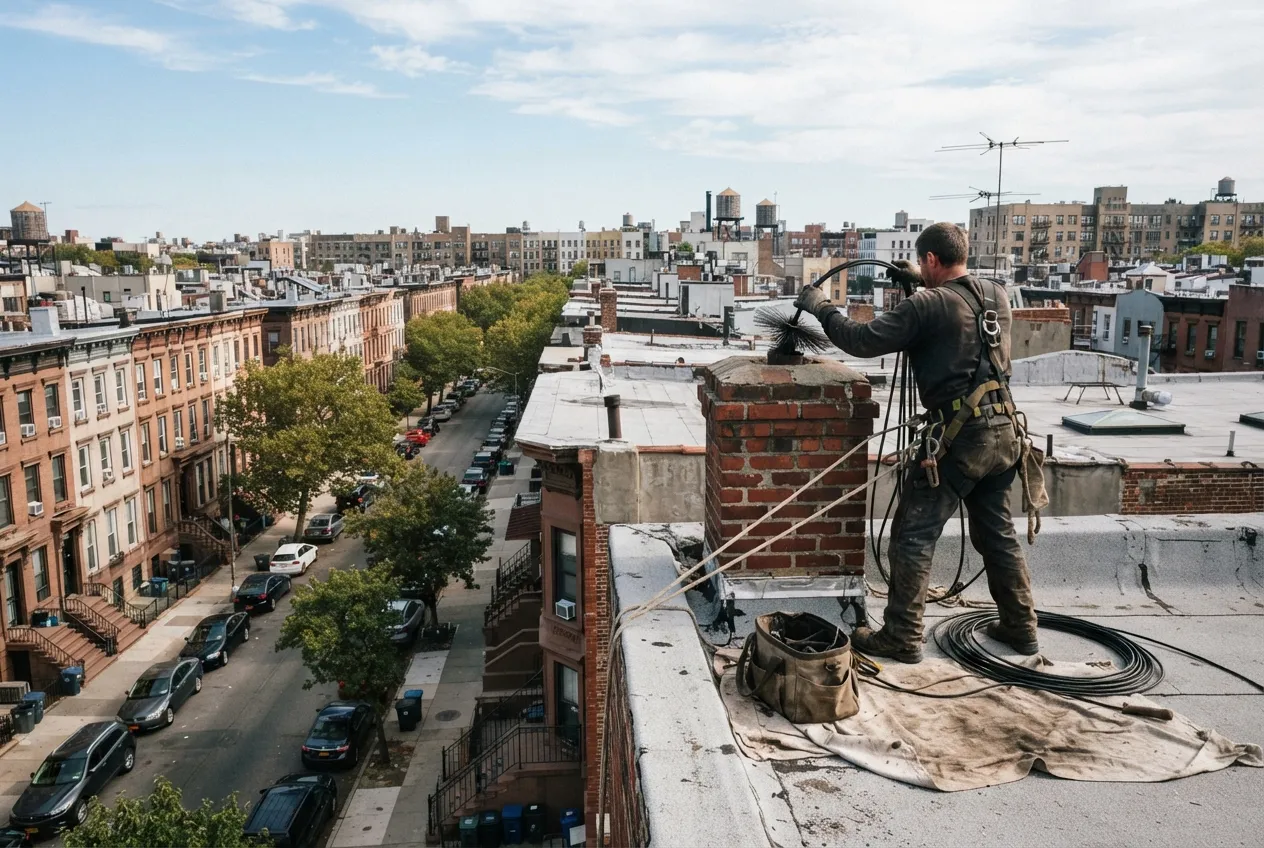
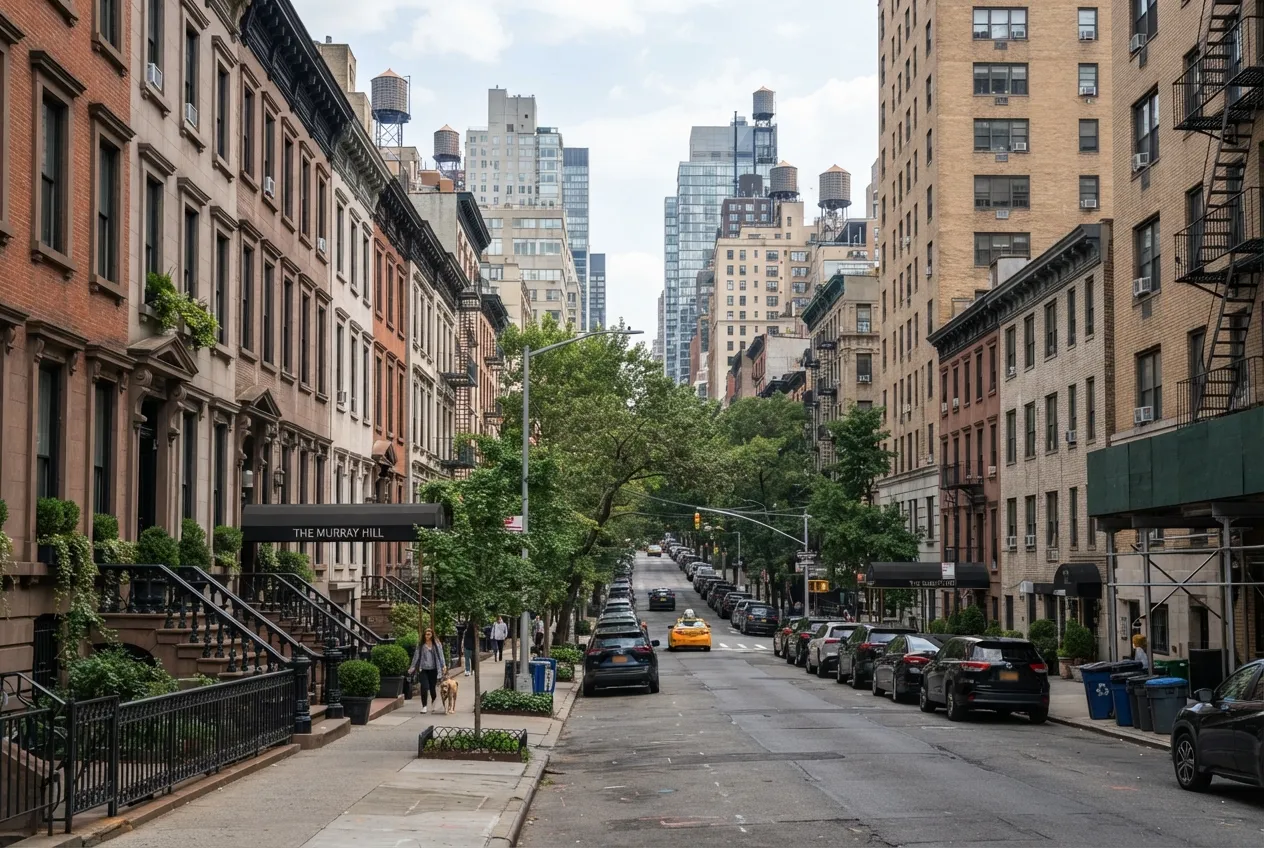
Murray Hill's brownstones, rowhouses and pre-war apartment buildings were built around masonry chimneys, and many of those flues have served coal, oil, wood and gas over their lifetimes. RoyalFlue Chimney Services inspects chimneys, fireplaces and appliance vents for homeowners and building owners in ZIP codes 10016 and 10168. Our office in Greenpoint, Brooklyn is about two miles away, so Murray Hill is a short trip for our certified technicians. This page explains what an inspection covers, which level fits your situation, and how to prepare.
Why Murray Hill Chimneys Need a Yearly Look
The NFPA 211 standard calls for chimneys, fireplaces and vents to be inspected once a year. That applies whether you light a wood fire a few times each winter or rely on a boiler that vents through the chimney every day of the heating season.
Older masonry in this part of Manhattan tends to show its age in predictable ways. Mortar joints erode at the top of the stack, clay tile liners crack, crowns let water in, and dampers rust shut. Many of these problems sit out of sight, inside the flue or up on the roof. They can develop for years before anyone notices a stain on a ceiling or smoke drifting into a room.
New York City's heat season runs from October 1 through May 31, and building owners must keep apartments heated to the city's minimum temperatures during that stretch. A flue problem found in late summer is far easier to fix than one discovered when residents are counting on heat.
The Three Inspection Levels, Explained
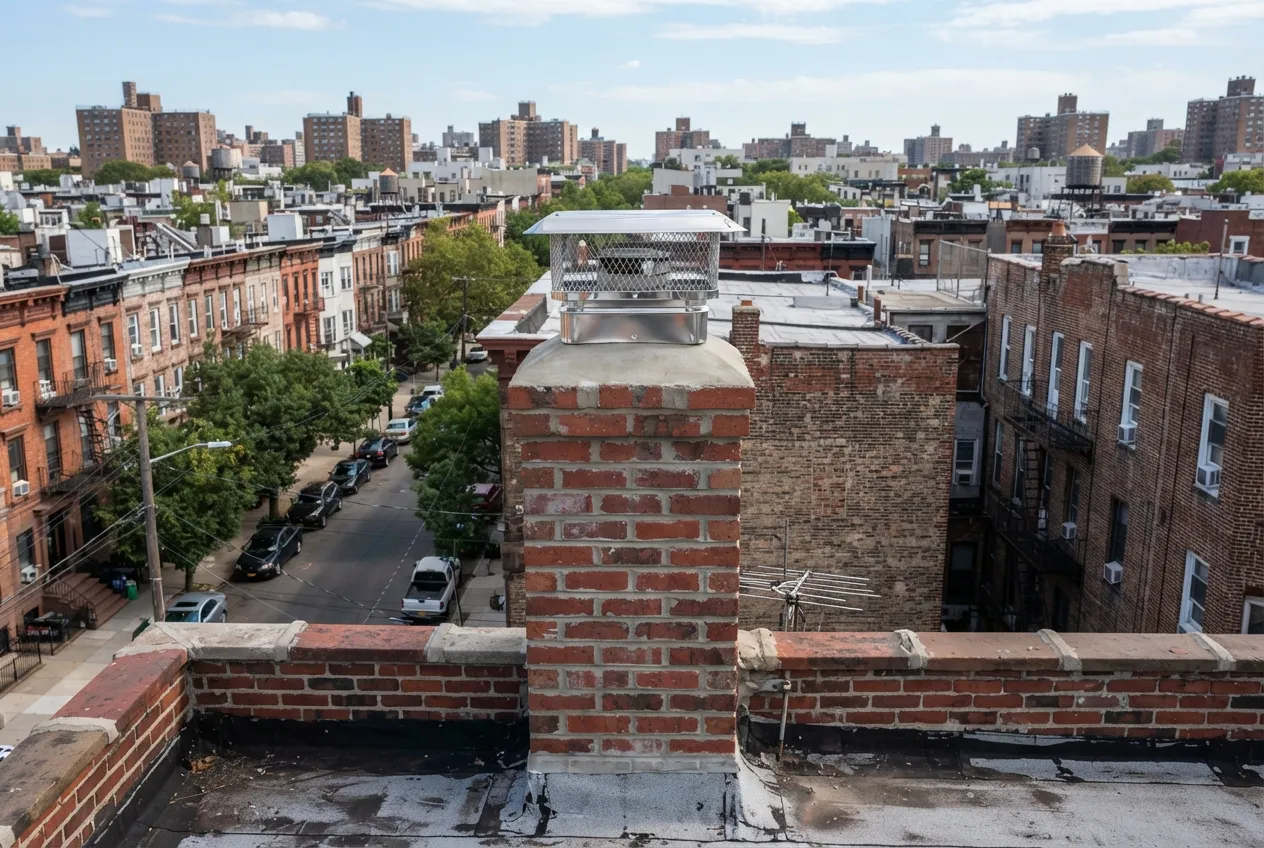
Chimney professionals use three levels of inspection. We recommend the one that matches what is going on with your home, and we tell you why.
- Level 1: For a chimney that hasn't changed and is being used the same way as before. We check the readily accessible parts of the chimney, fireplace and appliance connection for soundness, obstructions and buildup.
- Level 2: For when the system changes, such as a new appliance or a switch of fuel, or when the home is sold. This adds a closer look at the flue interior, usually with a video camera, plus accessible areas such as attics, basements and the roof.
- Level 3: For when a hidden hazard has to be reached by opening part of the chimney or building. This is uncommon, and we only recommend it when earlier findings point to a concealed problem.
Oil-to-Gas Conversions in Murray Hill Buildings
Many pre-war buildings in the neighborhood originally heated with oil. When a New York City building converts its boiler from oil to gas, the chimney has to be evaluated as part of the work. A new liner is often needed, because gas exhaust produces acidic condensate that can corrode a masonry flue.
We inspect the existing flue, document its condition with photos and video, and explain whether it can be used as is or needs a liner. That gives your boiler contractor and building manager the information they need to plan the conversion.
Time for your annual chimney check?
What Happens During Your Inspection
Our technicians start indoors and protect the floors and furnishings near the fireplace or boiler room. From there we work through the system in order:
Before we leave, we walk you through what we found, show you the photos, and leave you with a written report. If something needs repair, we explain what it is, how urgent it is, and what your options are. If nothing needs work, we tell you that too.
- Firebox, smoke chamber and damper, checked for cracks, gaps and creosote
- Flue liner, examined from the bottom and the top, with camera footage when the inspection level calls for it
- Connectors and vent pipes for boilers, furnaces and water heaters
- Crown, cap, flashing and exterior masonry on the roof
- Signs of water entry, animal nests or debris blocking the flue
Serving Murray Hill and Nearby Neighborhoods
Along with Murray Hill, we inspect chimneys in Kips Bay, Gramercy, Stuyvesant Town, Peter Cooper Village and the East Village. Whether you own a single brownstone, manage a walk-up, or live in a co-op with a fireplace you'd like to start using again, we can help you understand the condition of your chimney.
In apartment buildings, roof access usually has to be arranged with the super or managing agent. Let us know ahead of time and we will coordinate so the visit runs smoothly.
More services in Murray Hill
- Chimney Sweep in Murray HillLocal service & repairs
- Chimney Repair in Murray HillLocal service & repairs
- Air Duct Cleaning in Murray HillLocal service & repairs
- Chimney Liner Installation in Murray HillLocal service & repairs