The short answer
RoyalFlue repairs chimney masonry, crowns, caps, flashing and flue liners for East Village homes and buildings in 10003 and 10009. We start with an inspection to find the cause, then explain what needs fixing, what can wait and why. Repairs are easiest to schedule outside the city's October-to-May heat season.
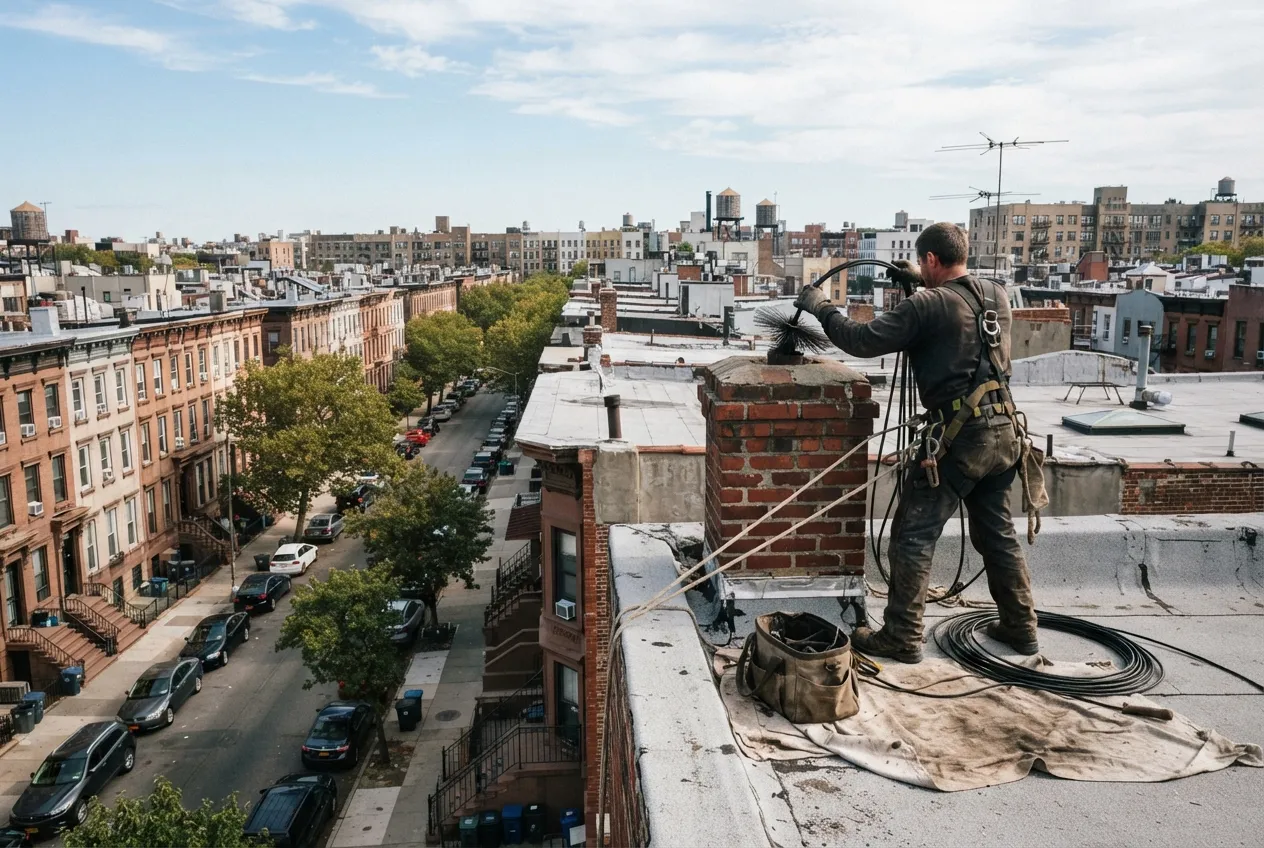
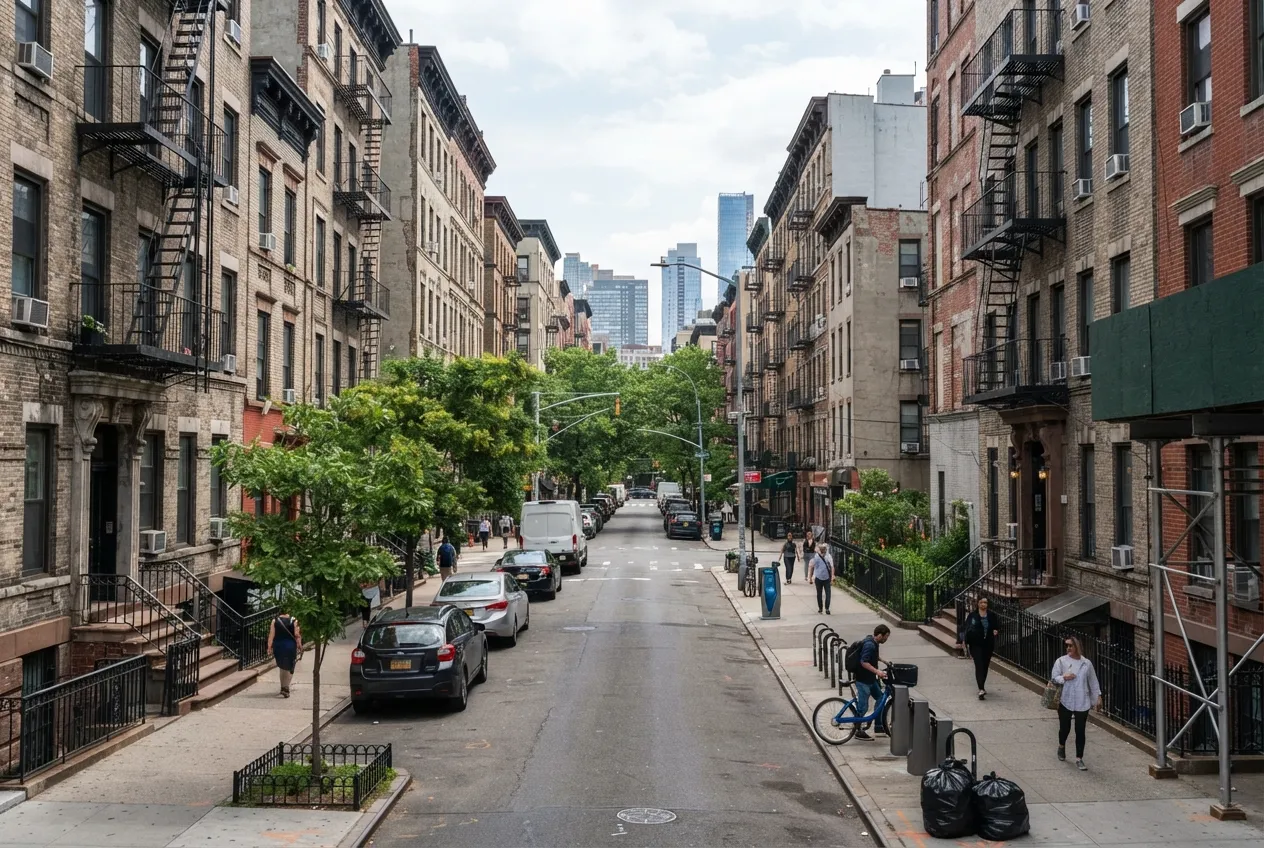
Many East Village homes sit in older masonry buildings: rowhouses, brownstones, walk-ups and pre-war apartment buildings whose chimneys have weathered decades of rain, wind and freeze-thaw cycles. Over time, mortar washes out, bricks crack, crowns split and flashing pulls away from the roof. Those problems usually start small and get worse each winter. RoyalFlue Chimney Services repairs chimneys throughout the East Village, including ZIP codes 10003 and 10009. Our certified technicians come over from our office in Greenpoint, Brooklyn, about 2 miles away, and we focus on finding the actual cause of a problem before recommending any work.
Chimney Problems Common in East Village Buildings
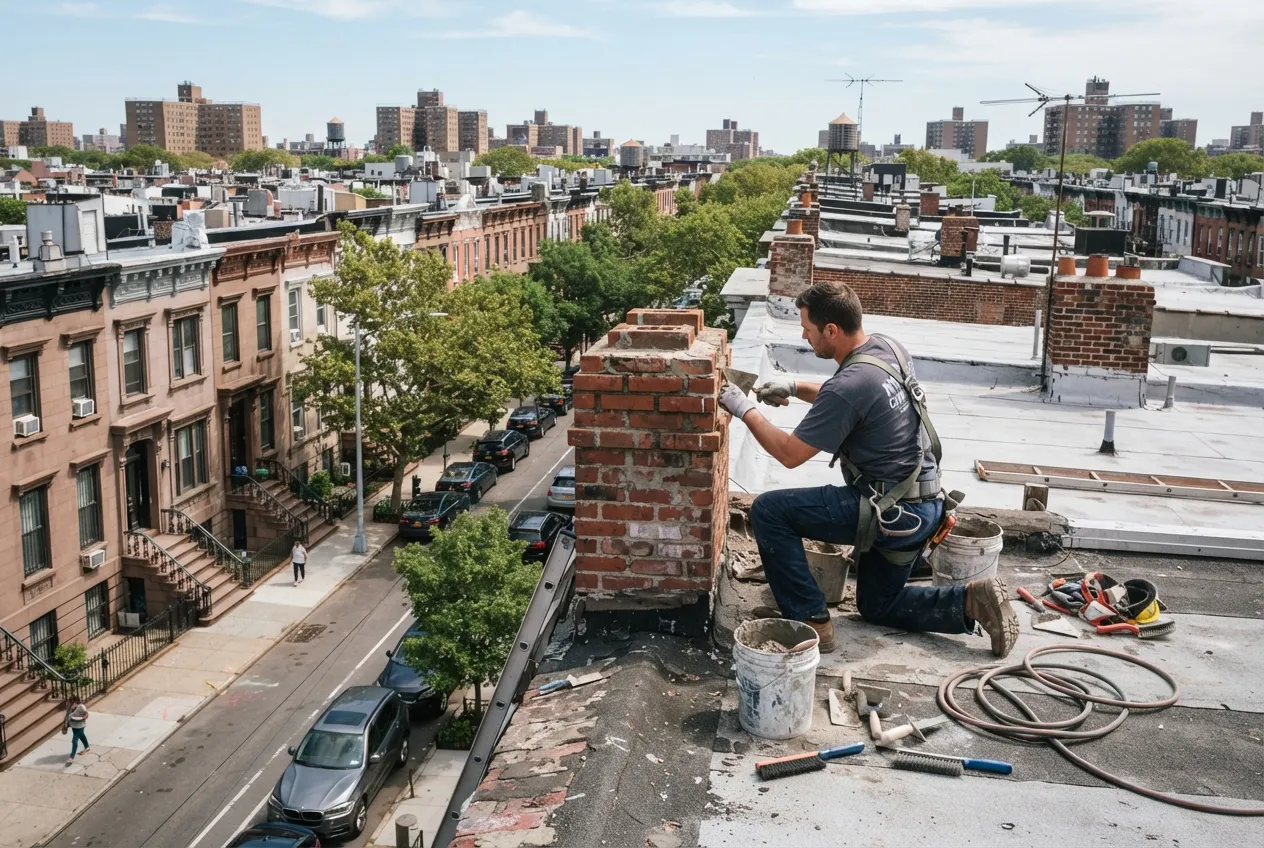
Older masonry chimneys in this part of Manhattan tend to fail in predictable places. The top of the chimney takes the most weather, so crowns, caps and the upper courses of brick usually show damage first. Where the chimney passes through the roof, flashing can loosen and let water into walls and ceilings below. Inside, clay flue tiles can crack from age, heat or moisture, which affects how safely the chimney carries smoke and exhaust out of the building.
Signs that a chimney needs attention include:
- Crumbling, recessed or missing mortar between bricks
- Cracked, flaking or spalling brick faces
- A cracked or broken concrete crown at the top of the chimney
- A missing, rusted or damaged chimney cap
- Water stains on ceilings or walls near the chimney
- Pieces of tile or masonry falling into the firebox or cleanout
- A chimney that leans or has visibly separated from the building
Oil-to-Gas Conversions and Flue Liners
Many East Village buildings have converted, or plan to convert, their boilers from oil to gas. When a New York City building makes that switch, the chimney has to be evaluated as part of the work. A new liner is often needed, because gas exhaust produces acidic condensate that can corrode an unlined or deteriorated masonry flue over time.
We inspect the existing flue, check whether it is sized and in good enough condition for the new appliance, and explain whether a liner is needed and what kind fits the job. If your building is planning a conversion, it helps to bring us in early so the chimney work is coordinated with the rest of the project.
How We Approach a Chimney Repair
The NFPA 211 standard calls for chimneys, fireplaces and vents to be inspected once a year. Chimney professionals use three inspection levels. A Level 1 inspection fits when nothing about the system has changed. A Level 2 inspection is used when the system changes, such as a new appliance or a switch of fuel, or when the home is sold. A Level 3 inspection is reserved for cases where a hidden hazard can only be reached by opening part of the chimney or building.
For repairs, our process usually looks like this:
- Inspect the chimney at the level the situation calls for
- Show you photos of what we found and explain the cause
- Separate urgent safety repairs from items that can be planned for later
- Complete the repair with materials suited to older masonry
- Review the finished work with you before we leave
Time for your annual chimney check?
Planning Repairs Around Heat Season
New York City's heat season runs from October 1 through May 31. During that period, building owners must keep apartments heated to the city's minimum temperatures, which makes taking a boiler chimney out of service harder to arrange. Late spring and summer are usually the most practical times for liner installations and larger masonry work.
That said, some problems should not wait. Active leaks, loose masonry near the top of the chimney, or signs that exhaust is not venting properly should be looked at as soon as possible, whatever the season.
Serving East Village and Nearby Neighborhoods
Along with the East Village, we handle chimney repair in Stuyvesant Town, Peter Cooper Village, Gramercy, Murray Hill and Kips Bay. Whether you own a single rowhouse or manage a pre-war apartment building, we will work with you on access, scheduling and any coordination with building management.
More services in East Village
- Chimney Sweep in East VillageLocal service & repairs
- Chimney Inspection in East VillageLocal service & repairs
- Air Duct Cleaning in East VillageLocal service & repairs
- Chimney Liner Installation in East VillageLocal service & repairs