The short answer
Yes, East Village chimneys should be inspected every year. The NFPA 211 standard calls for a yearly inspection of chimneys, fireplaces and vents, including flues that only vent a boiler or water heater. RoyalFlue's certified technicians match the inspection level to your building and give you a written report with photos.
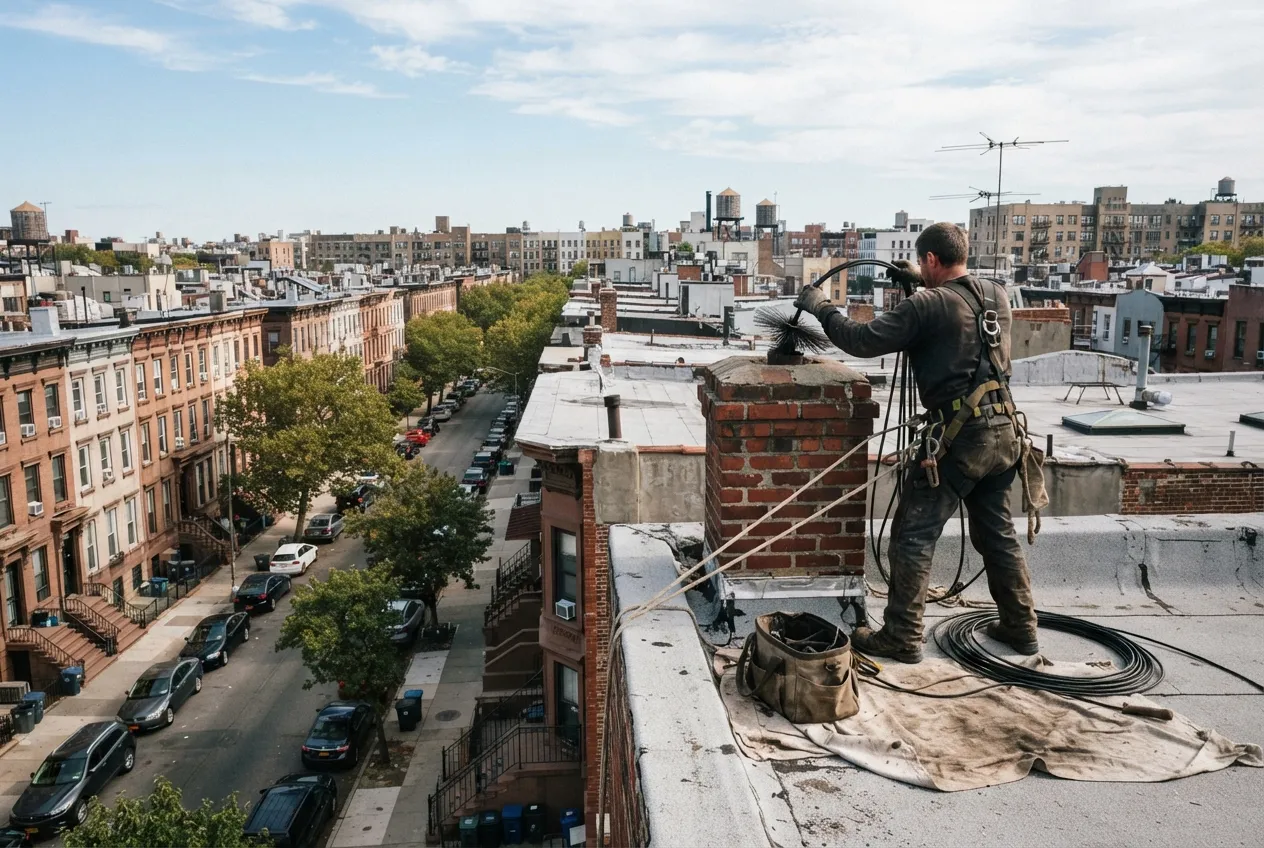
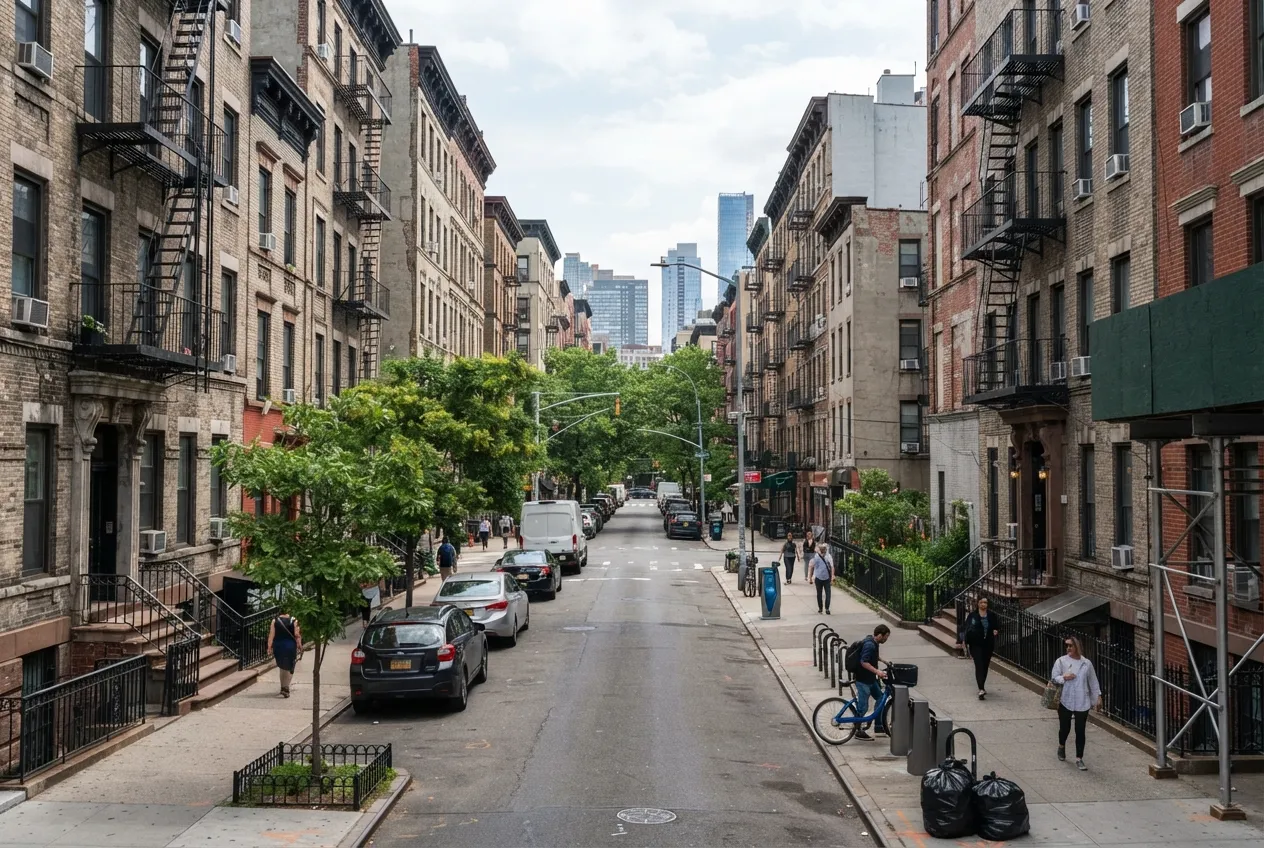
East Village homes ask a lot of their chimneys. Many buildings here are pre-war, with masonry flues that may have vented more than one fuel over the decades. Rowhouses and walk-ups often have fireplaces that sat unused for years before someone decided to light them again. RoyalFlue Chimney Services inspects chimneys, fireplaces and vents across ZIP codes 10003 and 10009, coming over from our Greenpoint office about 2 miles away. Our certified technicians tell you what they found, show you photos, and explain what needs attention now and what can wait.
Why East Village chimneys need a yearly look
The NFPA 211 standard calls for chimneys, fireplaces and vents to be inspected once a year. That applies whether you burn wood every weekend or only use the flue to vent a boiler or water heater. A vent that carries gas exhaust can still be blocked by a fallen brick, debris or a nest, and you often won't see or smell the problem from inside the apartment.
Timing matters in the city. New York City's heat season runs from October 1 through May 31, and building owners have to keep apartments at the city's minimum temperatures during that stretch. If a boiler flue problem turns up in January, repairs can mean cold units and frustrated tenants. Scheduling the inspection in late spring or summer gives you time to fix anything before the boiler has to run full-time.
Level 1, 2 or 3: which inspection fits your situation
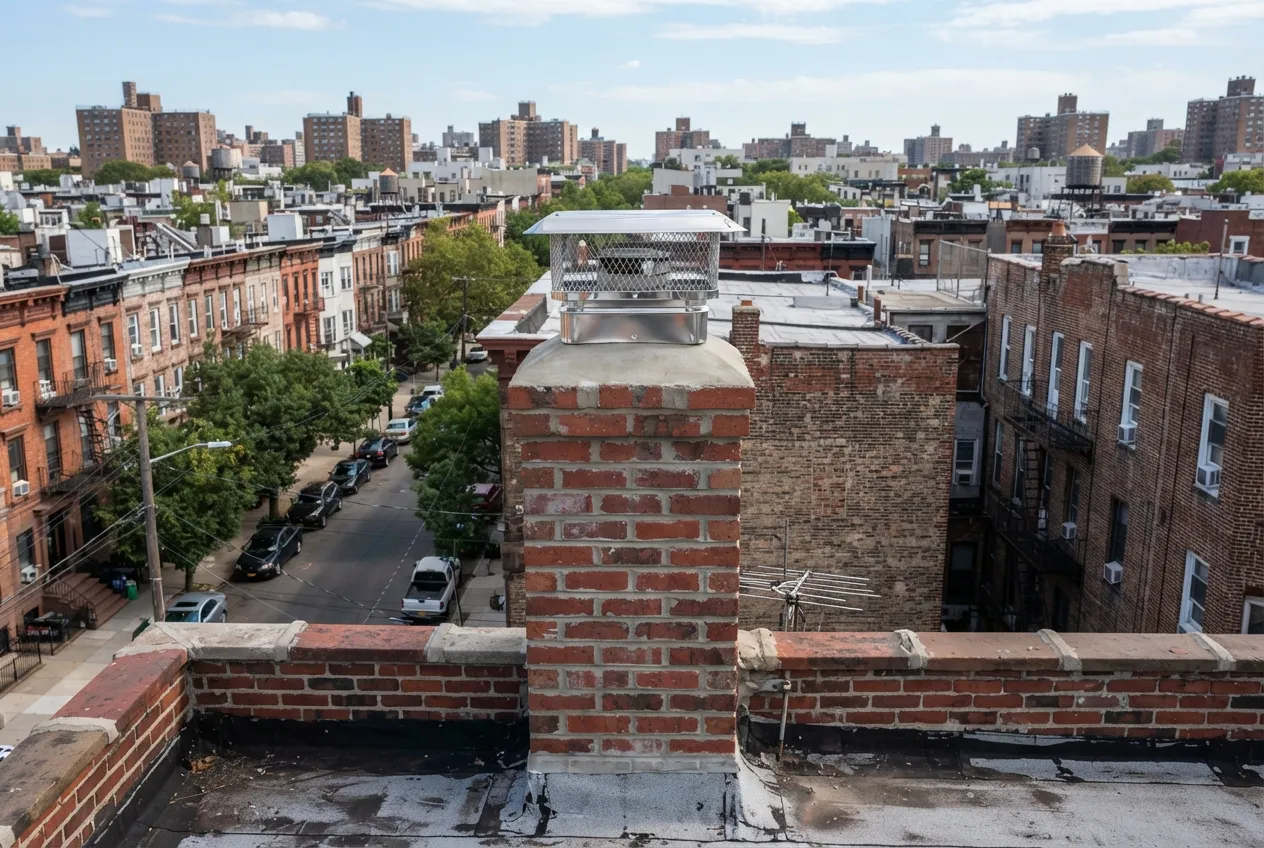
Chimney professionals use three inspection levels. We recommend the one that matches what's going on in your building, not the most involved one by default.
- Level 1: for a chimney that has been in regular use with no changes. We check the accessible parts of the chimney, the firebox or appliance connection, and look for blockages and obvious damage.
- Level 2: when something has changed, such as a new boiler, a switch of fuel, or a home sale. This adds a camera scan of the flue interior and a look at accessible areas like the roof, basement and attic.
- Level 3: when a hidden hazard has to be reached by opening part of the chimney or building. This is uncommon, and we explain exactly why it's needed before any section is opened.
Oil-to-gas conversions in pre-war buildings
Many East Village apartment buildings and brownstones have already moved from oil heat to gas, or are planning to. When a New York City building converts its boiler from oil to gas, the chimney has to be evaluated as part of the work. A new liner is often needed, because gas exhaust produces acidic condensate that can corrode a masonry flue from the inside.
We inspect the existing flue, record its condition with photos and video, and tell you plainly whether the current liner can stay or should be replaced. That gives your boiler contractor or managing agent the information they need to plan the conversion without surprises halfway through.
Time for your annual chimney check?
What we check and what you get
An inspection is more than a quick glance up the flue. Our technicians work through the whole system and report back in plain language.
- Chimney crown, cap and exterior masonry from the roof, where access is safe
- Flue liner condition, including cracks, gaps and creosote or soot buildup
- Smoke chamber, damper and firebox on wood-burning fireplaces
- Connector pipes and draft on boiler and water heater vents
- Signs of water entry, such as staining, spalling brick or rust
- Blockages from debris, nests or fallen masonry
Reopening an old fireplace
Plenty of East Village rowhouses and walk-ups have decorative or long-closed fireplaces. Before you light one, have it inspected. A flue that hasn't been used in years can have crumbling mortar, no liner at all, or a damper that no longer opens and closes properly. We'll tell you whether the fireplace is ready for a fire, needs work first, or is better left decorative.
After every inspection you get a written summary with photos. If something needs cleaning or repair, we explain what it is, why it matters and how urgent it is. We serve both East Village ZIP codes, 10003 and 10009, along with nearby Stuyvesant Town, Peter Cooper Village, Gramercy, Murray Hill and Kips Bay.
More services in East Village
- Chimney Sweep in East VillageLocal service & repairs
- Chimney Repair in East VillageLocal service & repairs
- Air Duct Cleaning in East VillageLocal service & repairs
- Chimney Liner Installation in East VillageLocal service & repairs