The short answer
Chimneys, fireplaces and vents should be inspected once a year under the NFPA 211 standard, and Williamsburg homes are no exception. RoyalFlue performs Level 1, 2 and 3 inspections for rowhouses, brownstones and apartment buildings, and is based about a mile away in Greenpoint.
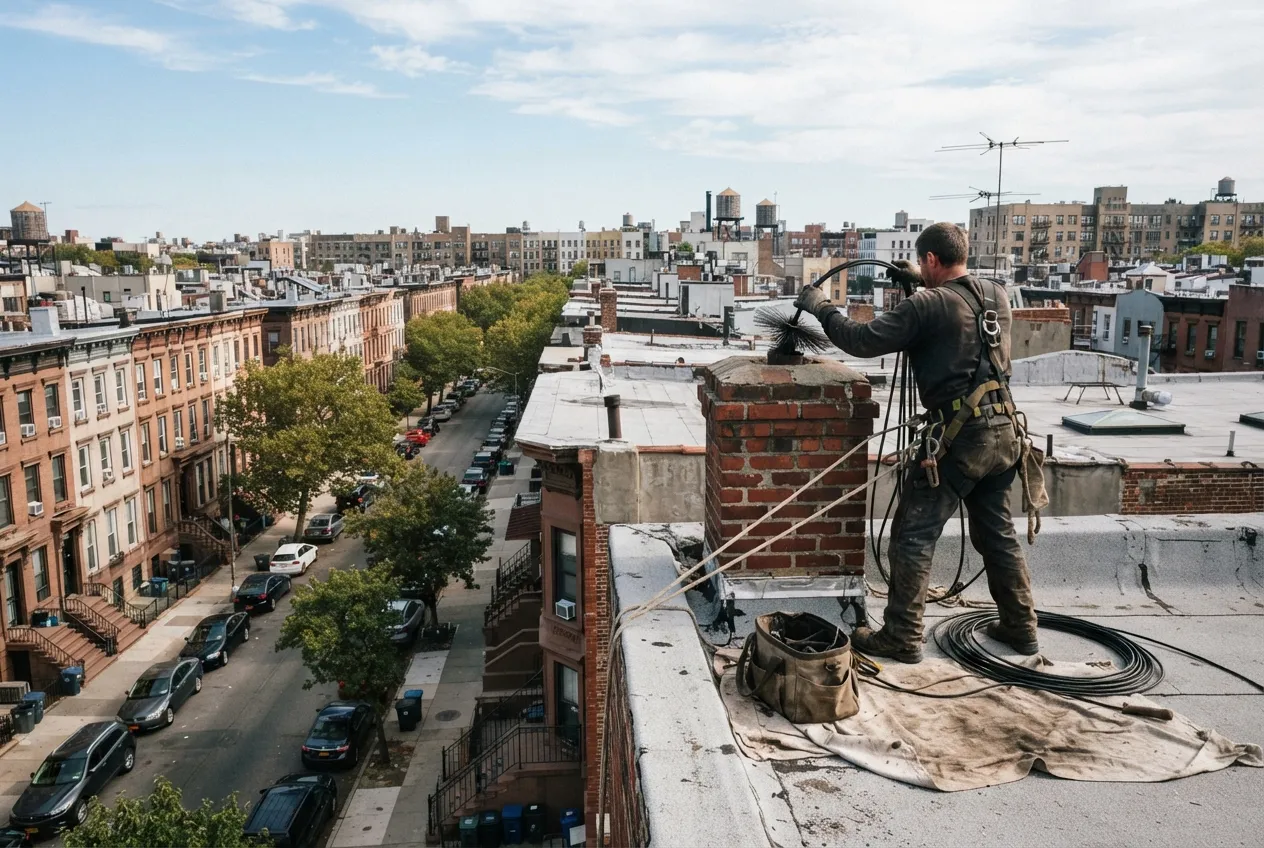
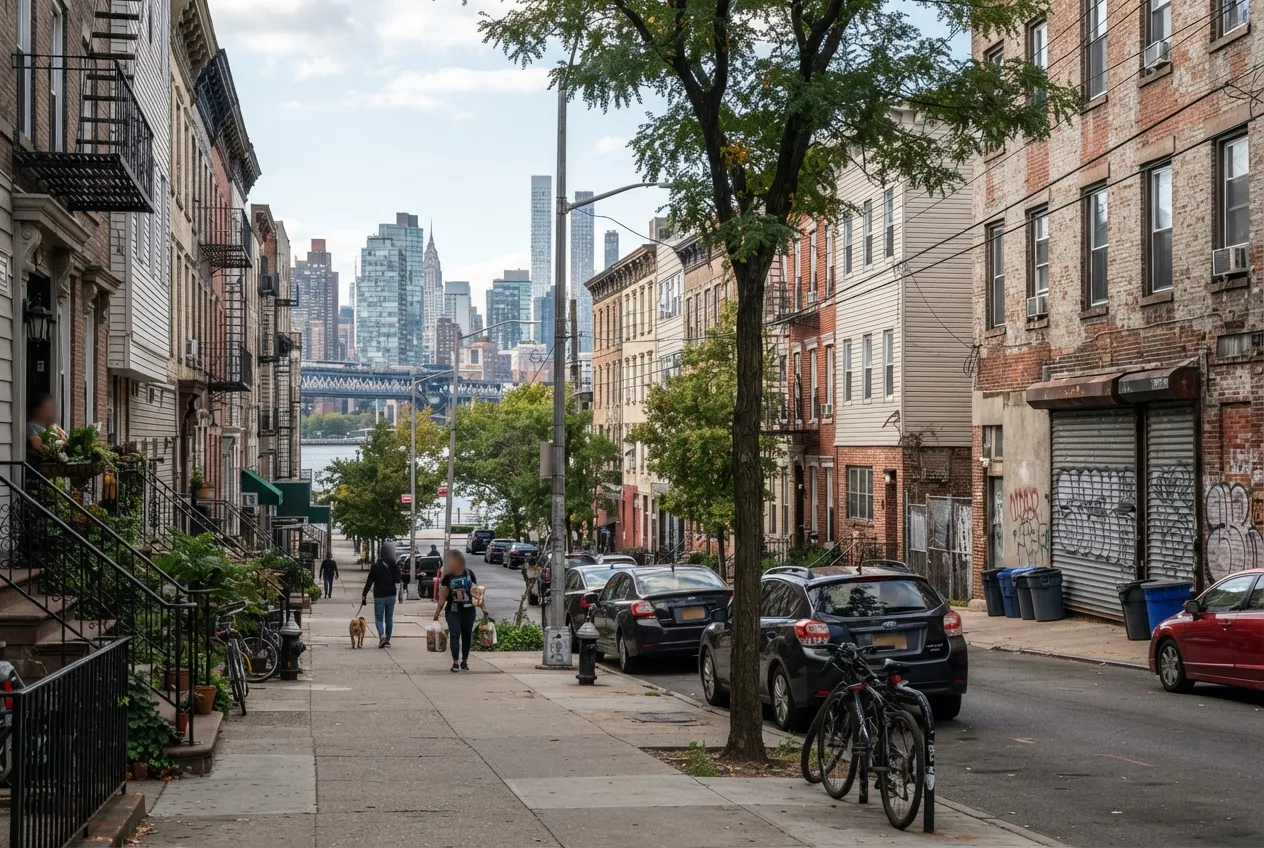
Williamsburg has a wide mix of housing: brick rowhouses, brownstones, pre-war apartment buildings, older frame houses, and newer construction. Many of these buildings still depend on masonry chimneys that vent a boiler, a water heater, or a working fireplace. A chimney inspection tells you whether that flue is structurally sound, clear of blockages, and suited to the appliance connected to it. RoyalFlue Chimney Services is based in Greenpoint, about a mile north of Williamsburg, so our certified technicians are close by for annual checks, pre-sale evaluations, and inspections after a heating system change.
What the yearly inspection standard calls for
The NFPA 211 standard calls for chimneys, fireplaces and vents to be inspected once a year. That applies whether you burn wood a few nights each winter or your chimney quietly vents a gas boiler every day of the heating season.
Chimney professionals use three inspection levels, and the right one depends on what has changed in your home:
- Level 1: for a system that has not changed. We check the readily accessible parts of the chimney, fireplace and connections for soundness, blockages and buildup.
- Level 2: when something changes, such as a new appliance or a switch of fuel, or when the home is being sold. This is a more detailed look that includes accessible areas like attics and basements and a camera inspection of the flue.
- Level 3: when a hidden hazard has to be reached by opening part of the chimney or the building. This is reserved for cases where a Level 2 finding points to a problem that cannot be seen otherwise.
What we look for in Williamsburg homes
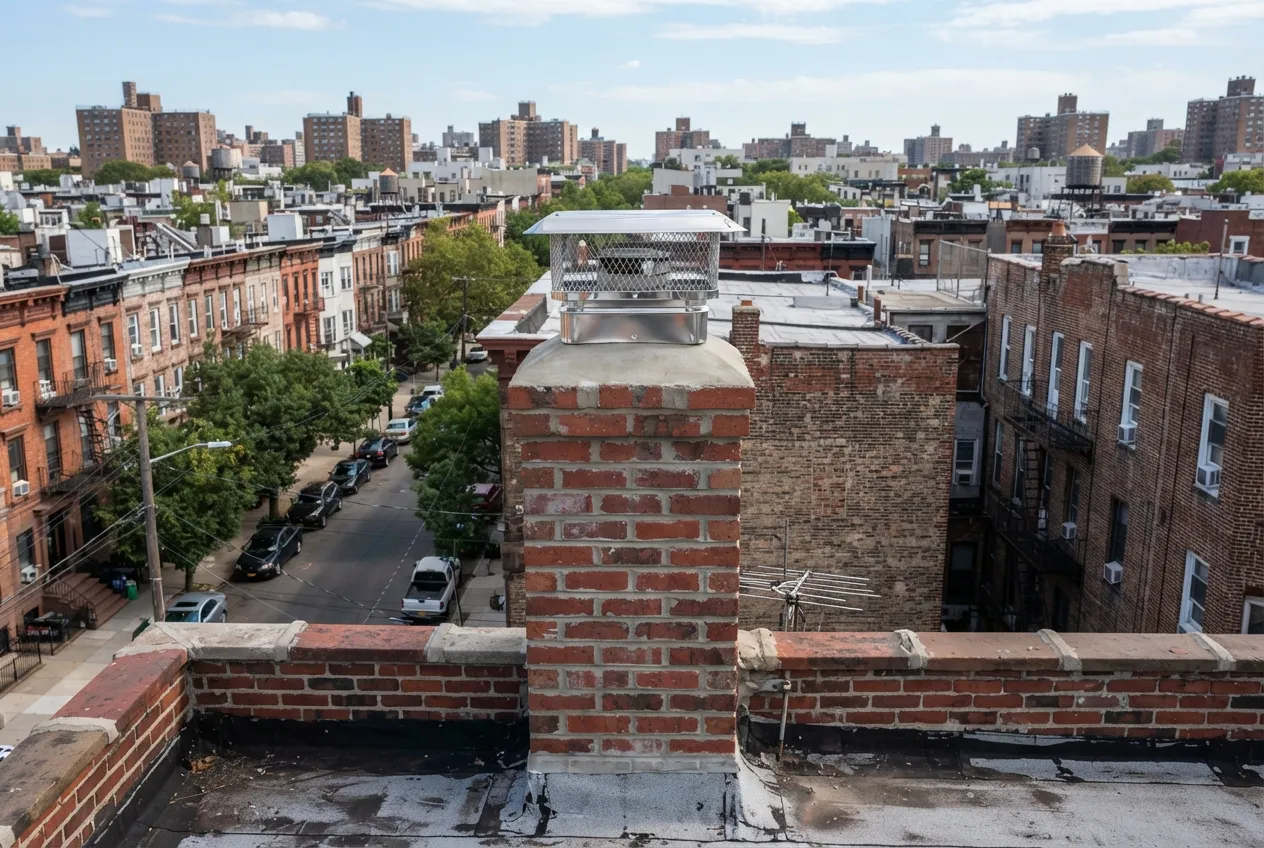
Older Brooklyn masonry tends to show its age in predictable places. Many Williamsburg rowhouses and pre-war buildings have shared walls, tall interior flues, and chimneys that have served several different heating systems over the decades. During an inspection we pay close attention to:
- Cracked, missing or deteriorated flue tiles and liners
- Mortar joints and brickwork at the crown and above the roofline
- Signs of moisture, staining or spalling brick inside and outside
- Soot, creosote or debris buildup, and nesting or other blockages
- The connection between the boiler or water heater and the chimney
- Whether the flue size and liner match the appliance it serves
Oil-to-gas conversions and chimney liners
When a New York City building converts its boiler from oil to gas, the chimney has to be evaluated as part of the work. A new liner is often needed, because gas exhaust produces acidic condensate that can corrode an unlined or poorly lined masonry flue over time.
If your Williamsburg building has converted or is planning to, a Level 2 inspection gives you and your heating contractor a clear picture of the flue's condition before the new equipment goes in. If a conversion happened in the past and the chimney was never checked afterward, an inspection is a sensible next step.
Time for your annual chimney check?
Timing your inspection around the heat season
New York City's heat season runs from October 1 through May 31, when building owners must keep apartments heated to the city's minimum temperatures. For anyone who owns a multi-family building, a chimney problem in January is a problem for every tenant.
Scheduling your inspection in late summer or early fall leaves time to handle any repairs before the boiler is running every day. If the season has already started, an inspection is still worth doing. We can tell you what is urgent and what can be planned for warmer months.
What happens after the inspection
After the inspection, we walk you through what we found and explain it in plain terms. You get a clear account of the chimney's condition, photos or camera footage where they help, and our recommendations, whether that is cleaning, a repair, a liner, or simply no action until next year.
To prepare, make sure we can reach the fireplace, the boiler room or basement, and any roof or attic access. If you use a fireplace, let it cool completely for at least a day beforehand.
More services in Williamsburg
- Chimney Sweep in WilliamsburgLocal service & repairs
- Chimney Repair in WilliamsburgLocal service & repairs
- Air Duct Cleaning in WilliamsburgLocal service & repairs
- Chimney Liner Installation in WilliamsburgLocal service & repairs