The short answer
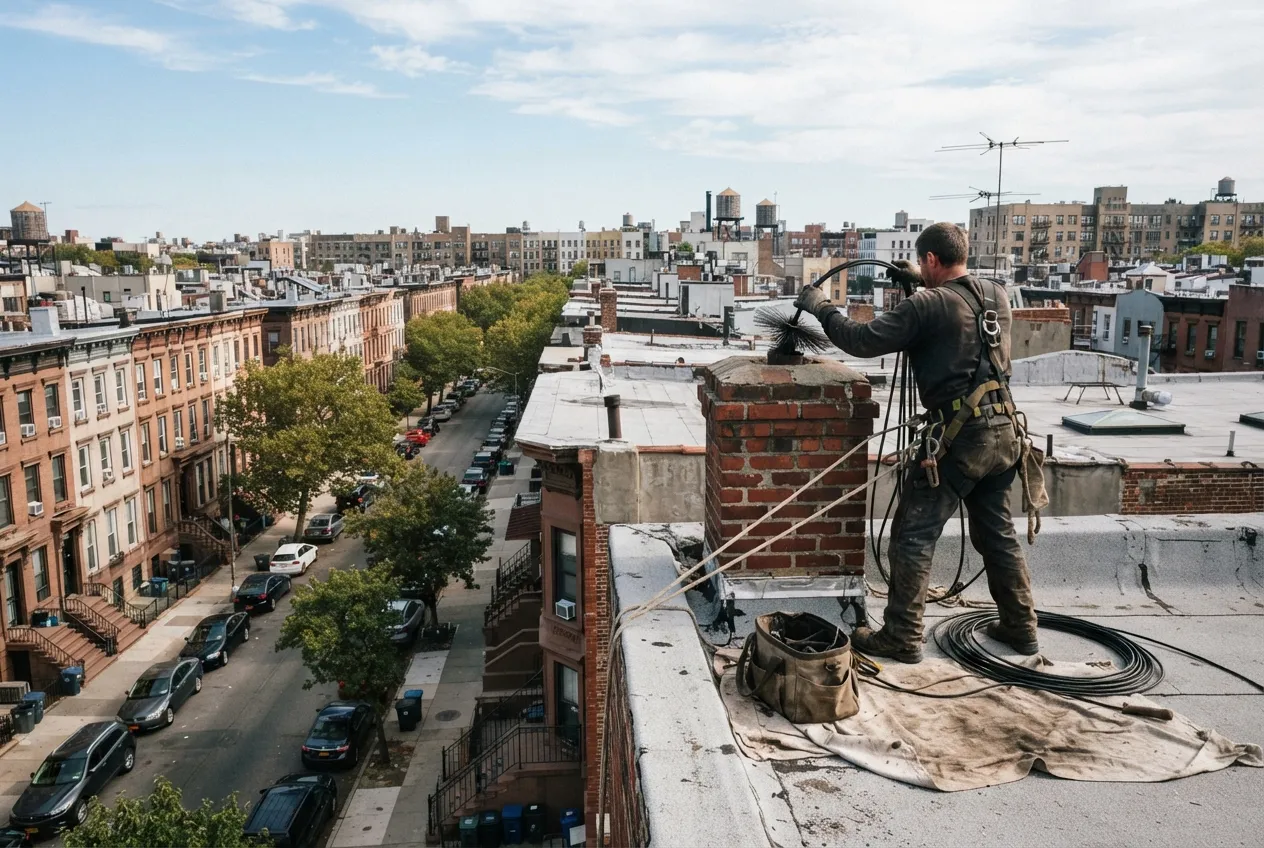
A chimney sweep in Sunnyside removes soot, creosote and blockages from fireplace and appliance flues so they vent safely. RoyalFlue's certified technicians sweep and inspect chimneys in attached homes, multi-family houses and pre-war buildings across 11104, and the NFPA 211 standard calls for an inspection once a year.
RoyalFlue Chimney Services sweeps chimneys, fireplaces and appliance flues for homes and small buildings in Sunnyside, Queens (11104). Our office in Greenpoint, Brooklyn, is about a mile west, so Sunnyside is close to home for our crews. Whether you have a wood-burning fireplace you light a few times each winter or a boiler flue that runs all heating season, a sweep removes the soot, creosote and debris that build up inside and lets a certified technician see what condition the flue is really in.
Chimneys in Sunnyside's Older Housing
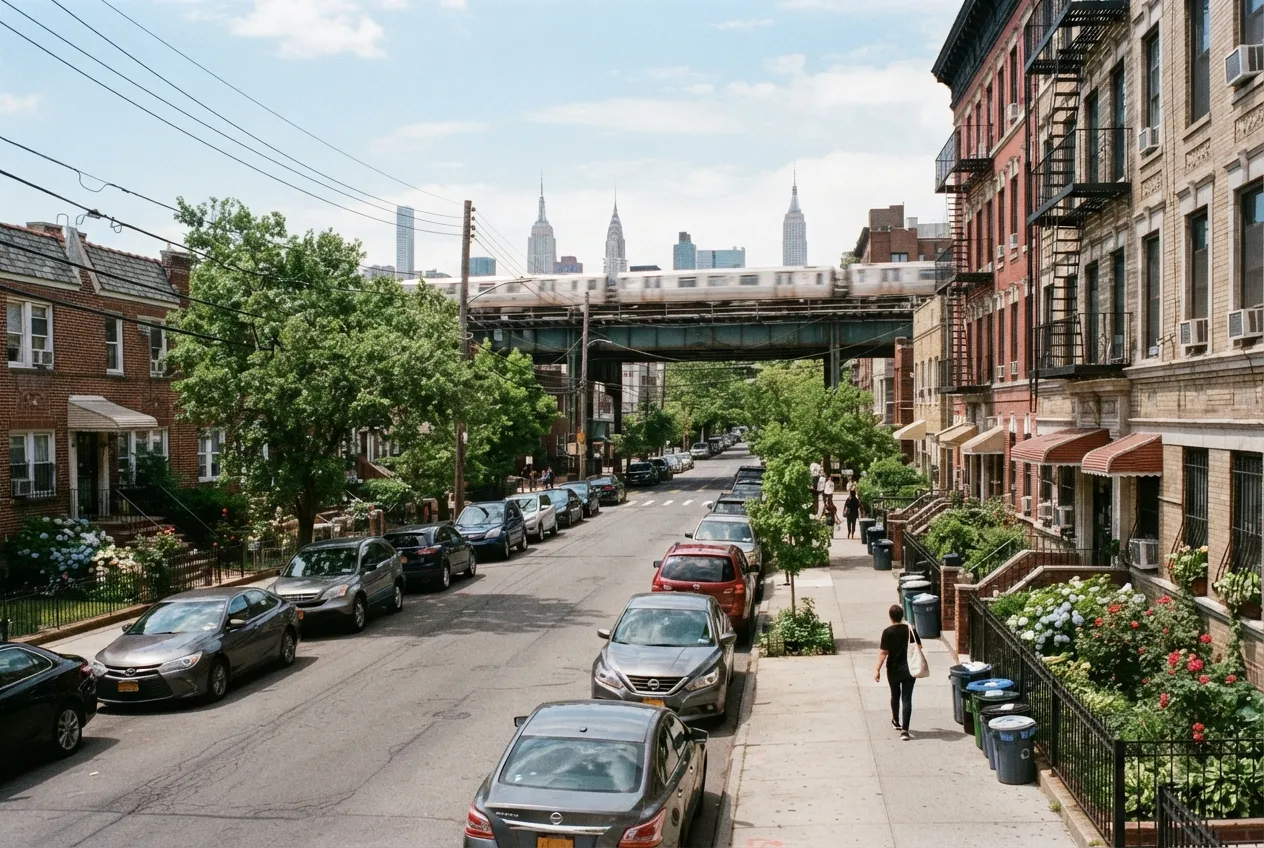
Much of Sunnyside's housing is older: attached rowhouses, two- and three-family homes, garden-style apartment buildings and pre-war walk-ups. Many of these chimneys are masonry flues that have served several generations of heating equipment, from coal to oil to gas, and some fireplaces sat unused for years before a new owner decided to light them again.
That history matters. An older flue can hold layers of soot, loose mortar, fallen brick, old nesting material or debris dropped from the top. In attached homes a chimney may sit close to a neighbor's wall, so a blockage or crack is not something to guess about. A sweep clears the flue, and the inspection that comes with it tells you whether it is fit to use.
What Our Chimney Sweep Includes
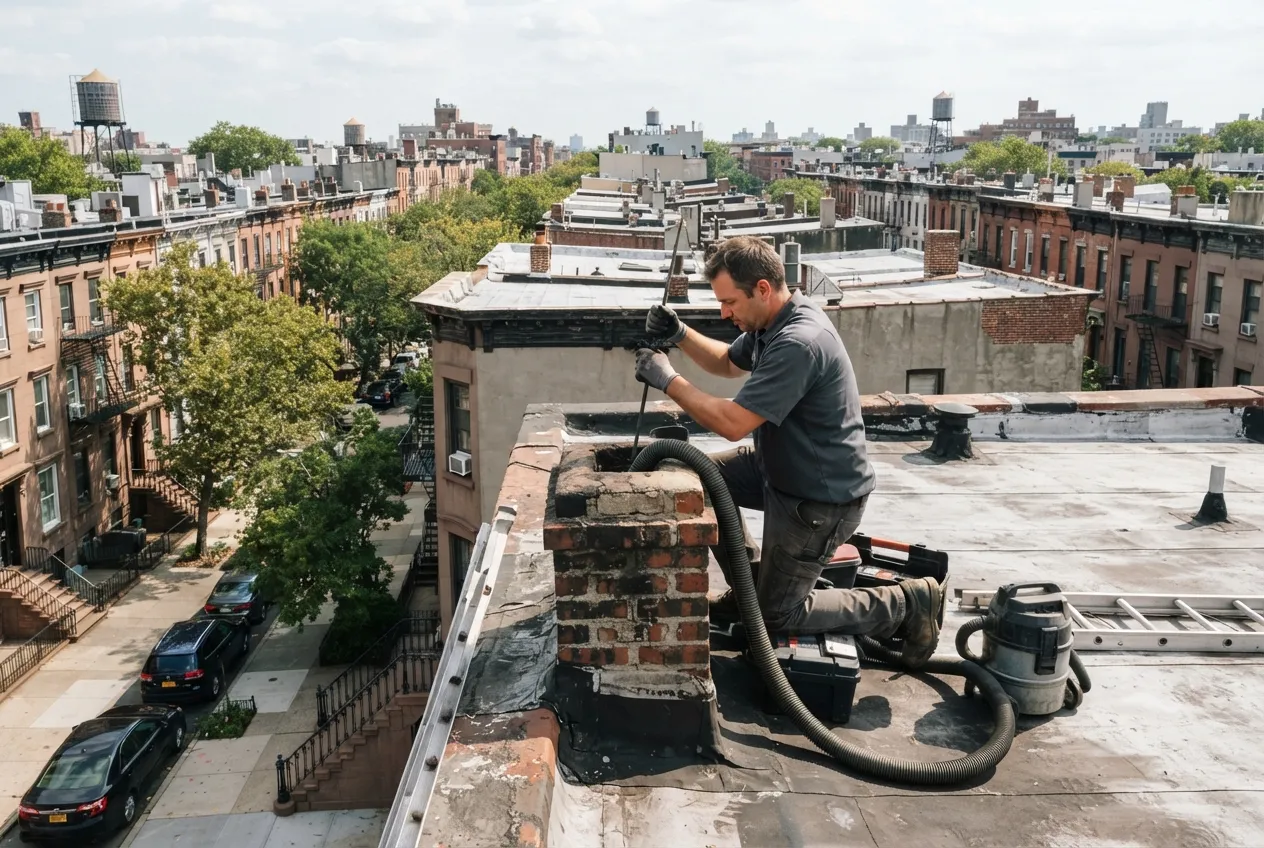
Every visit is set up to keep your home clean and to leave you with a clear picture of the chimney's condition. A typical sweep covers:
- Protecting floors and furniture around the fireplace or appliance before work starts
- Brushing the flue and removing soot and creosote with equipment sized to your liner or masonry
- Clearing the smoke chamber, smoke shelf and firebox on fireplaces
- Removing nests, leaves and other debris that restrict draft
- Checking the damper, cap and crown for damage or gaps that let in water or animals
- Looking over boiler or furnace connector pipes for rust, separation or poor fit
- Explaining what we found, with photos when they help, and what, if anything, needs attention
Yearly Inspections and the Three Levels
The NFPA 211 standard calls for chimneys, fireplaces and vents to be inspected once a year, even if you rarely use them. We pair the inspection with the sweep so you get both in one visit.
Chimney professionals use three inspection levels. A Level 1 inspection fits when nothing about your system has changed. A Level 2 inspection is used when the system changes, such as a new appliance or a switch of fuel, or when the home is being sold, which is common in Sunnyside's busy market for multi-family houses. A Level 3 inspection is only for cases where a hidden hazard has to be reached by opening part of the chimney or building. We will tell you which level fits your situation and why.
Time for your annual chimney check?
Oil-to-Gas Conversions and Heating Season
Many Sunnyside buildings have moved from oil to gas heat, and others are planning to. When a New York City building converts its boiler from oil to gas, the chimney has to be evaluated as part of the work. A new liner is often needed, because gas exhaust produces acidic condensate that can corrode a masonry flue that was built for oil. A sweep removes years of oil soot so the flue can be properly assessed before a liner decision is made.
Timing also matters. New York City's heat season runs from October 1 through May 31, and building owners must keep apartments heated to the city's minimum temperatures during that period. If you own a multi-family house or a small apartment building, scheduling your sweep and inspection before October makes it less likely that a venting problem takes your boiler offline when tenants need heat.
Scheduling a Sweep in Sunnyside and Nearby
Before we arrive, let the fireplace or appliance cool completely; a fireplace should go unused for at least a day. Clear a path to the fireplace or boiler room and, if possible, let us know whether there is roof access. For buildings with tenants, it helps to tell residents when we will be working.
Along with Sunnyside, our crews regularly work in Long Island City, Hunters Point, Greenpoint, East Williamsburg and Williamsburg, so we are familiar with the mix of older masonry chimneys and converted heating systems found across this part of Queens and Brooklyn.
More services in Sunnyside
- Chimney Inspection in SunnysideLocal service & repairs
- Chimney Repair in SunnysideLocal service & repairs
- Air Duct Cleaning in SunnysideLocal service & repairs
- Chimney Liner Installation in SunnysideLocal service & repairs