The short answer
A Gramercy chimney usually needs a new liner when the old clay tiles are cracked, when the flue was never lined, or when a boiler is converted from oil to gas. RoyalFlue's certified technicians inspect the flue, size a liner to the appliance it serves, and install it so exhaust leaves the building safely.
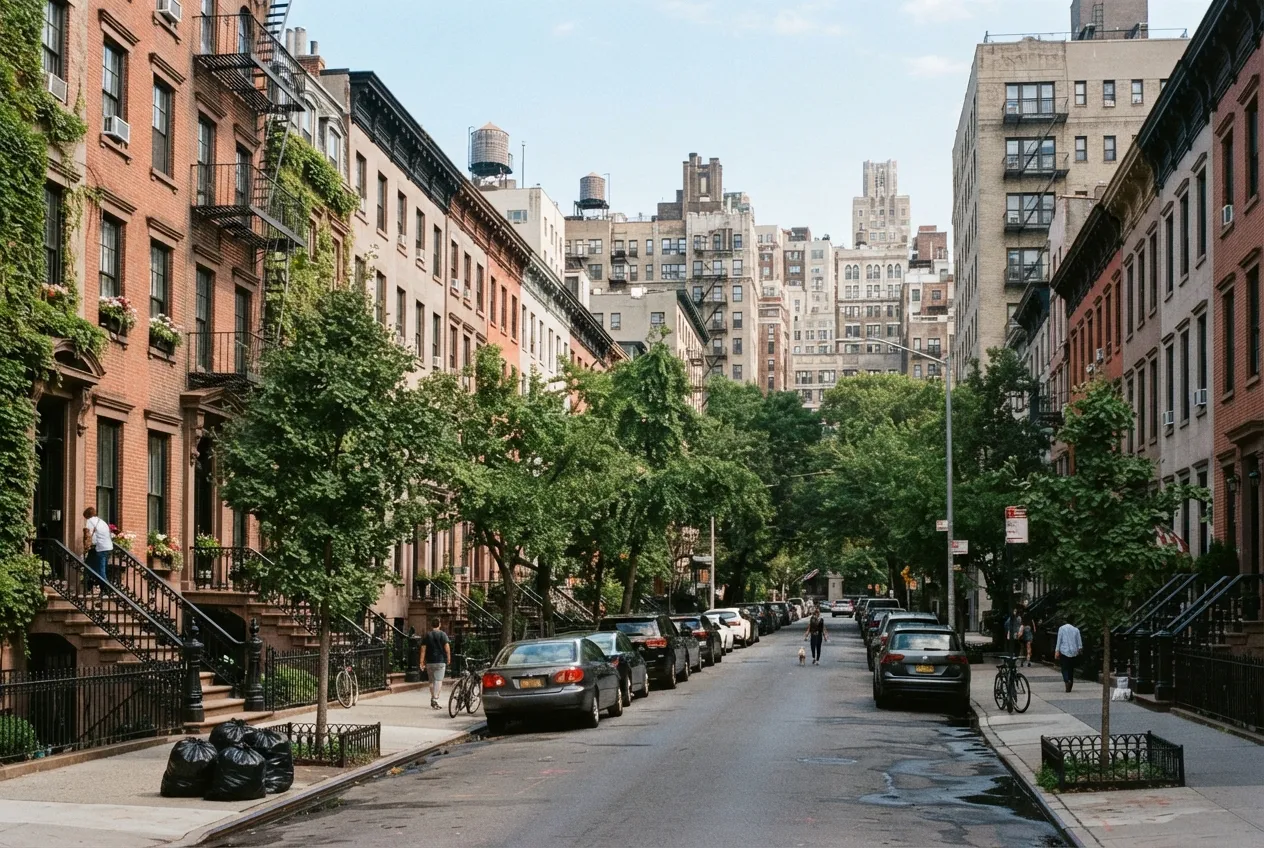
Many Gramercy brownstones, rowhouses and pre-war apartment buildings still vent through masonry flues built long before today's gas boilers, water heaters and high-efficiency appliances. A chimney liner is the protective channel inside that flue. It carries exhaust safely out of the building and keeps heat, moisture and acidic byproducts away from the brick and mortar. When a liner is cracked, missing or the wrong size for the appliance it serves, the chimney can't do its job well. RoyalFlue Chimney Services installs chimney liners for homes and buildings in Gramercy and the 10010 ZIP code. Our technicians come from our office in Greenpoint, Brooklyn, about 2 miles away.
Why Gramercy Chimneys Often Need a New Liner
Older Manhattan masonry chimneys were typically built with clay tile liners or with no liner at all. Over decades, freeze-thaw cycles, settling and heat stress can crack tiles and erode mortar joints. Gaps in a flue let exhaust and heat reach the surrounding masonry and, in some cases, the building's framing.
Fuel conversions are another common reason. When a New York City building converts its boiler from oil to gas, the chimney has to be evaluated as part of the work. A new liner is often needed because gas exhaust produces acidic condensate that can corrode a masonry flue. A flue that handled oil for years may not hold up to gas without one.
Signs Your Flue May Need a Liner
Some problems are visible from inside the home. Others only show up during an inspection. Call us to take a look if you notice any of the following:
- Pieces of clay tile or flaky masonry collecting at the base of the flue or in the boiler connection
- White staining, damp patches or peeling paint on walls next to the chimney
- A boiler or water heater that has been converted from oil to gas, or replaced with a new model
- Draft problems, such as smoke or fumes spilling back into a room or basement
- An inspection report that notes cracked tiles, open joints or an unlined flue
How We Install a Chimney Liner
We start with an inspection. The NFPA 211 standard describes a Level 2 inspection when a system changes, such as a new appliance or a switch of fuel, or when a home is sold. That review usually includes a camera scan of the flue so we can see its condition from top to bottom. If a hidden hazard has to be reached by opening part of the chimney or building, a Level 3 inspection may be needed.
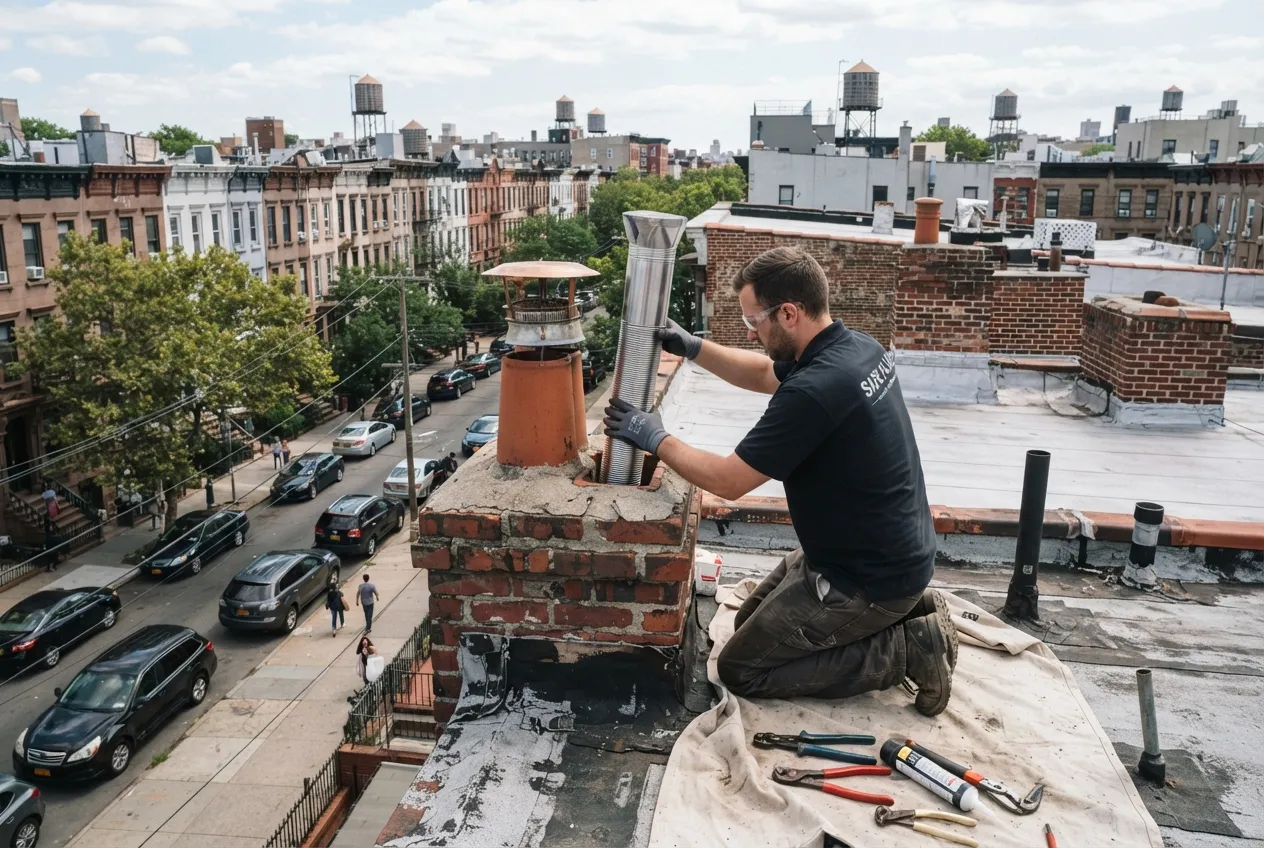
Next, we size the liner to the appliance it will serve. A liner that is too large can let exhaust cool and condense. One that is too small can restrict draft. We match the liner material and diameter to the fuel and the equipment. We then install it through the flue, connect it at the appliance end, and finish the top with a proper termination and cap.
In rowhouses and apartment buildings, roof access and work in shared spaces take planning. We coordinate with owners, building managers and the boiler contractor, so the liner work fits the rest of the project.
Time for your annual chimney check?
Planning Around Heat Season
New York City's heat season runs from October 1 through May 31. During that time, building owners must keep apartments heated to the city's minimum temperatures. Liner work usually means shutting down the appliance it serves, so timing matters for multi-unit buildings.
When possible, we recommend scheduling liner installation and oil-to-gas conversions outside heat season. If a problem turns up in winter, we can talk through how to keep downtime short. After installation, plan on a yearly inspection, which NFPA 211 calls for on chimneys, fireplaces and vents.
Serving Gramercy and Nearby Neighborhoods
Along with Gramercy, we install chimney liners in Stuyvesant Town, Peter Cooper Village, Murray Hill, Kips Bay and the East Village. These areas share much of the same older housing stock, from brownstones and rowhouses to pre-war apartment buildings. Many of them face the same flue questions when boilers are replaced or converted.
More services in Gramercy
- Chimney Sweep in GramercyLocal service & repairs
- Chimney Inspection in GramercyLocal service & repairs
- Chimney Repair in GramercyLocal service & repairs
- Air Duct Cleaning in GramercyLocal service & repairs