The short answer
Yes, RoyalFlue serves the Lower East Side (ZIP 10002) from our Greenpoint office about 2 miles away. We handle chimney sweeping, inspections, repairs, liners, caps, waterproofing and rebuilding, plus dryer vent and air duct cleaning for the neighborhood's walk-ups, pre-war buildings and rowhouses.
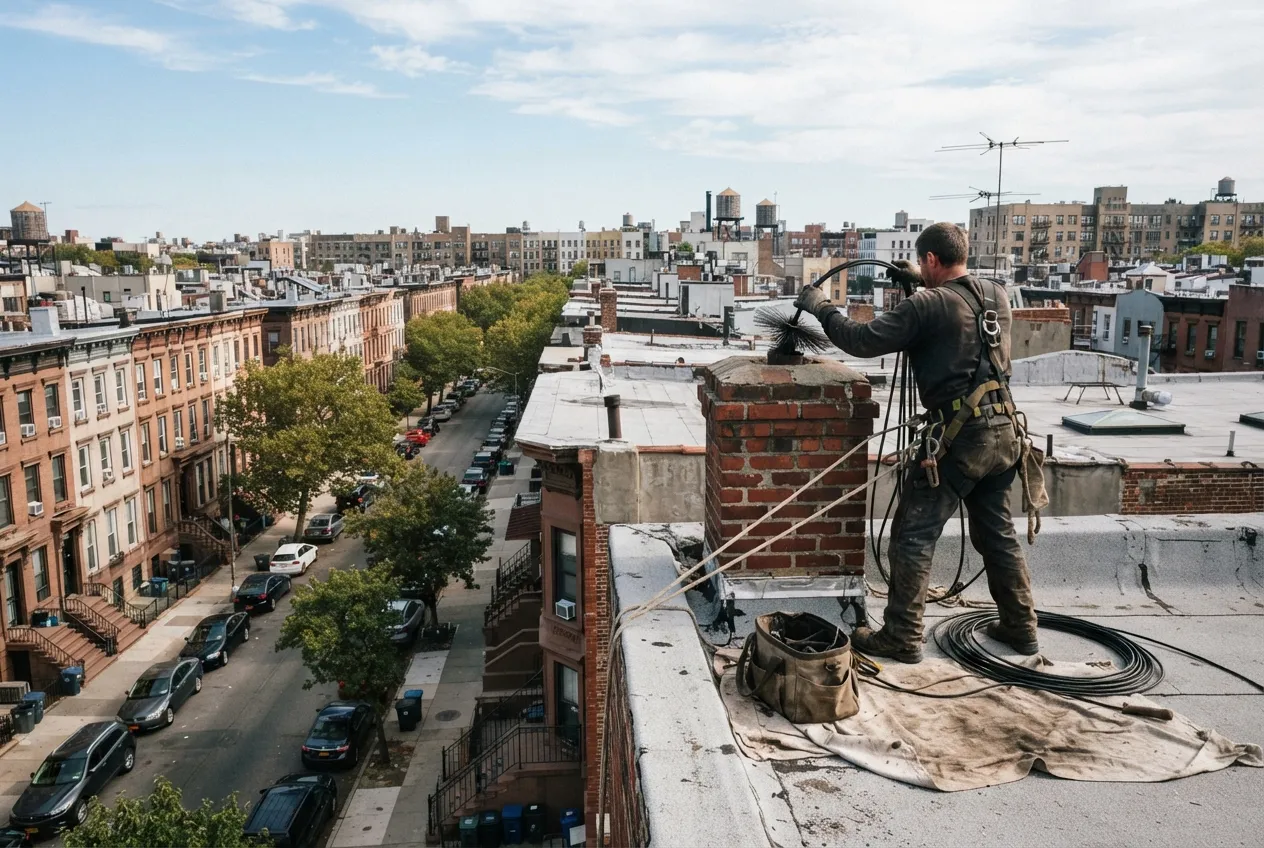
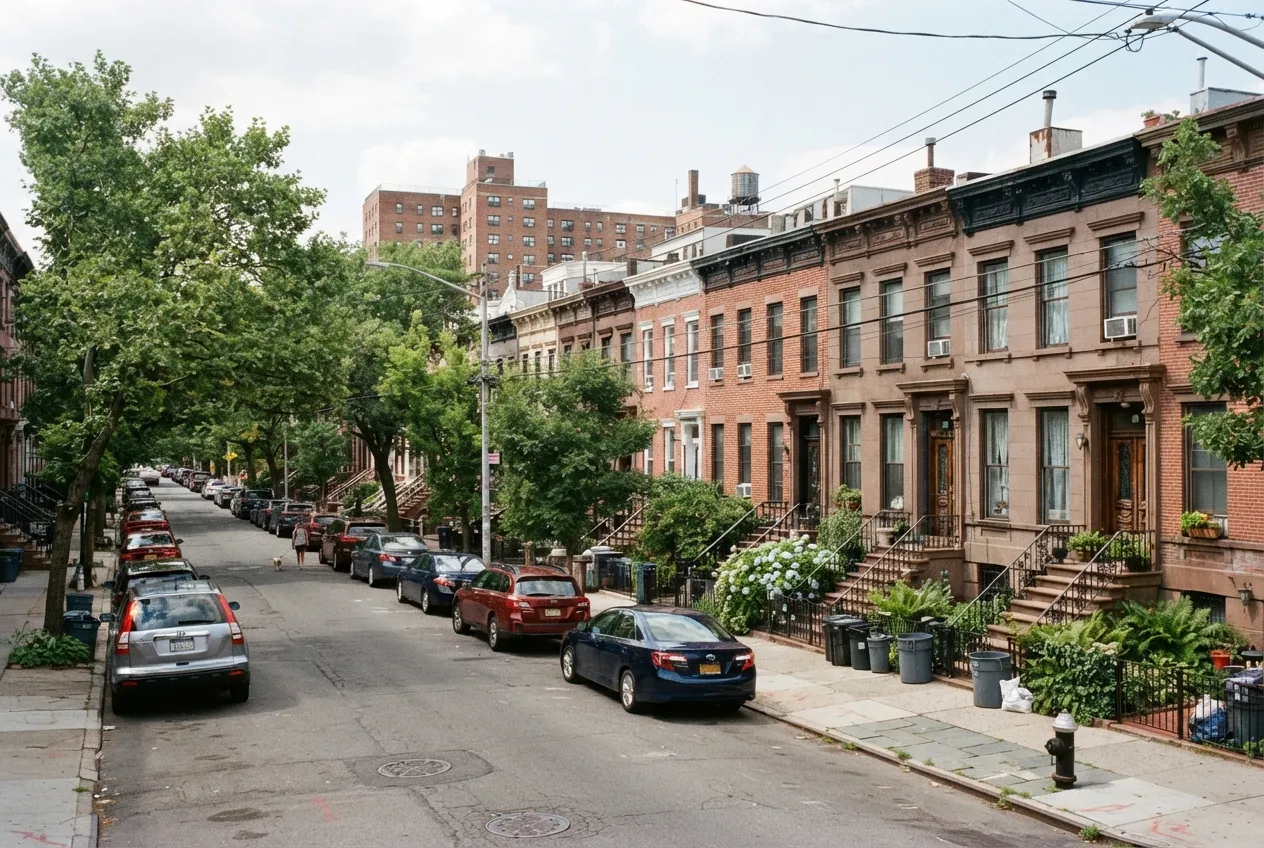
RoyalFlue Chimney Services works throughout the Lower East Side, Manhattan, in ZIP code 10002. Our office in Greenpoint, Brooklyn, is about 2 miles northeast of the neighborhood, so reaching you is a short trip. Most homes on the Lower East Side are in older walk-up apartment buildings, pre-war mid-rises and a scattering of rowhouses, with newer apartment buildings mixed in. Each type has its own combination of masonry chimneys, boiler flues, fireplaces, dryer vents and ductwork. Our certified technicians clean, inspect and repair all of them, and we explain what we find in plain terms before any work begins.
What Lower East Side Buildings Usually Need
Many buildings in the neighborhood went up long before modern gas boilers and in-unit clothes dryers. In older walk-ups, a masonry flue often serves a central boiler, and some apartments still have a working or decorative fireplace. Newer buildings rely more on metal vents, long dryer exhaust runs and forced-air ductwork. We look at what your building actually has before recommending anything.
These are the services we provide on the Lower East Side:
- Chimney sweep for fireplaces and boiler flues
- Chimney inspection at the level your situation calls for
- Chimney repair for cracked crowns, loose bricks and failing mortar
- Chimney liner installation, including liners for gas conversions
- Chimney cap and chase cover installation
- Chimney waterproofing for exposed masonry
- Fireplace and damper repair
- Chimney rebuilding when masonry is too far gone to patch
- Dryer vent cleaning
- Air duct cleaning
Annual Inspections and the Heat Season
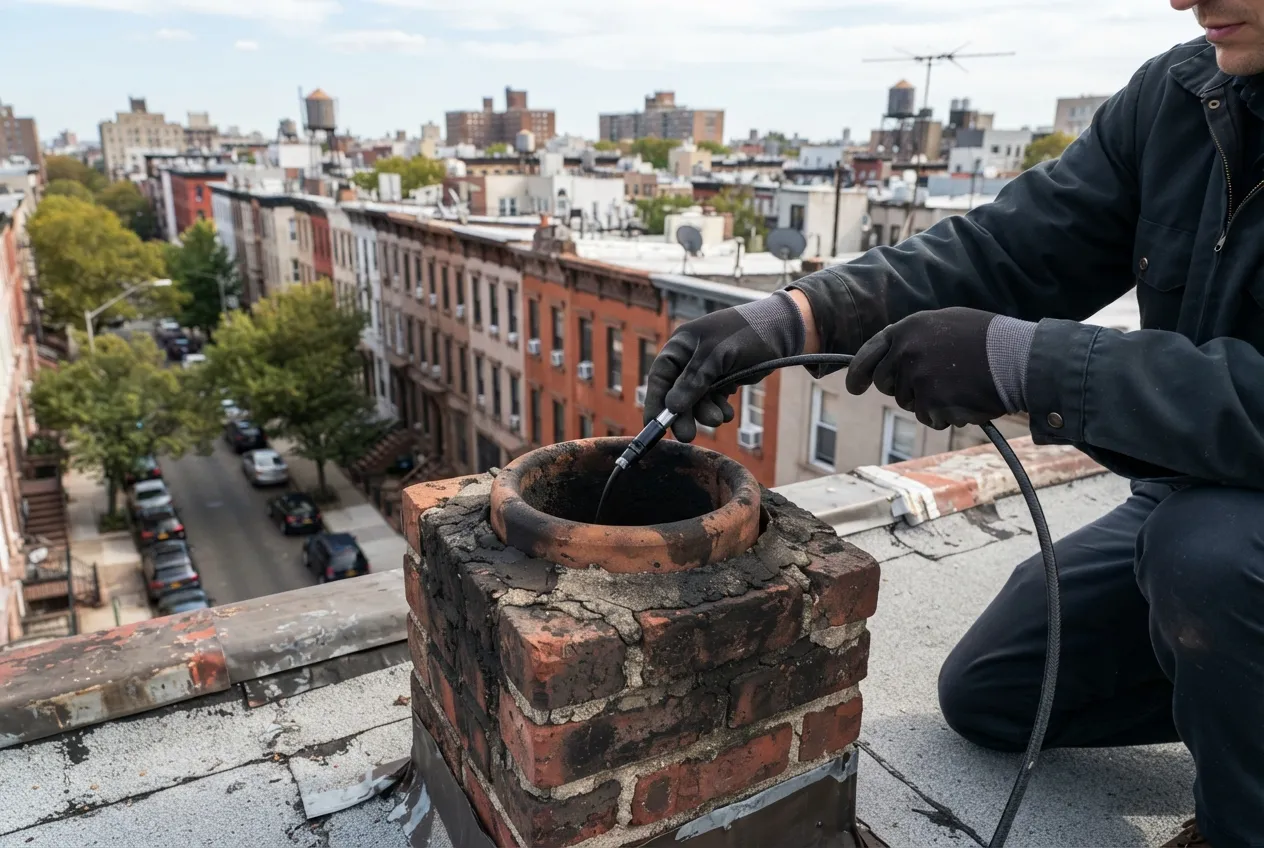
The NFPA 211 standard calls for chimneys, fireplaces and vents to be inspected once a year. A Level 1 inspection fits when nothing about the system has changed. A Level 2 inspection applies when something does change, such as a new appliance or a switch of fuel, or when the home is sold. A Level 3 inspection is used when a hidden hazard can only be reached by opening part of the chimney or building.
New York City's heat season runs from October 1 through May 31, and building owners must keep apartments heated to the city's minimum temperatures during that time. For anyone responsible for a boiler flue, late summer and early fall are the practical window for inspection and sweeping, so any repairs are finished before the heat has to stay on.
Oil-to-Gas Conversions and Chimney Liners
Plenty of older Manhattan buildings have moved, or are planning to move, from oil heat to gas. When a New York City building converts its boiler from oil to gas, the chimney has to be evaluated as part of the work. A new liner is often needed because gas exhaust produces acidic condensate that can corrode a masonry flue.
We inspect the existing flue, check that it is the right size for the new equipment, and install a properly sized liner when one is needed. If the masonry has already deteriorated, we tell you whether repair or partial rebuilding makes more sense.
Time for your annual chimney check?
Weather, Water and Old Masonry
Manhattan winters bring repeated freeze-thaw cycles, and coastal storms push wind-driven rain against rooftop chimneys. Water that gets into brick and mortar freezes, expands and slowly breaks the masonry apart. Humid summers keep damp flues from drying out, which can lead to odors and rusted dampers.
A cap keeps rain, birds and debris out of the flue, and a chase cover protects framed chimneys. Breathable waterproofing helps exposed brick shed water. When crowns crack or bricks spall, we repair them before small problems become a rebuild.
Dryer Vents and Air Ducts in Apartments
According to the U.S. Fire Administration, failure to clean is the leading factor contributing to clothes dryer fires in homes. In apartments, dryer vents often run long distances with several turns before they reach the outside, so lint builds up faster. If clothes take longer to dry or the laundry area feels hot, the vent should be checked.
For air ducts, we follow the U.S. EPA's guidance: cleaning makes sense when there is substantial visible mold growth, vermin, or excessive dust and debris. The EPA also notes that duct cleaning has not been shown to prevent health problems, suggests researching the process before responding to very cheap advertised offers, and urges care with chemical treatments. We show you what is in your ducts and tell you honestly whether cleaning is worth doing.
Nearby Neighborhoods We Serve
Along with the Lower East Side, we work in the East Village, Stuyvesant Town, Peter Cooper Village and Gramercy in Manhattan, and in Williamsburg in Brooklyn.
ZIP codes we serve
- 10002