The short answer
If your Kips Bay chimney has a cracked or deteriorated flue, or you are switching to a new boiler, furnace or fuel, you will likely need a new liner. RoyalFlue inspects the full flue first, then installs a stainless steel, cast-in-place or clay tile liner sized to your appliance. For building boilers, we schedule the work around the heat season.
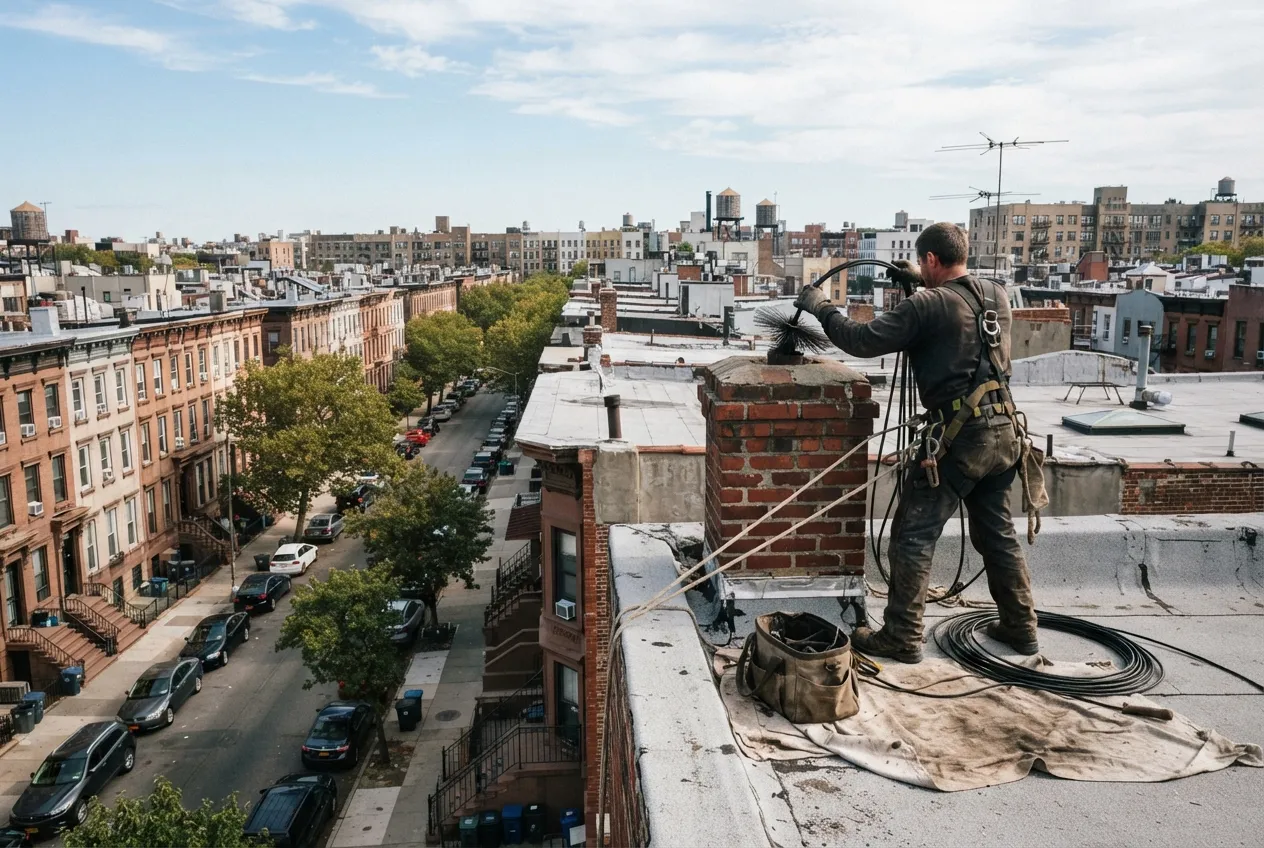
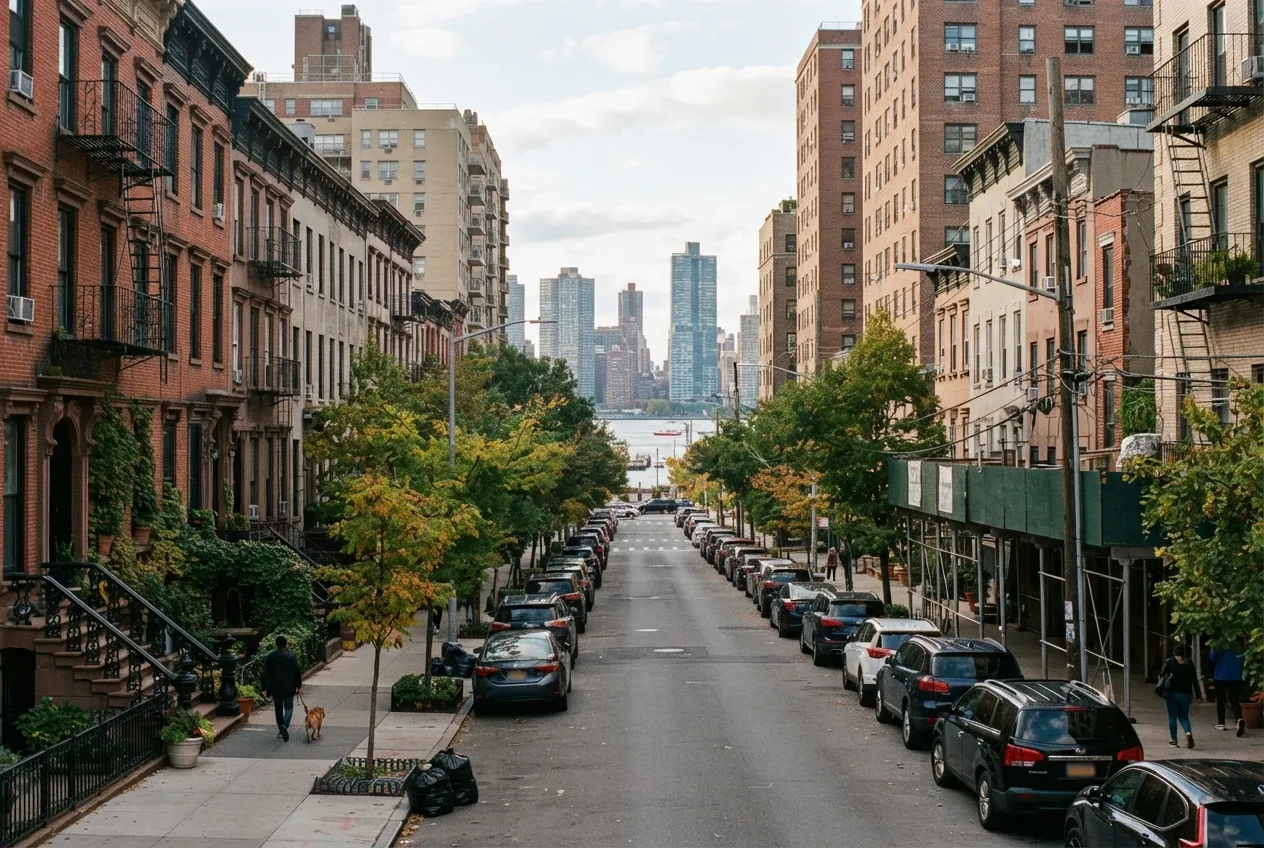
A chimney liner is the inner channel that carries smoke and exhaust out of the building. It also keeps heat and acidic byproducts away from the surrounding brick. In Kips Bay, many chimneys belong to older masonry buildings such as brownstones, rowhouses and pre-war apartment buildings. Their original flues were often built for coal, wood or oil. When those flues crack or erode, or no longer match the appliance venting into them, a new liner is usually the practical fix. RoyalFlue's certified technicians install liners in homes and buildings across Kips Bay. We work from our office in Greenpoint, Brooklyn, about two miles away.
Why Kips Bay Chimneys Need Relining
Older masonry flues in the neighborhood were usually lined with clay tile, and some were never lined at all. Over decades, freeze-thaw cycles, settling and chimney fires crack tiles and open mortar joints. A damaged liner can let heat reach nearby framing. It can also let exhaust, including carbon monoxide, seep into your living space or a neighboring unit. Common signs that a liner needs attention:
- Cracked, shifted or missing flue tiles found during an inspection
- Pieces of tile or mortar falling into the firebox or the boiler cleanout
- Water stains, white staining or crumbling plaster on walls next to the chimney
- A new boiler, furnace or water heater that needs a flue sized to its output
- A fireplace that smokes into the room even with the damper open
Oil-to-Gas Conversions and Your Flue
Many pre-war buildings in Manhattan have switched, or are switching, from oil-fired boilers to gas. When a New York City building converts its boiler from oil to gas, the chimney has to be evaluated as part of the work. A new liner is often needed because gas exhaust produces acidic condensate, which can corrode a masonry flue over time. Newer high-efficiency appliances also produce cooler exhaust. That makes condensation more likely in an oversized, unlined masonry chimney.
We coordinate with the owner or the heating contractor. That way the liner's size and material match the new appliance, and the work fits the conversion schedule.
Liner Options We Install
The right liner depends on the appliance, the fuel and the shape of the existing chimney. After the inspection, we explain which option fits your chimney and why.
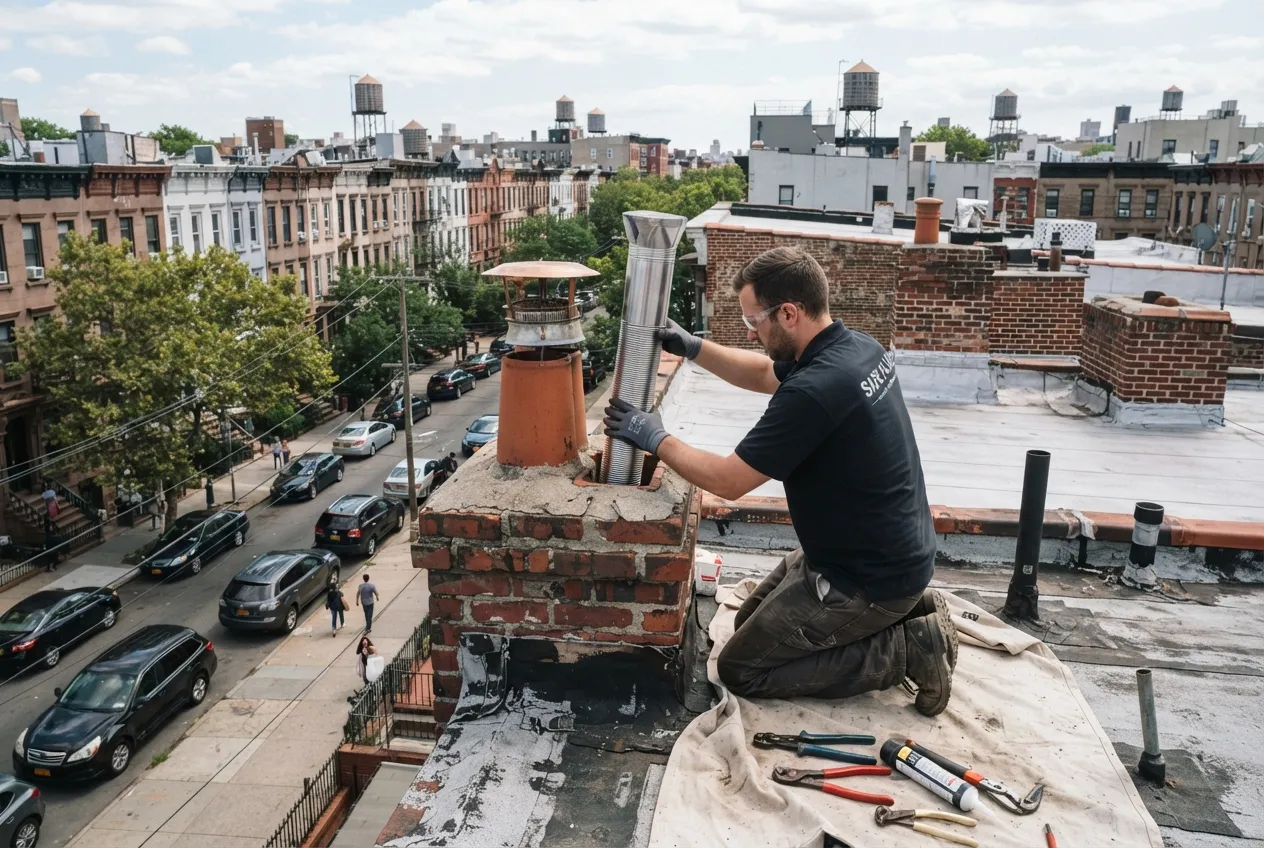
- Stainless steel liners, flexible or rigid: these work with gas, oil and wood appliances and are often the most practical choice for a crooked or offset chimney in an older building
- Cast-in-place liners: a lightweight cement mixture formed inside the existing flue, which can also strengthen deteriorated masonry
- Clay tile liners: a traditional option, usually best when a chimney is being rebuilt or built new
- Liner insulation where needed: it keeps exhaust warm, reduces condensation and helps the chimney draw properly
Time for your annual chimney check?
How the Installation Works
Every job starts with an inspection. The NFPA 211 standard calls for chimneys, fireplaces and vents to be inspected once a year. It also calls for a more detailed Level 2 inspection when the system changes, such as a new appliance or a switch of fuel, or when a home is sold. Relining usually falls into that category. A camera inspection of the full flue shows us exactly what we are working with.
Next, we clean and measure the flue and confirm the size your appliance needs. We protect floors and furnishings, run the liner down from the roof, and connect it to the appliance. Then we fit a top plate and a cap. In attached rowhouses and apartment buildings, we arrange roof access with building management or neighbors before the scheduled day. When the work is done, we check that the chimney draws properly and walk you through what we did.
Timing Around the Heat Season
New York City's heat season runs from October 1 through May 31. During those months, building owners must keep apartments heated to the city's minimum temperatures, so timing matters for a building boiler. Late spring and summer are the easiest months to reline a boiler flue, because the boiler can be shut down without leaving tenants cold. Fireplace liners and smaller appliance flues can often be done any time of year. If a problem turns up mid-winter, we will talk through the safest way to keep the heat on until the repair is done.
Beyond Kips Bay (ZIP codes 10016 and 10168), we also install liners in Murray Hill, Gramercy, Stuyvesant Town, Peter Cooper Village and the East Village.
More services in Kips Bay
- Chimney Sweep in Kips BayLocal service & repairs
- Chimney Inspection in Kips BayLocal service & repairs
- Chimney Repair in Kips BayLocal service & repairs
- Air Duct Cleaning in Kips BayLocal service & repairs