The short answer
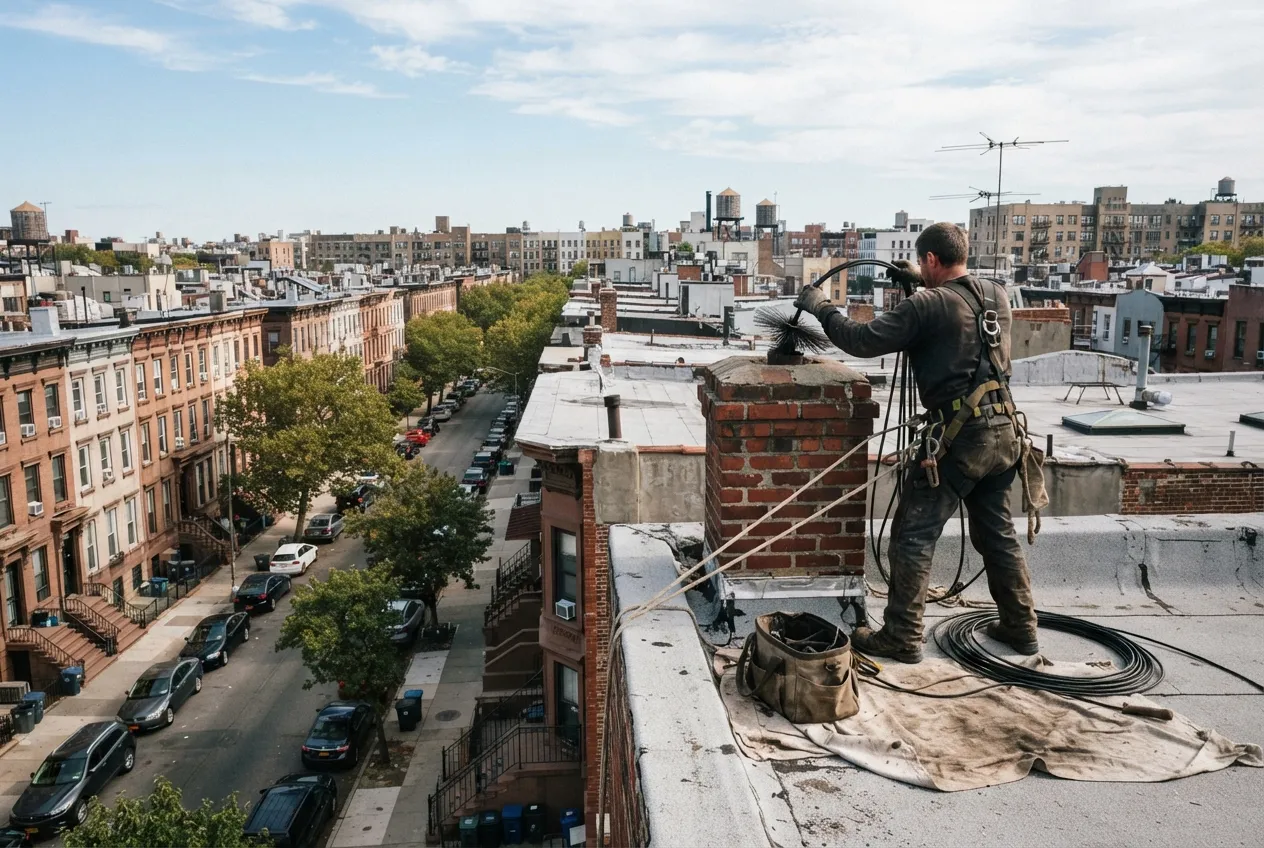
A chimney liner protects your masonry and keeps exhaust moving safely out of the house. In Greenpoint, a new liner is most often needed when a building converts its boiler from oil to gas, or when an inspection finds a cracked, deteriorated or missing flue lining. Our certified technicians inspect the chimney first, then size and install the right liner.
A chimney liner is the protective channel inside your chimney that carries smoke and exhaust gases up and out of the house. In Greenpoint, many chimneys were built long before today's boilers, water heaters and fireplace inserts, and the original clay tile or bare brick flue often isn't a good match for what's connected to it now. RoyalFlue Chimney Services works out of our office at 237 Kent St, so liner work in 11222 is close to home for us. Our certified technicians inspect the flue, explain what they find, and install a liner sized for the appliance it serves.
Why Greenpoint Chimneys Often Need New Liners
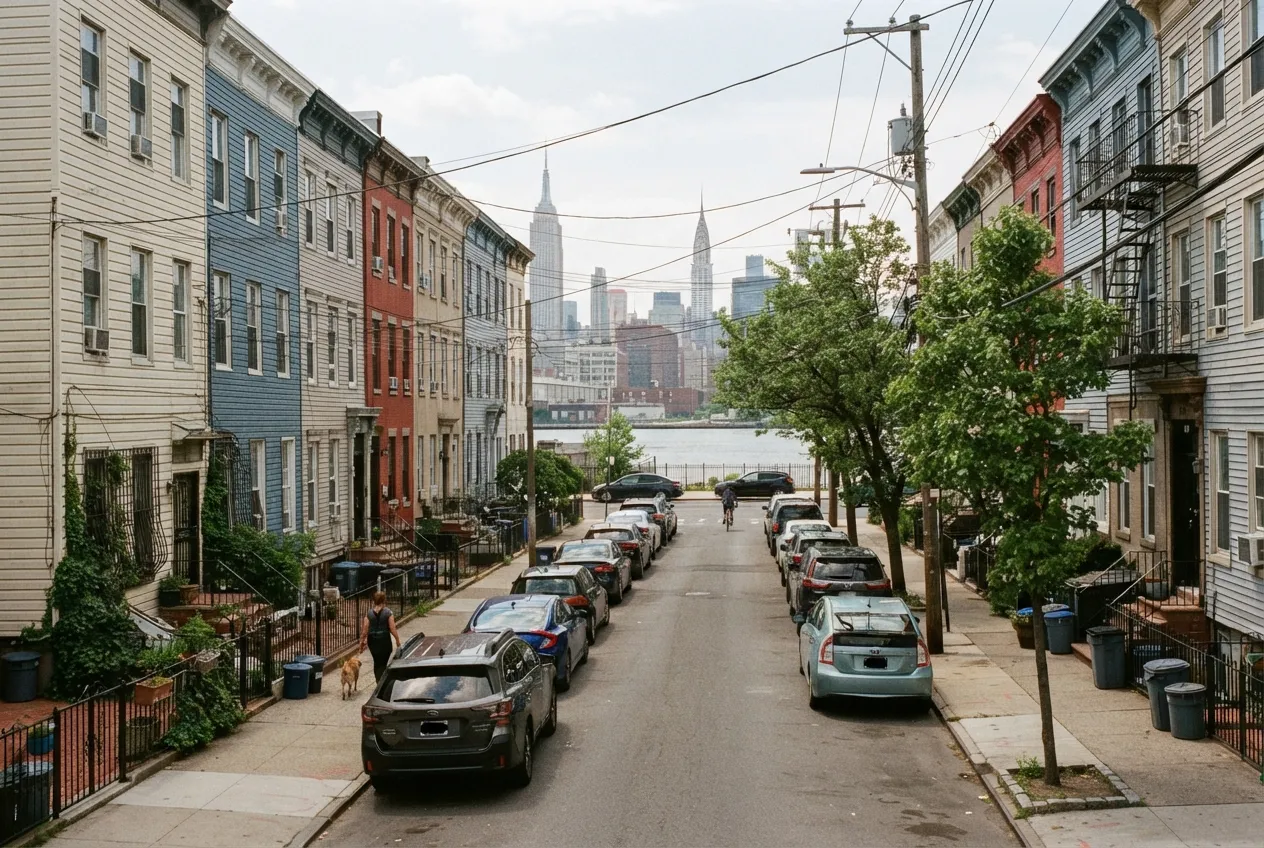
Greenpoint's housing is a mix of rowhouses, brownstones, pre-war apartment buildings and some detached homes. Many of these chimneys have served several generations of heating equipment. A flue that worked for a coal stove or an old oil burner may now be connected to a modern gas boiler or water heater with very different exhaust characteristics.
Over time, freeze-thaw cycles, moisture and the heat of daily use can crack clay tiles, wash out mortar joints and leave gaps where exhaust can reach the brick or seep into the building. Some older chimneys were never lined at all. A properly sized liner closes those gaps and gives exhaust a smooth, continuous path to the top of the chimney.
Oil-to-Gas Conversions and Your Chimney
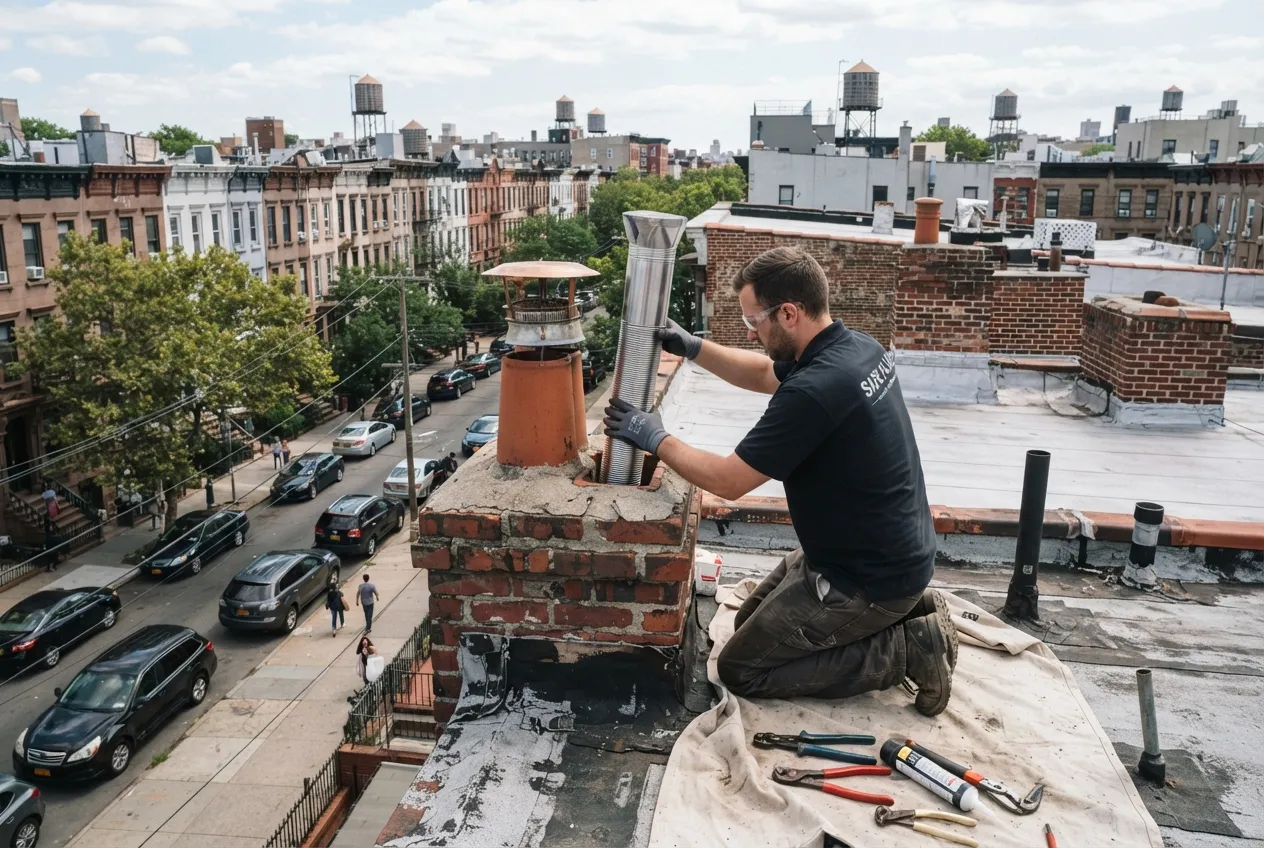
When a New York City building converts its boiler from oil to gas, the chimney has to be evaluated as part of the work. A new liner is often needed because gas exhaust produces acidic condensate that can corrode a masonry flue. Left unlined, that moisture can eat into mortar and brick from the inside, sometimes showing up as stains, spalling or crumbling at the top of the chimney.
If your building in Greenpoint is planning a conversion, it helps to bring us in early. We can inspect the existing flue, confirm whether a liner is needed, and coordinate timing with your heating contractor so the new boiler isn't waiting on the chimney. Because New York City's heat season runs from October 1 through May 31, scheduling this work before fall gives you more room to plan.
How We Approach a Liner Installation
Every job starts with an inspection. The NFPA 211 standard calls for chimneys, fireplaces and vents to be inspected once a year, and it describes a Level 2 inspection for situations like a new appliance, a change of fuel, or the sale of a home. A liner project usually falls into that category, so we look closely at the full length of the flue, often with a camera.
From there, we match the liner to what it will vent. A gas boiler, an oil burner, a wood fireplace and a fireplace insert each have different requirements for liner material and diameter. A liner that is too large or too small can lead to poor draft, condensation problems or exhaust spilling back into the home.
- Inspect the chimney and flue, including the top, crown and connection points
- Measure the flue and confirm the appliance's venting needs
- Recommend a liner type and size suited to the fuel and appliance
- Install the liner with the proper fittings, connections and top termination
- Check draft and walk you through the finished work
Time for your annual chimney check?
Signs Your Flue May Need Attention
Some liner problems are only visible from inside the chimney, but there are warning signs homeowners and building managers can watch for.
- Brick or mortar debris collecting at the base of the chimney or in the boiler connection
- Water stains, peeling paint or dampness on walls next to the chimney
- White staining or crumbling masonry near the top of the chimney
- Smoke or exhaust odors inside the home
- A recent or planned boiler, water heater or fuel change
Serving Greenpoint and Nearby Neighborhoods
Because our office is in Greenpoint, we regularly work on homes and buildings throughout the 11222 ZIP code. We also install chimney liners in nearby Long Island City, Hunters Point, Williamsburg, East Williamsburg and Sunnyside. Whether you own a single rowhouse or manage a pre-war apartment building, we'll explain what your chimney needs in plain terms before any work begins.
More services in Greenpoint
- Chimney Sweep in GreenpointLocal service & repairs
- Chimney Inspection in GreenpointLocal service & repairs
- Chimney Repair in GreenpointLocal service & repairs
- Air Duct Cleaning in GreenpointLocal service & repairs